aug 28, 2022
Starterguide menstruatie ondergoed.
Alles wat je moet weten voor je een wasbare absorberende onderbroek voor je menstruatie kiest/aanschaft.
Als je ongesteld was waren er eerst 2 opties. Maandverbandjes of tampons. In allerlei vormen en maten voor elk wat wils. Maar daar bleef de keuze bij voor het grootste deel van mijn volwassen leven. Gelukkig is daar inmiddels heel wat meer keuze bijgekomen voor iedereen met een menstruatie cyclus.
Tegenover de tampons zijn er nu ook cups te krijgen en tegenover de maandverbandjes is er nu wasbaar menstruatie ondergoed die (bijna) niet te onderscheiden is van regulier ondergoed.
En op deze laatste is mijn oog gevallen. Ik was wel benieuwd naar dit nieuwe duurzame fenomeen waarin steeds meer merken, modellen en keuze online beschikbaar was.
Ik kocht er om te beginnen 1 van bamboozie om te proberen of het wat voor mij was. Sceptisch maar hoopvol. Is het alles wat het beloofde te zijn?
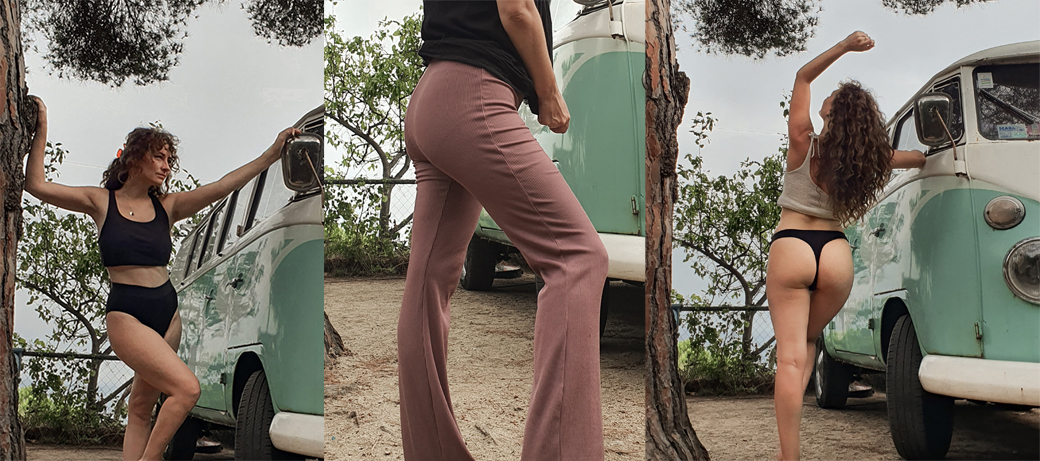
Na een eerste dagje proberen was ik eigenlijk meteen al om. Dit had ik vanaf dag 1 dat ik menstrueerde moeten hebben! Tampons vind ik maar niks (alleen als ik wil zwemmen maar anders liever niet) en cups idemditto. Dus zat er niets anders op dan de licht krakelende plastic matjes met watten op een kleefstrip in mijn onderbroek plakken elke maand. Verschrikkelijk.
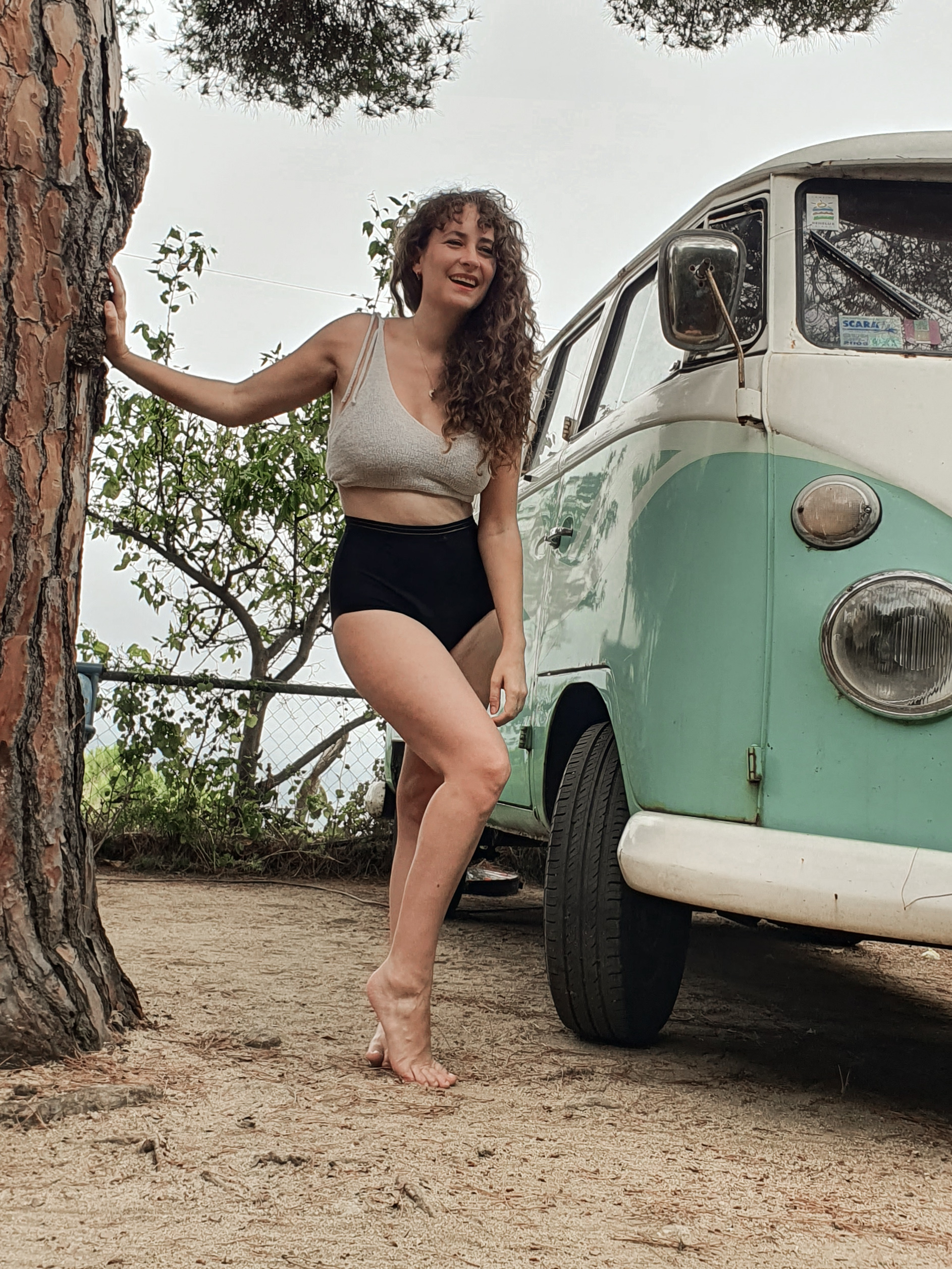
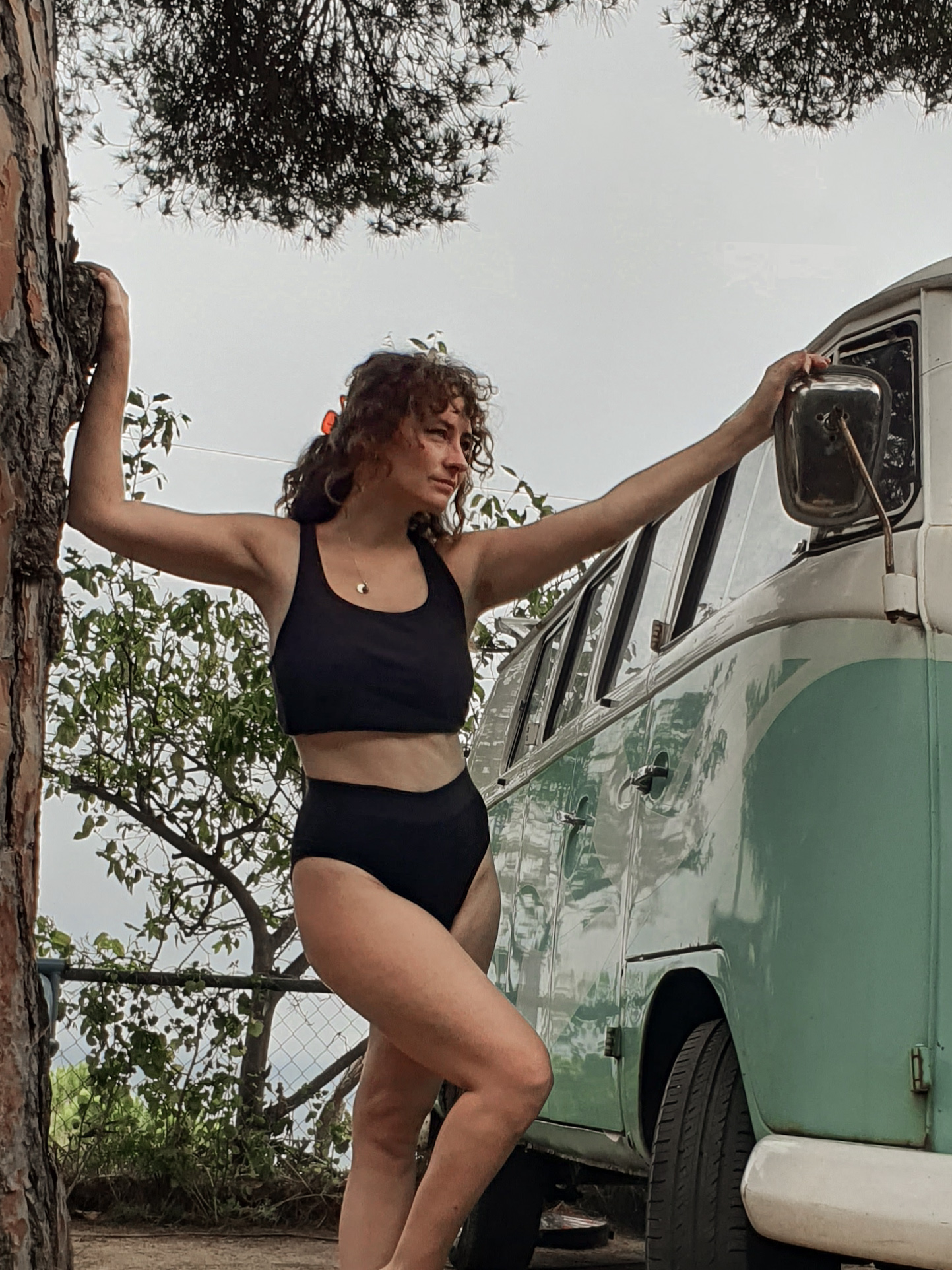
Een menstruatie onderbroek voelt eigenlijk vrijwel als een gewone onderbroek. Ademend, soepel en droog. Lekt niet door gezien het niet kan gaan verschuiven zoals maandverband soms kan doen.
De “geurtjes” die je gewend bent van Maandverband en tampons die na een paar uurtjes broeien tussen je benen niet super chill is is er helemaal niet bij met menstruatie ondergoed wonderlijk genoeg. Dat had ik niet verwacht. Ik denk dat het komt omdat het simpelweg niet gaat “broeien” het ondergoed ademt! (Maar lekt dus niet) Mind is blown.
Wassen was ook super easy en totaal niet zo ikky waar ik vooraf een beetje huiverig voor was. Uitspoelen met koud water en hoppa in de wastrommel en daarna laten uithangen om te drogen.
De onderbroek had maar een nadeel… ik had er maar 1 gekocht. En de tijd die ik nodig had om te wassen en drogen moest ik weer aan het Maandverband. En eigenlijk wilde ik na het eerste gebruik van de onderbroek dat absoluut niet meer.
Wat blijkt!? Menstruatie ondergoed is het perfecte en meest comfortabele en duurzame alternatief op Maandverband/inlegkruisjes en tampons.
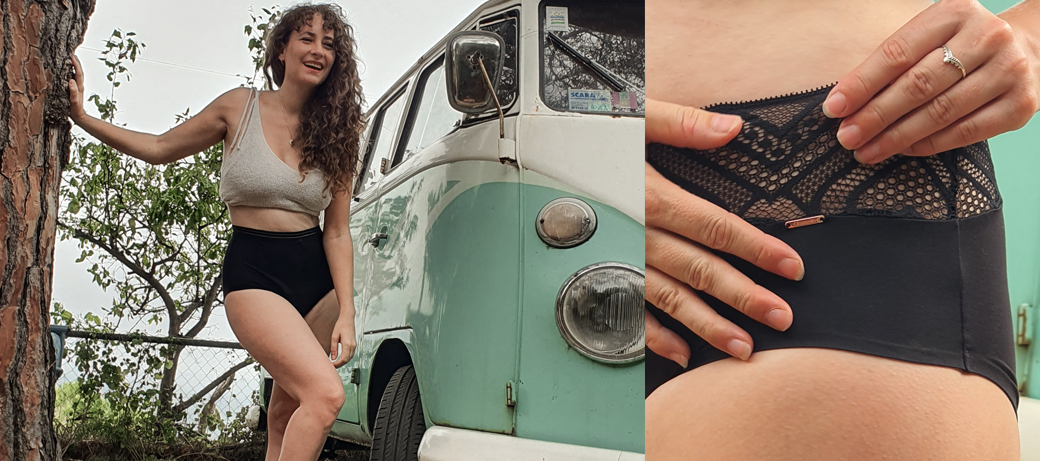
Dus ik wilde er meer aanschaffen… maar toen ik online opzoek ging zag ik door de bomen het bos niet meer… zoveel brands, modellen, materialen en verschillende “gepatenteerde laagjes” systemen om het vocht op te vangen. Dat ik het even niet meer wist.
Ik zocht een plek waarin de verschillende brands vergeleken werden. En die vond ik niet.
Dus bij deze… ik heb voor jullie zoveel mogelijk verschillende menstruatie ondergoed brands getest en naast elkaar gelegd voor de grote vergelijking.
En eerlijk is eerlijk, het is maar goed dat er zoveel diversiteit is. Elke persoon is anders, elke menstruatie is anders en iedereen heeft andere voorkeuren.
Ik help je graag uit te vinden welke menstruatie onderbroekken het beste bij jou passen!
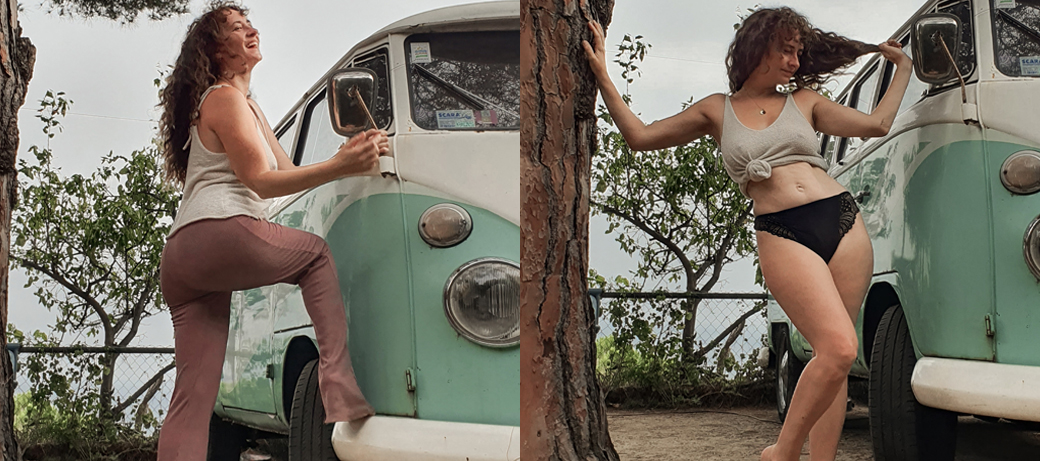
Hoeveel onderbroeken heb je nodig?
probeer het uit met 1
Om te beginnen zou ik er 1 halen om te kijken of menstruatie ondergoed jou ding is. Als je regelmatig maandverband gebruikt (overdag of in de nacht) vermoed ik van wel.
Dan is het helemaal afhankelijk van je flow, en persoonlijke voorkeur hoeveel (en welke) je nodig hebt. Hoe lang menstrueer je? En hoe veel bloed verlies je?
minimale aantal
Als je geen extreem hevige flow hebt en je de onderbroekjes elke keer meteen uispoelt, wast en droogt na gebruik kun je met 3 mentruatie onderbroekken goed uit de voeten.
Hoeveel en van welk type je nodig hebt is wel afhankelijk van hoeveel jij vloeit en hoe lang elk stadia duurt en of je bijvoorbeeld daarnaast ook nog een cup overdag gebruikt. Maar met 1 Heavy flow onderbroek voor de nachten en 2 medium flow broekjes voor overdag zouden de meeste mensen al prima een menstruatie kunnen door rouleren.
grotere collectie
Heb je meer budget zou je bijvoorbeeld voor de eerste zwaardere dagen 2-3 hogere modellen voor “heavy flow” willen met net iets groter absorbsie oppervlak. De dagen daarna 3-4 “medium flow” onderbroekjes, en voor de lichtere dagen op het einde 2-3 leuke “light flow” onderbroekjes of strings met mooie kantjes erop.
Voordeel hiervan is dat je niet perse elke dag hoeft te wassen. Met meerdere broekjes per menstruatie kun je gemakkelijk elke onderbroek na gebruik meteen even uitspoelen met KOUD* water (ik doe er ook een drupje eco handwasmiddel bij) tot er alleen nog helder water uit komt en dan met wat handwasmiddel in een emmer water gooien. Dan spaar je er een aantal op en kun je ze allemaal in 1x in de was (gebruik geen wasverzachter) gooien.
*Waarom uitspoelen in koud water!?
En hoe was je die dingen eigenlijk?
Bloed lost op in koud water. De eiwitten in het bloed stollen door warm water en dan word het moeilijker om snel uit te spoelen. Dus altijd eerst spoelen met KOUD water tot her alleen nog helder water uit komt en daarna in de was slingeren of met de hand in een warm sopje doen. Gebruik geen wasverzachter omdat dat de absorbsie niet tengoede komt. Na het wassen ophangen en laten drogen aan de lucht met het absorbsie vlak naar buiten gericht (binnenstebuiten dus). Niet in de droger doen, dan gaan ze veel langer mee!
Welk type!? Welk merk!? Welk model!?
Juist nu kom je tot de essentie van dit blog.
Waar liggen de verschillen en overeenkomsten!?
Ik heb diverse modellen van de volgende brands getest:
Bamboozie, Lotties, Chantelle bij Livera & Snuggs
Overeenkomsten
Om te beginnen wat hebben al deze brands met elkaar gemeen?
Allemaal hebben ze een enorm goede absorbsie.
Ondanks de claims op hun “unieke gepattenteerde laagjes” absorberen alle onderbroekken van elk merk heel erg goed en ben ik bij geen een van de onderbroekken doorgelekt.
Het hielp wel dat ik dus voor de eerste dagen de heavy flow broekjes droeg en daarna de medium flow en toen kon afbouwen naar de light flow types. Als je de juiste menstruatie onderbroek pakt die past bij je bloedverlies zal doorlekken nooit meer een issue zijn.
De kwaliteit en zorg waarmee elk merk de onderbroekken heeft afgewerkt is ook iets wat bij de verschillende brands allemaal overeenkomt.
Het zijn duurzame producten die lang mee moeten gaan. En dat is te zien.
En hierbij houden de overeenkomsten op.
We gaan door met de:
Verschillen
Elk brand heeft echt totaal verschillende modellen, pasvormen en materialen waarmee het menstruatie ondergoed gemaakt is.
En dat is waar je de grote verschillen gaat opmerken. In het begin raakte ik daarvan ietswat geïrriteerd. Te veel keuze, ik wist het niet meer. Bomen en bos. Maar nu snap ik het helemaal. Hoe kan het ook anders. Een menstruatie is niet one size fits all. Zo mooi dat er keuze ís. Zodat jij kan kiezen wat bij jou past. En laten we wel wezen, het is best een investering. Dus dan mág het toch ook helemaal precies zijn zoals jij het het prettigste vind zitten?
De een vind katoen fijner, de ander gaat voor bamboo en de volgende vind de gladde syntetische en onverwoestbare stretchy stoffen fijner zitten. Ik heb gemerkt dat de syntetische modellen zich heel mooi naar je lijf vormen en gedurende de dag niet uitlopen en perfect blijven zitten. De natuurlijke stoffen voelen heerlijk ademend en zacht aan op de huid en lopen kwa pasvorm iets uit gedurende de dag.
Wil je een hoog model, of juist een hipster of een string? Misschien een boxer model!?
Zwart, of misschien grijs, groen, paars, jou eigen huidskleur of met bloemetjes?
Of anders met een kanten randje?
Wat jij zoekt is te vinden.
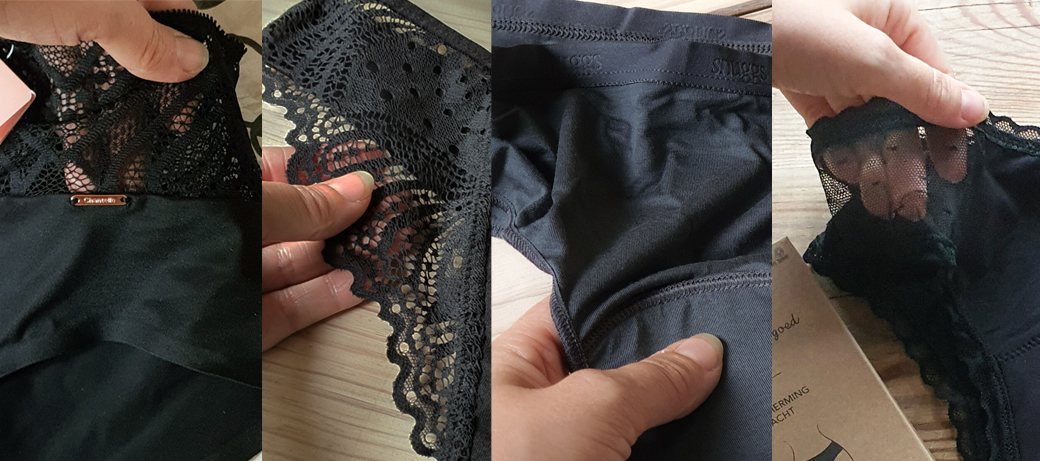
Hoe kies je het juiste menstruatie ondergoed voor jou?
Wat de beste keuze voor jou specefieke situatie is is misschien het beste te bepalen door:
1- vooraf te bepalen welke absorbsie je nodig hebt en hoeveel van elk.
2-pasform en modellen je voorkeur heeft.
3-welke materialen ze mogen zijn.
Dan te kijken in het aanbod van de diverse brands.
Maak een eerste selectie, en dan kijken welke kleur of afwerking je het mooiste vind van de exemplaren die aan je eisen voldoen.
Hieronder heb ik de door mij geteste modellen van de diverse merken gesorteerd op vocht absorbsie cappasiteit.
Van de lichte naar de zware Flow modellen. hoop dat het je wat helderheid bied.
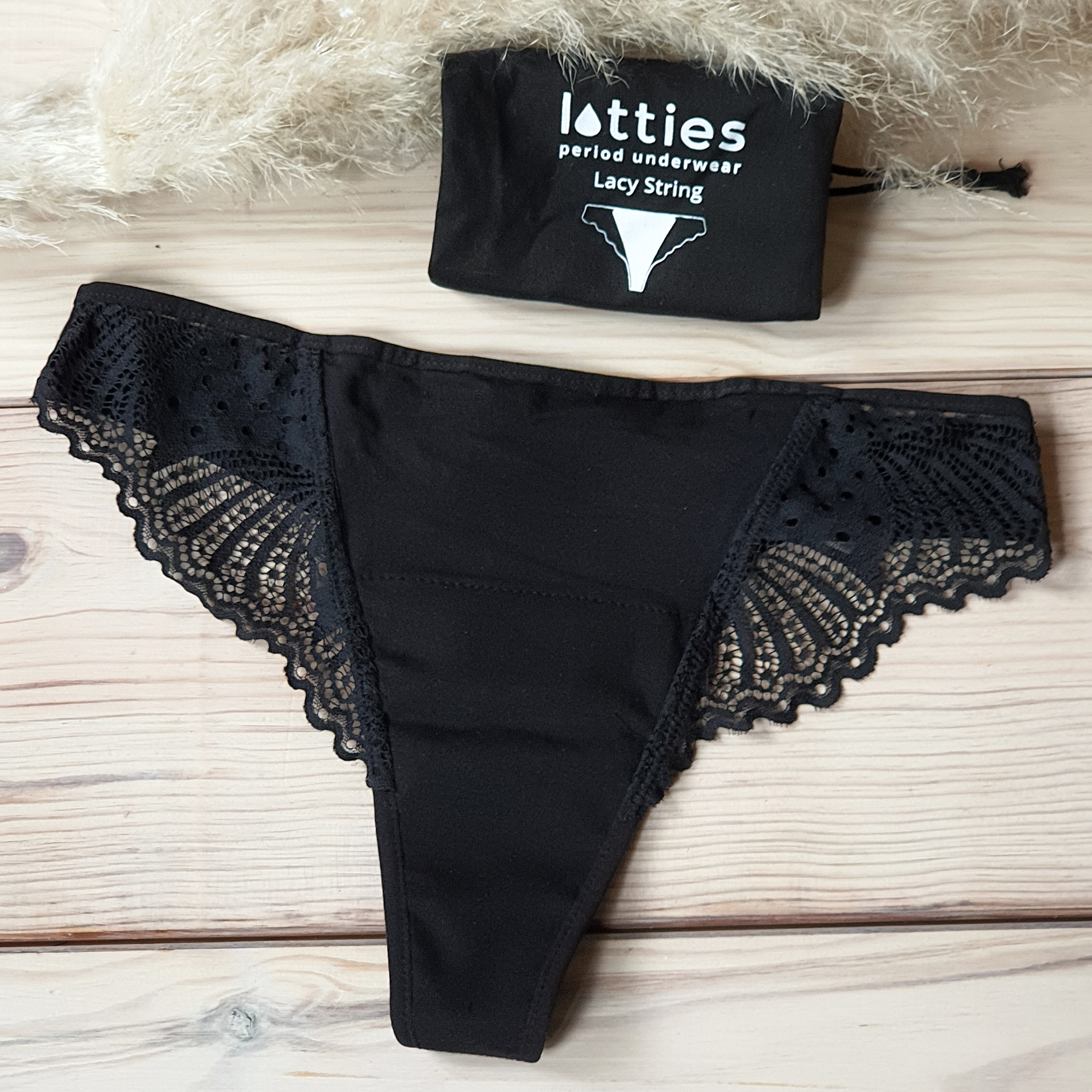
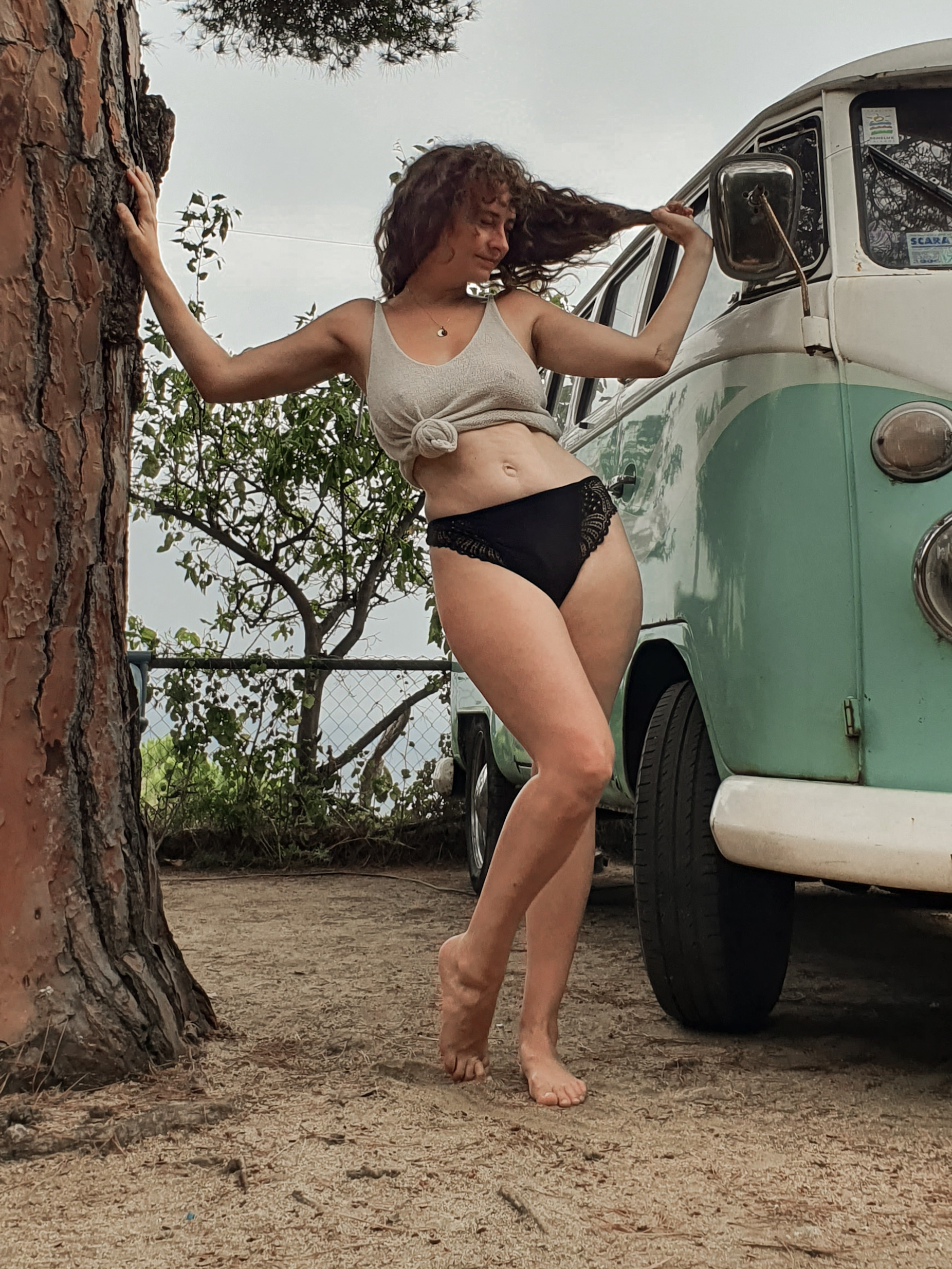
Model: Lacy string
Merk: Lotties
Materiaal: Lenzing Modal
Absorptie:  Lichte Flow, Absorbeert ongeveer gelijk aan 1 tampon/Maandverbandjes.
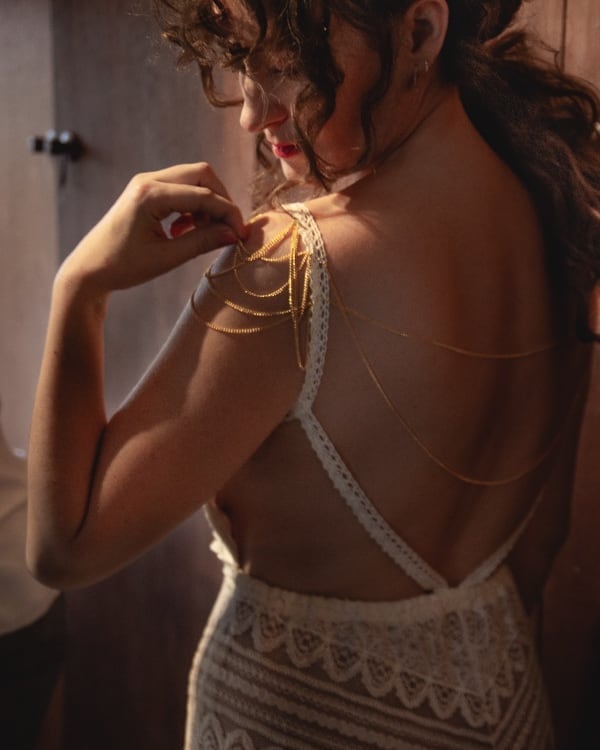
Review: Oef! Heel sexy en Comfy deze! De string voelt eigelijk nkiet heel anders dan een gewone string, het kruisje heeft een ietjes dikkere stof als een gewone string maar zeker velen malen dunner dan een maandverbandje of inlegkruisje. Vanaf dag 4 van mijn mentruatie draag ik deze wel eens. Maar hij zit zo fijn, dat ik hem gerust ook weleens aantrek buiten mijn menstruatie. Omdat, uuh kijk nou!! Dat kant! En meis, Show that Bootieee! 😉
Prijs: €21,95
Korting code: wildandboho20
Deze code geeft 20% korting 🙂
Tot 31 dec 2022
Link: https://lottiesperiod.com/product/lacy-string/
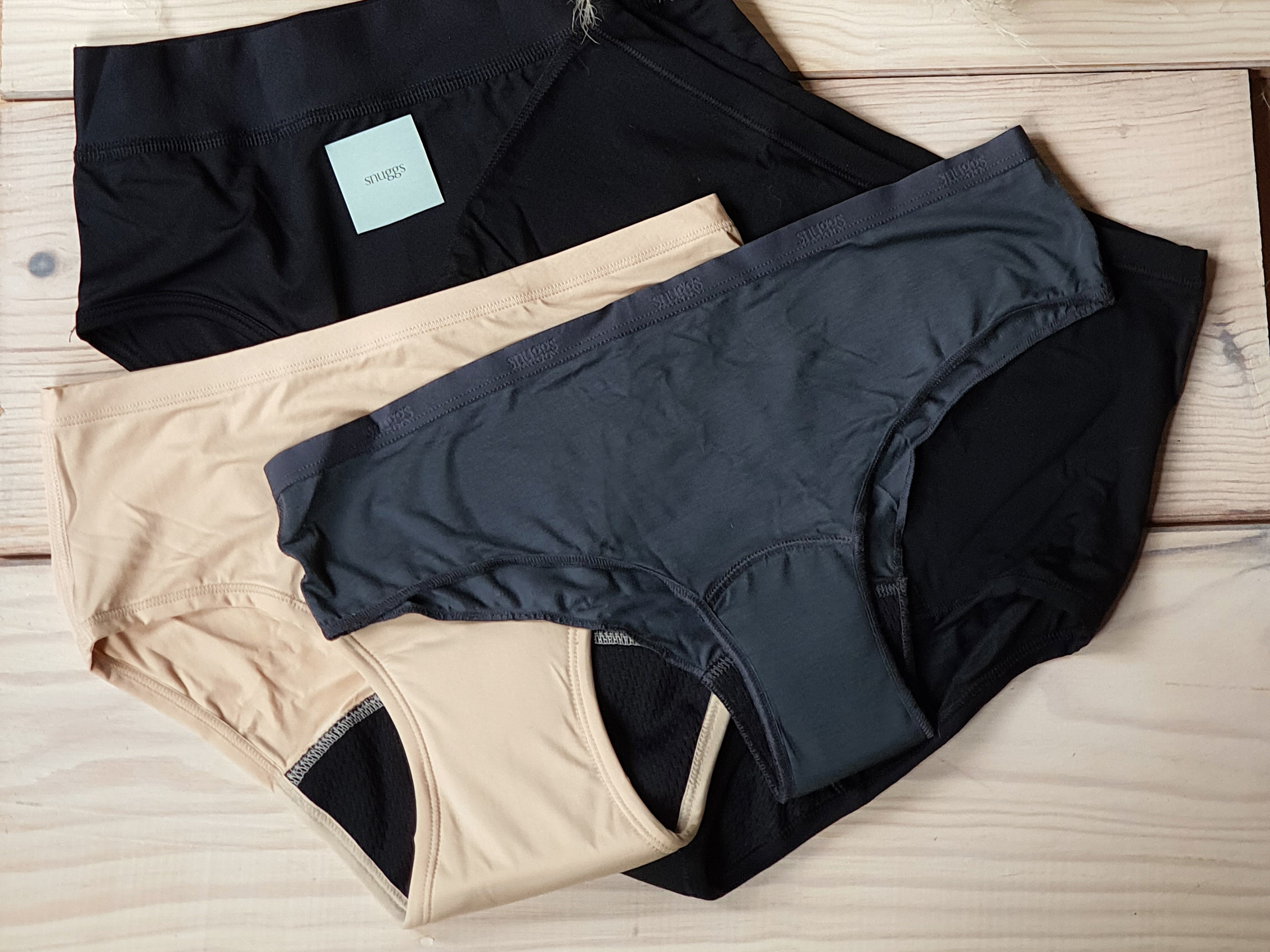
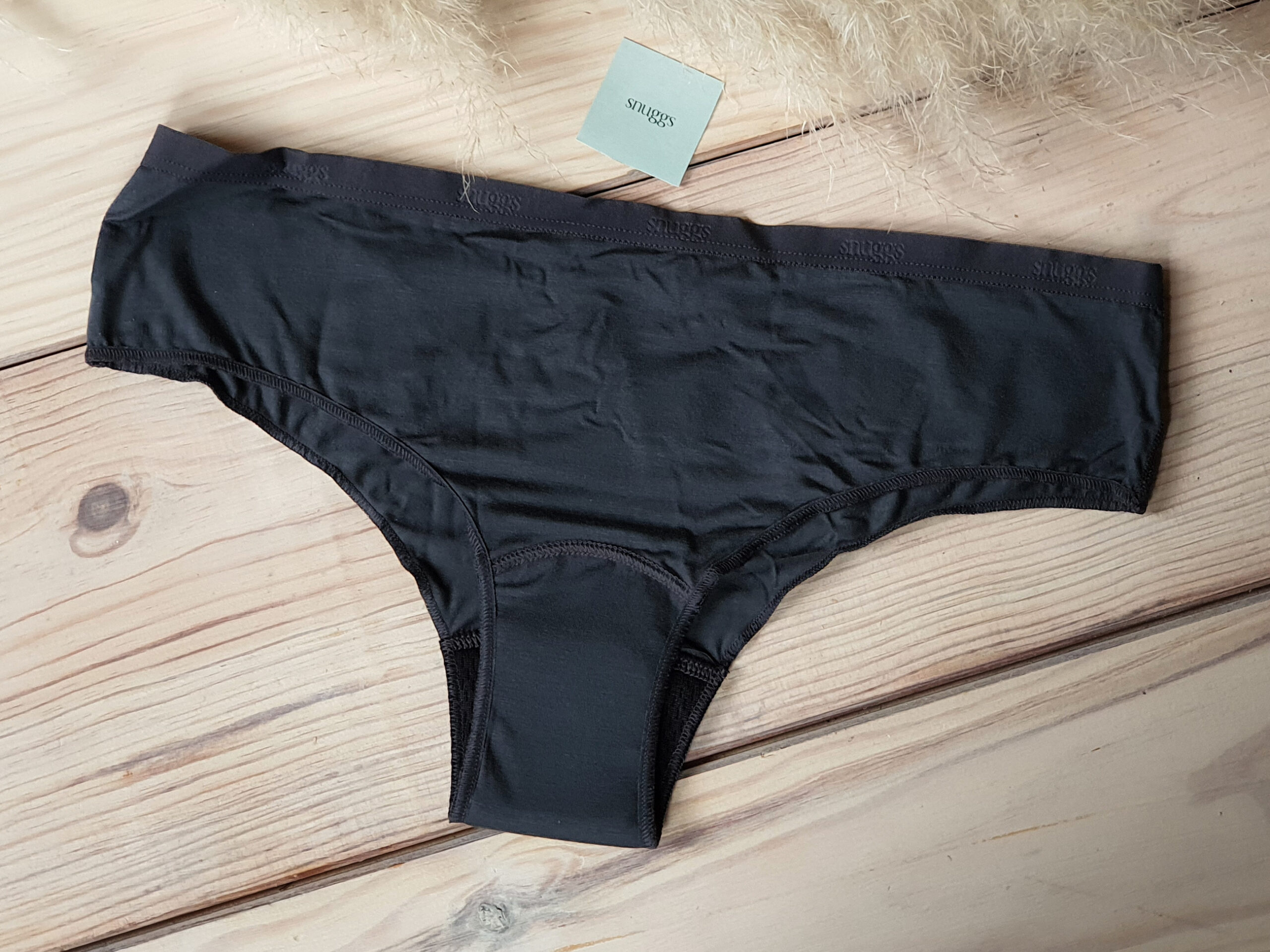
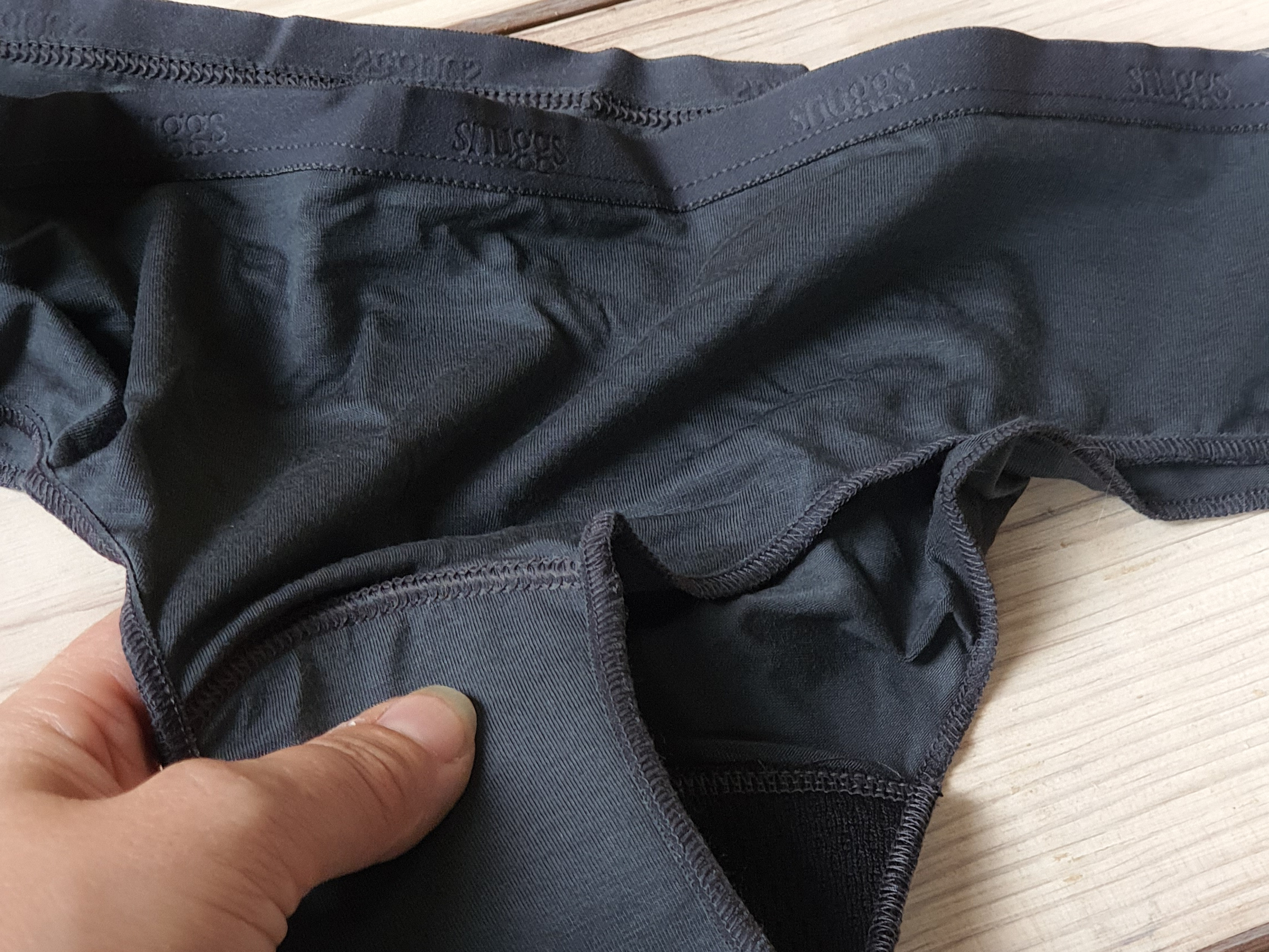
Model: Cheeky
Merk: Snuggs
Materiaal: The body of the underwear: 93% Tencel Lyocell, 7% elastane, Functional layer: 100% polyester, Absorbent layer
100% cotton, Impermeable membrane
95% cotton, 5% PUL
Absorptie: Lichte Flow, Absorbeert ongeveer gelijk aan 1 tampon/Maandverbandjes.
Review: Deze Snuggs menstruatieslip voelt comfortabel, licht en natuurlijk aan. Het verschil tussen deze onderbroek en een teguliere onderbroek is amper te merken als je hem aantrekt. Hij is helemaal perfect voor de wat lichtere dagen aan het einde van je menstruatie. Hiermee voelt het bijna alsof je menstruatie al een dagje eerder is afgelopen.
Prijs: €32,-
Kortingcode 15%: WILDANDBOHO
Geldig tot: 19 september 2022
Link: Snuggs.nl
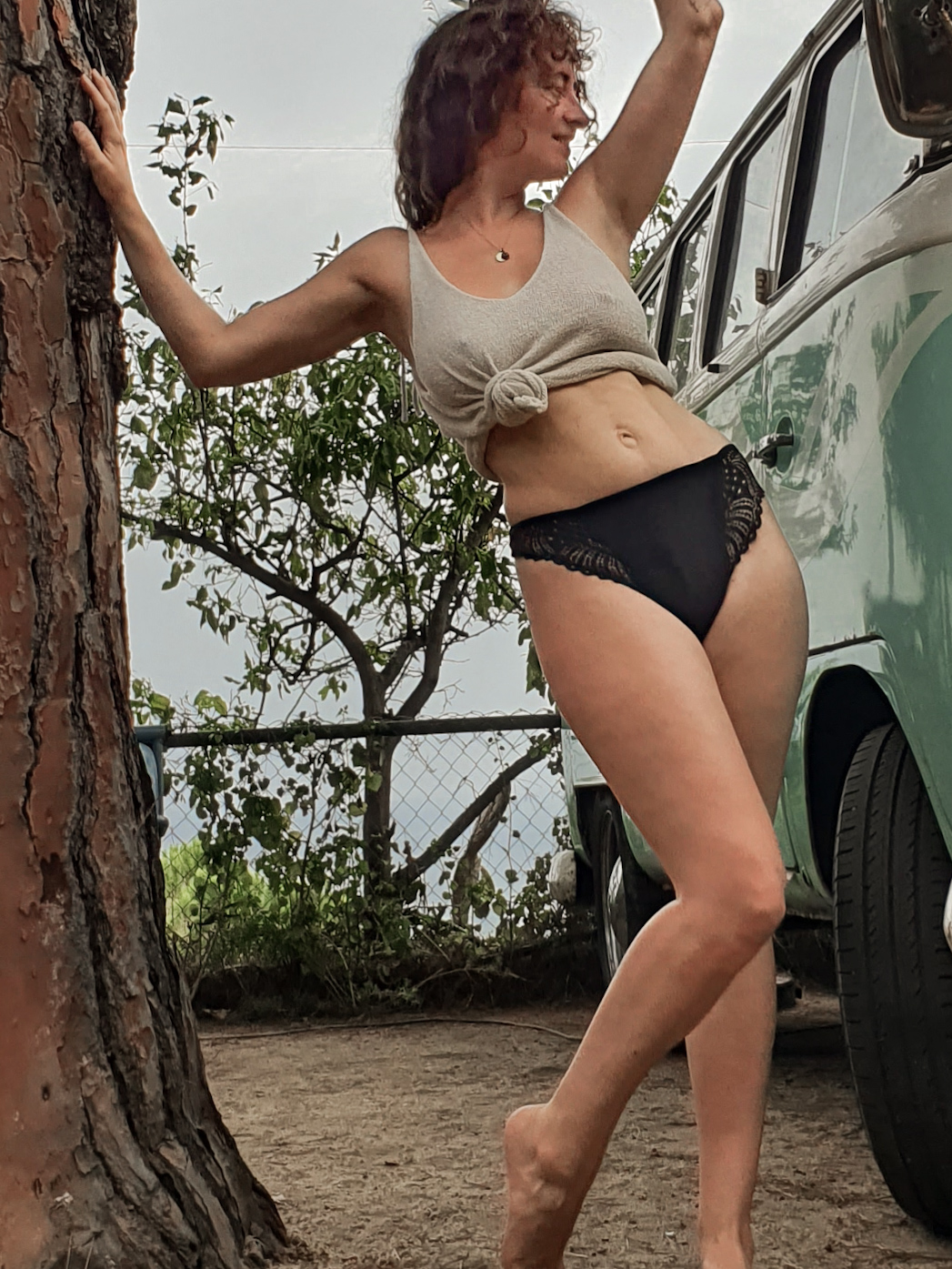
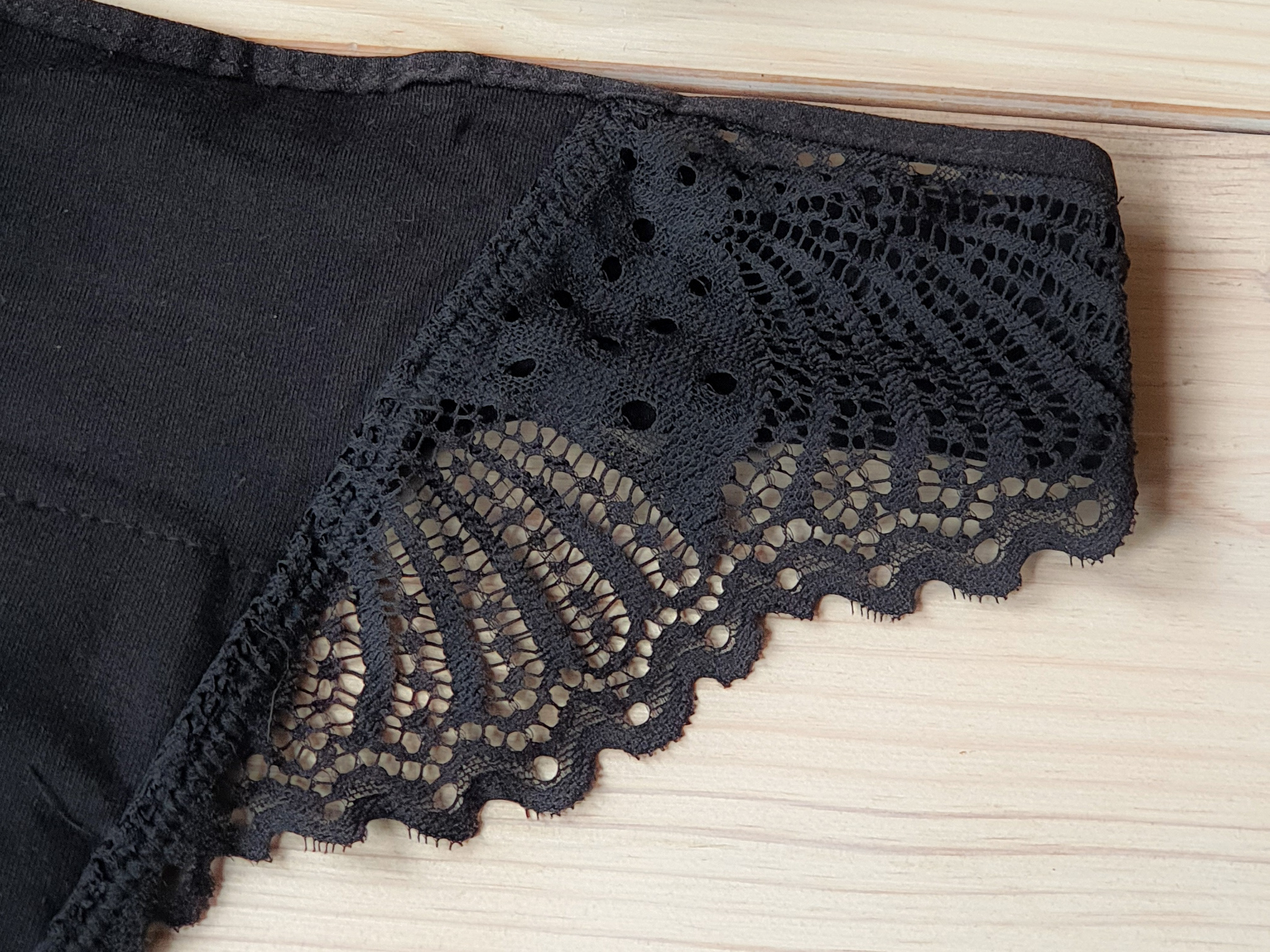
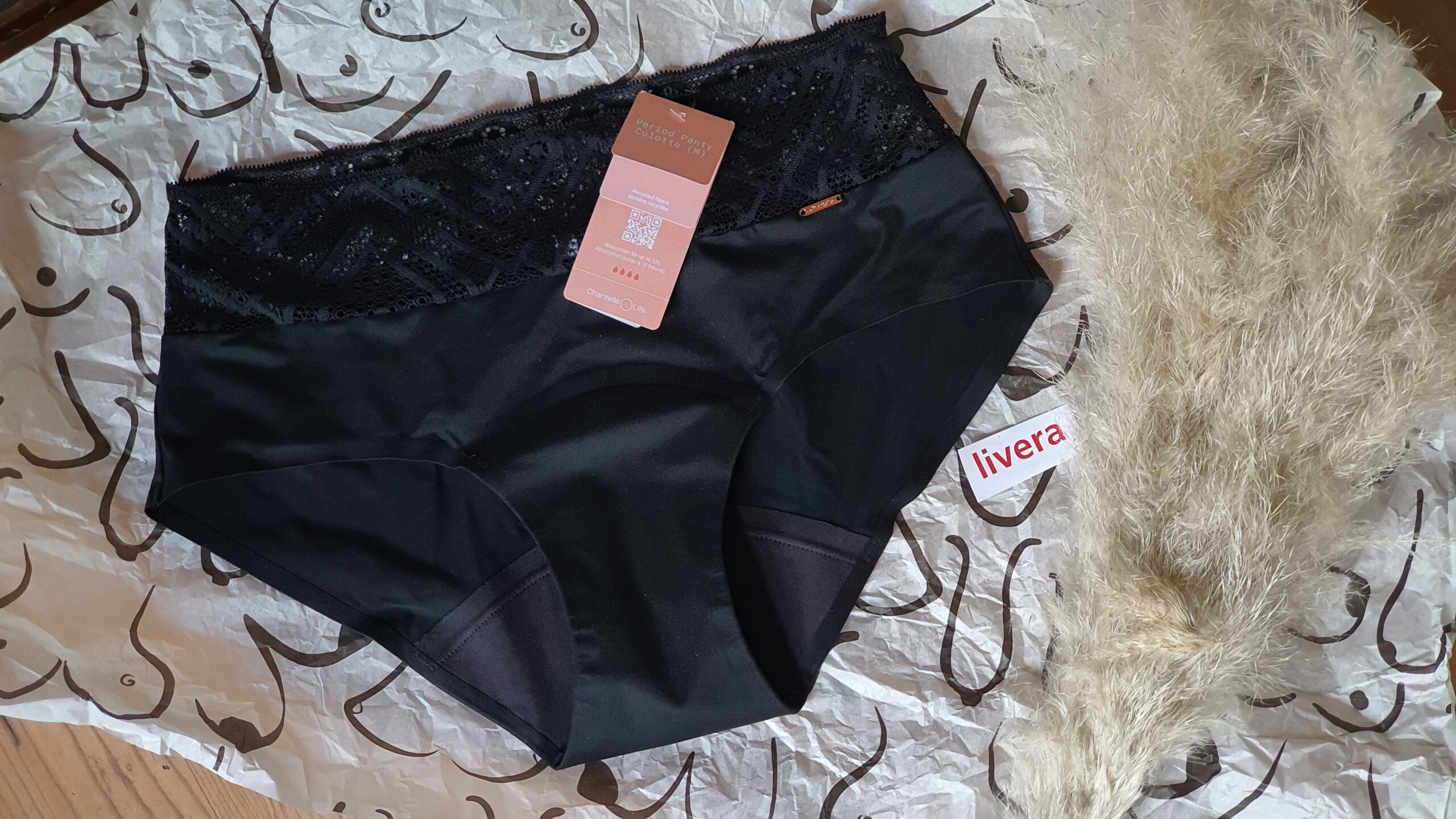
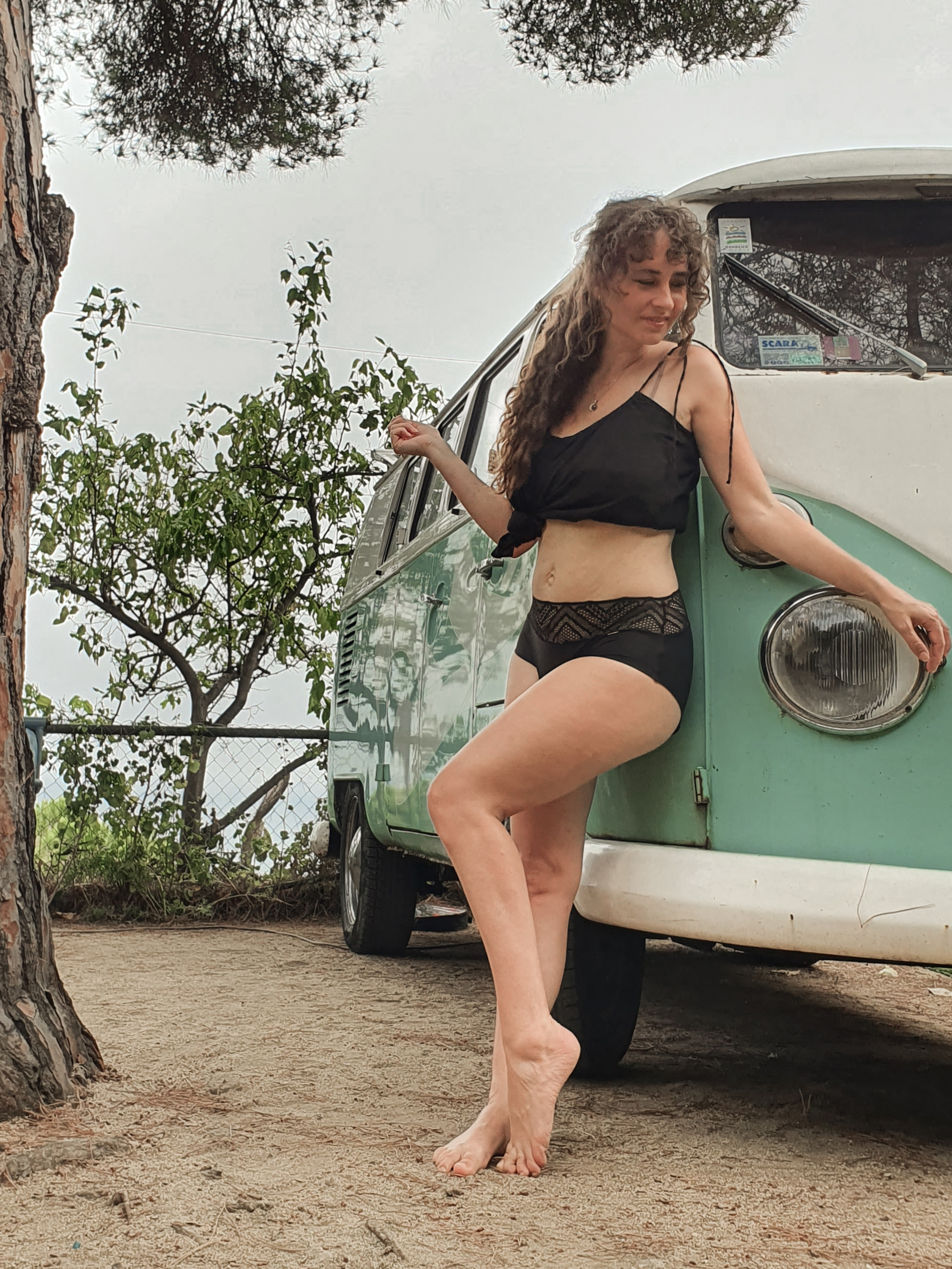
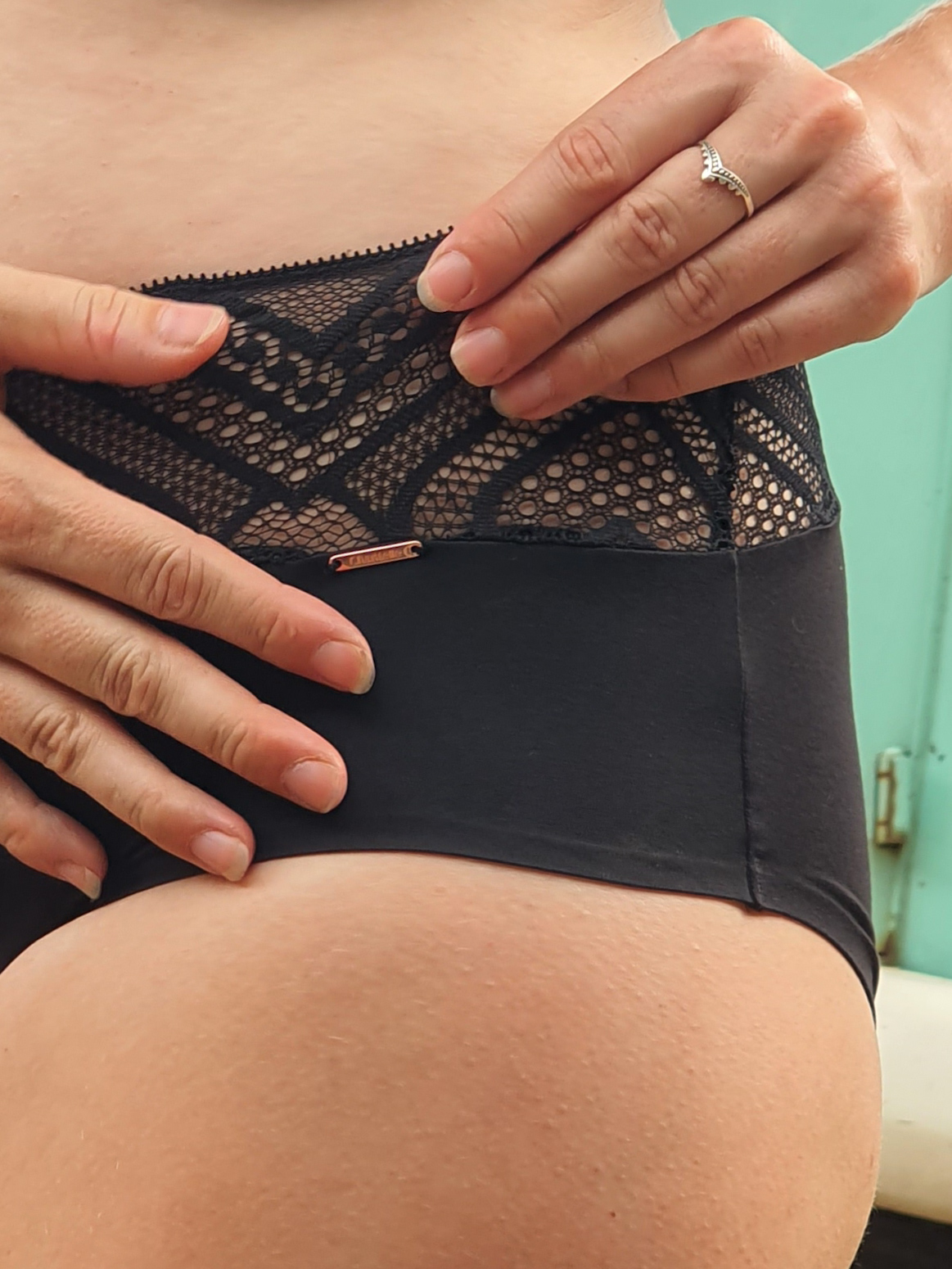
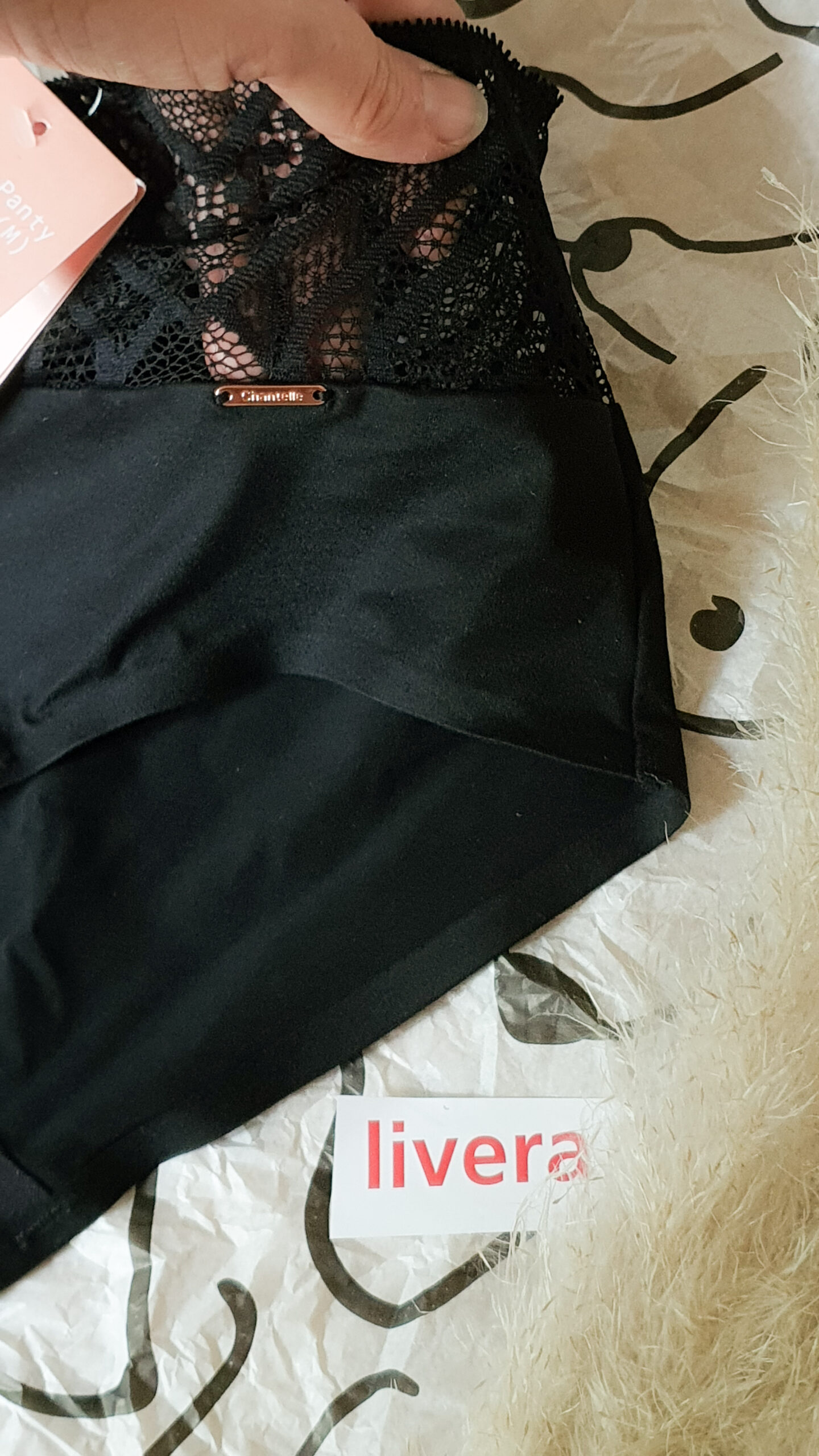
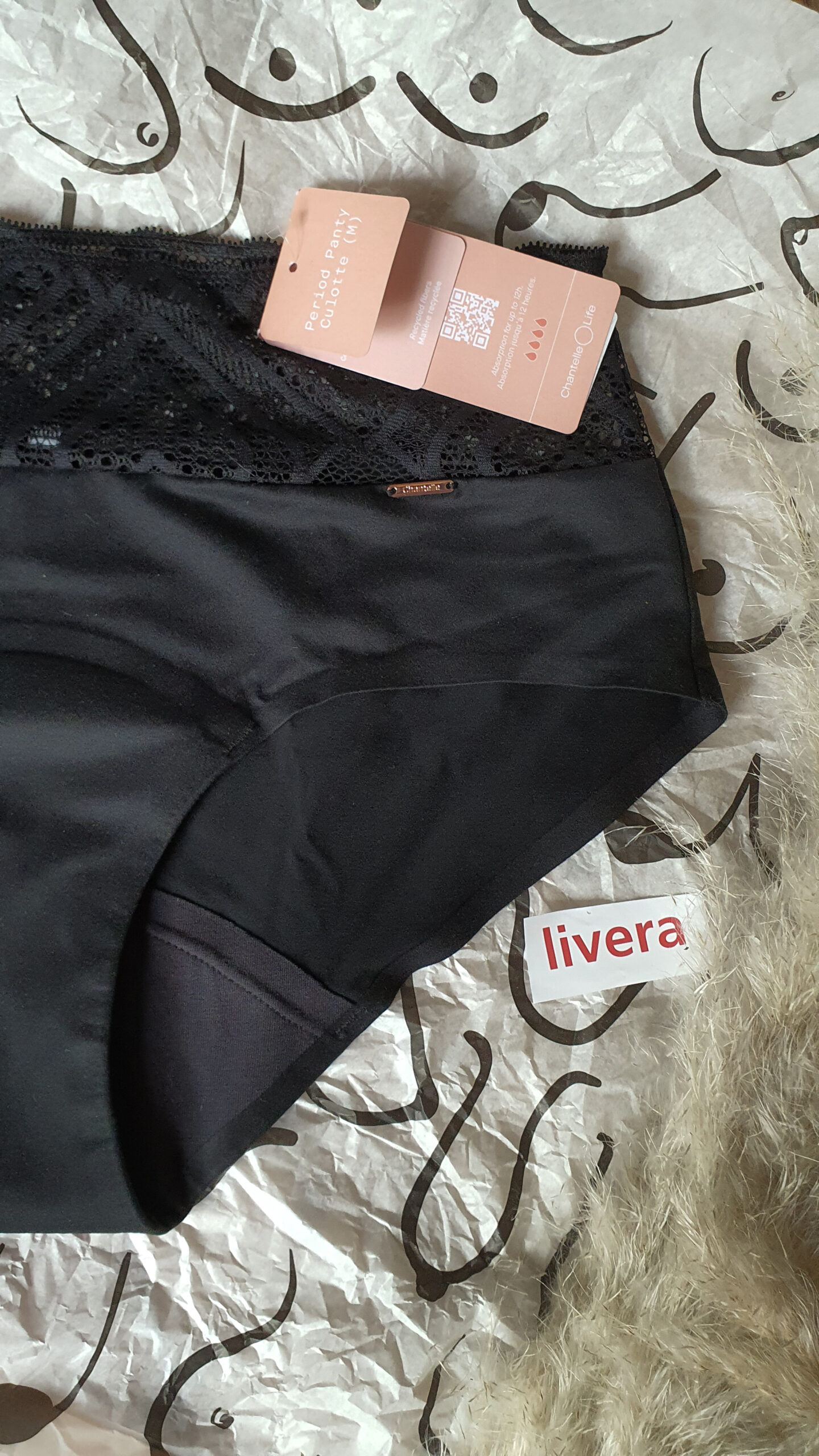
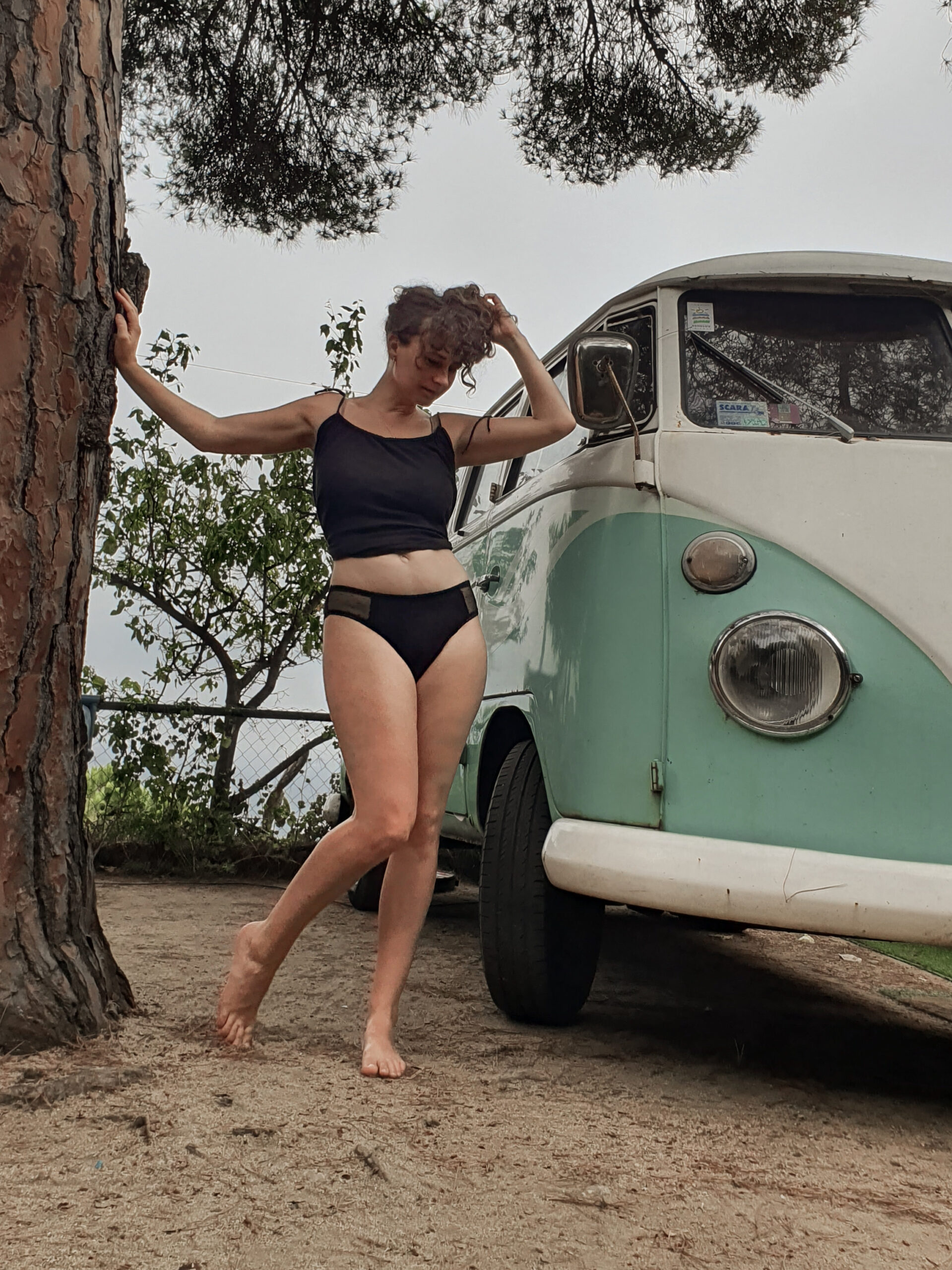
Model: Period Panty Lace
Merk: Chantelle bij Livera
Materiaal: Materiaal buitenstof: 75% gerecycled polyamide + 25% elastaan. absorbsie lagen: Afvoerende laag: 94% Organisch katoen GOTS
Absorptie:  Absorbeert ongeveer 3 tampons/Maandverbandjes
Review: Wat een plaatje! bij het uitpakken valt het meteen op. de afwerking van deze menstruatieslip is echt luxe! Het kant voelt heel zacht en de randjes zijn duidelijk met een andere techniek afgewerkt ans de andere onderbroekjes. Eenmaal aangetrokken past de rekbare zachte stof zich meteen aan aan mijn vormen. onder een broek zijn de naden amper zichtbaar. Dit is verreweg de meest luxe uitvoering van alle geteste slips. Met dit slipje in je menstruatie arsenaal is het niet erg dat je mentruatie net op die ene gelegenheid valt. Super comfortabel en elegant.
Prijs: €39,-
Link: https://www.livera.nl/
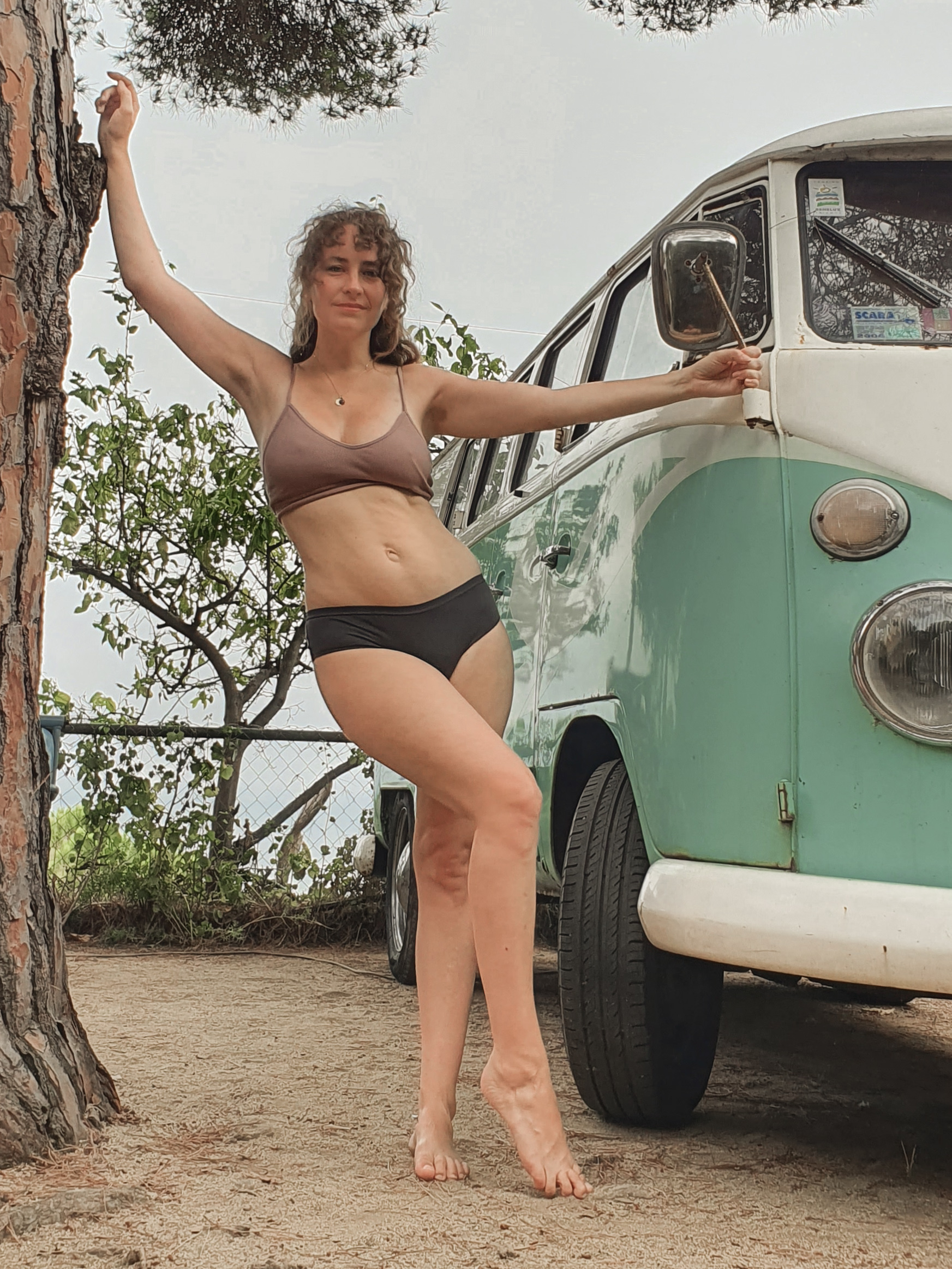
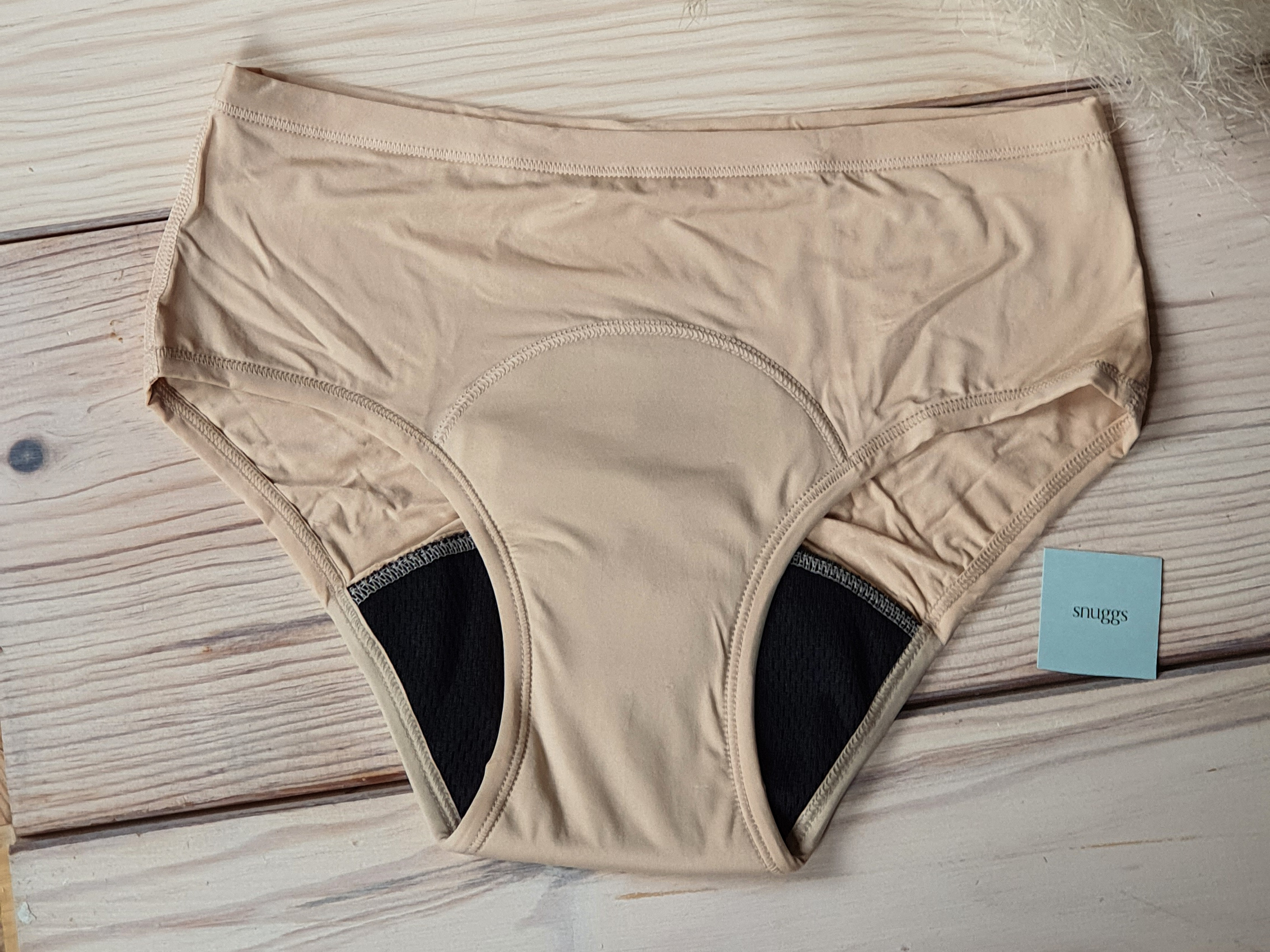
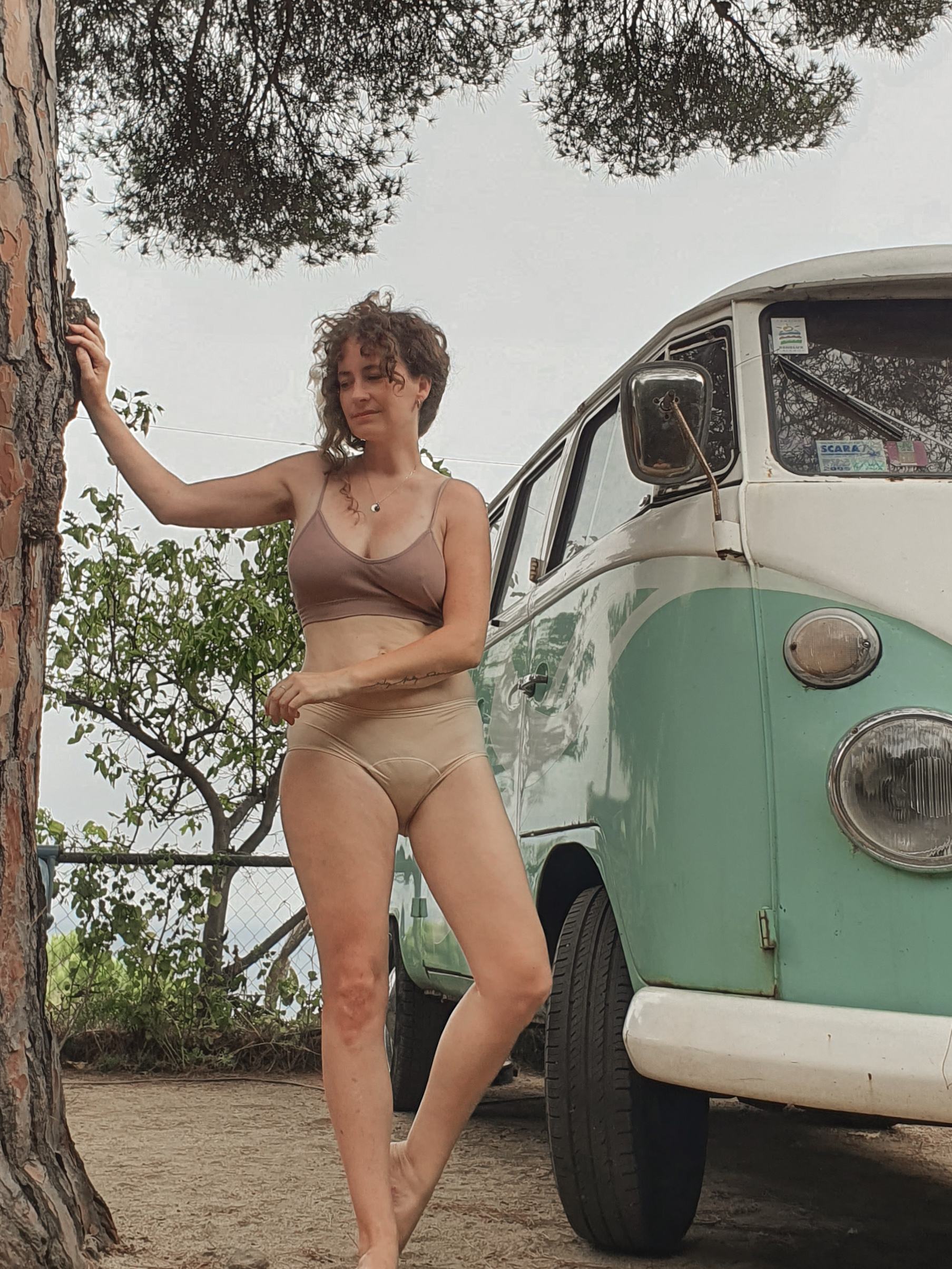
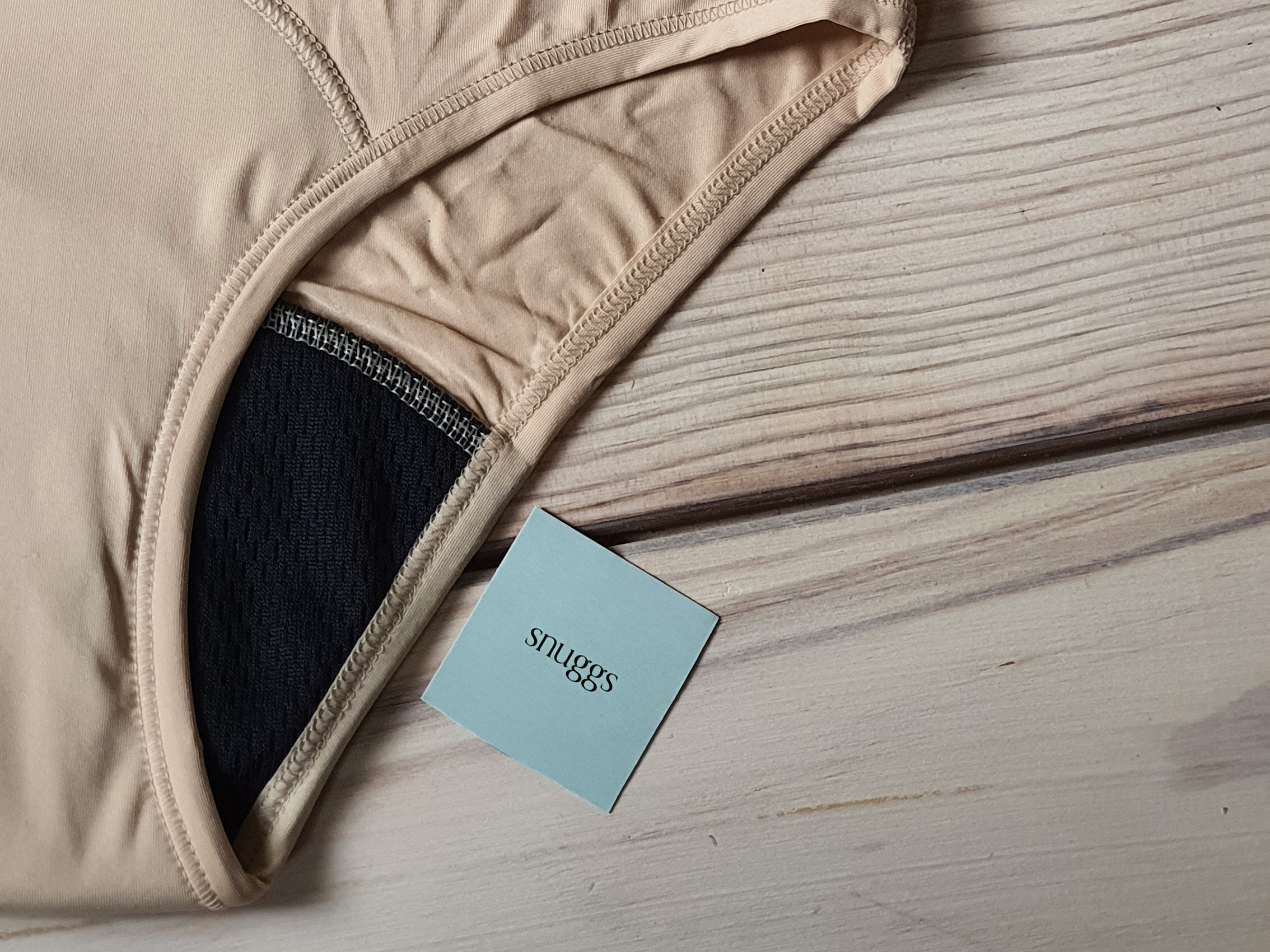
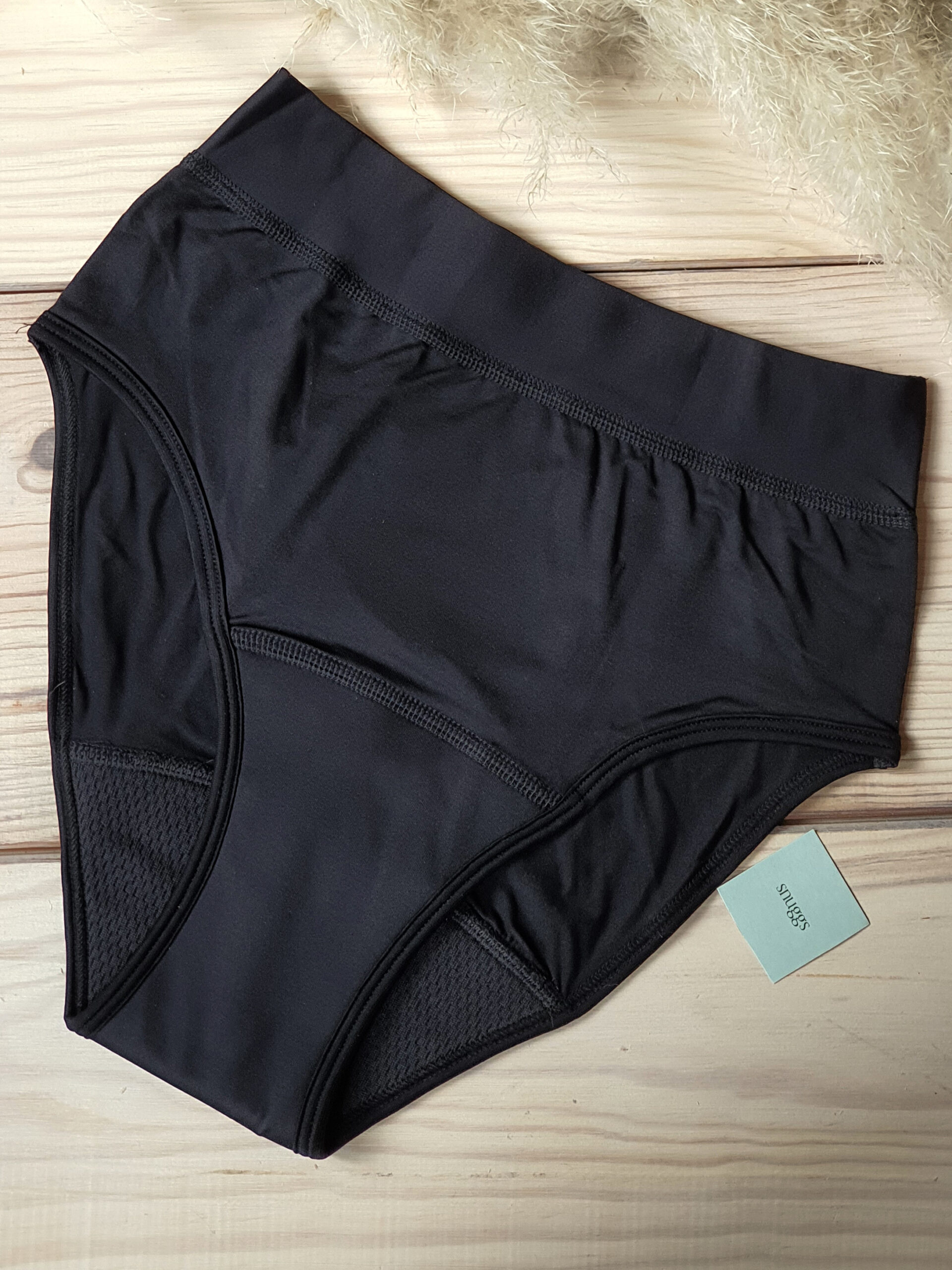
Model: Beige
Merk: Snuggs
Materiaal: The body of the underwear
86% nylon 14% elastane, Functional layer: 100% polyester, Absorbent layer: 100% cotton, Impermeable membrane: 95% cotton, 5% PUL
Absorptie: Absorbeert ongeveer 3 tampons/Maandverbandjes
Review: Lekker gaan sporten in je yoga legging met deze! Dit is wat je noemt subtiele en comfortabele menstruatieondergoed voor elke dag.
De Snuggs absorbsielaag bedekt een ruim vlak van de onderbroek, daarnaast sluit het model mooi aan op je lijf zonder te knellen. Deze is zeker comfortabel genoeg om lekker te bewegen of in te werken.
Prijs: €36,-
Link: Snuggs.nl
Kortingcode 15%: WILDANDBOHO
Geldig tot: 19 september 2022
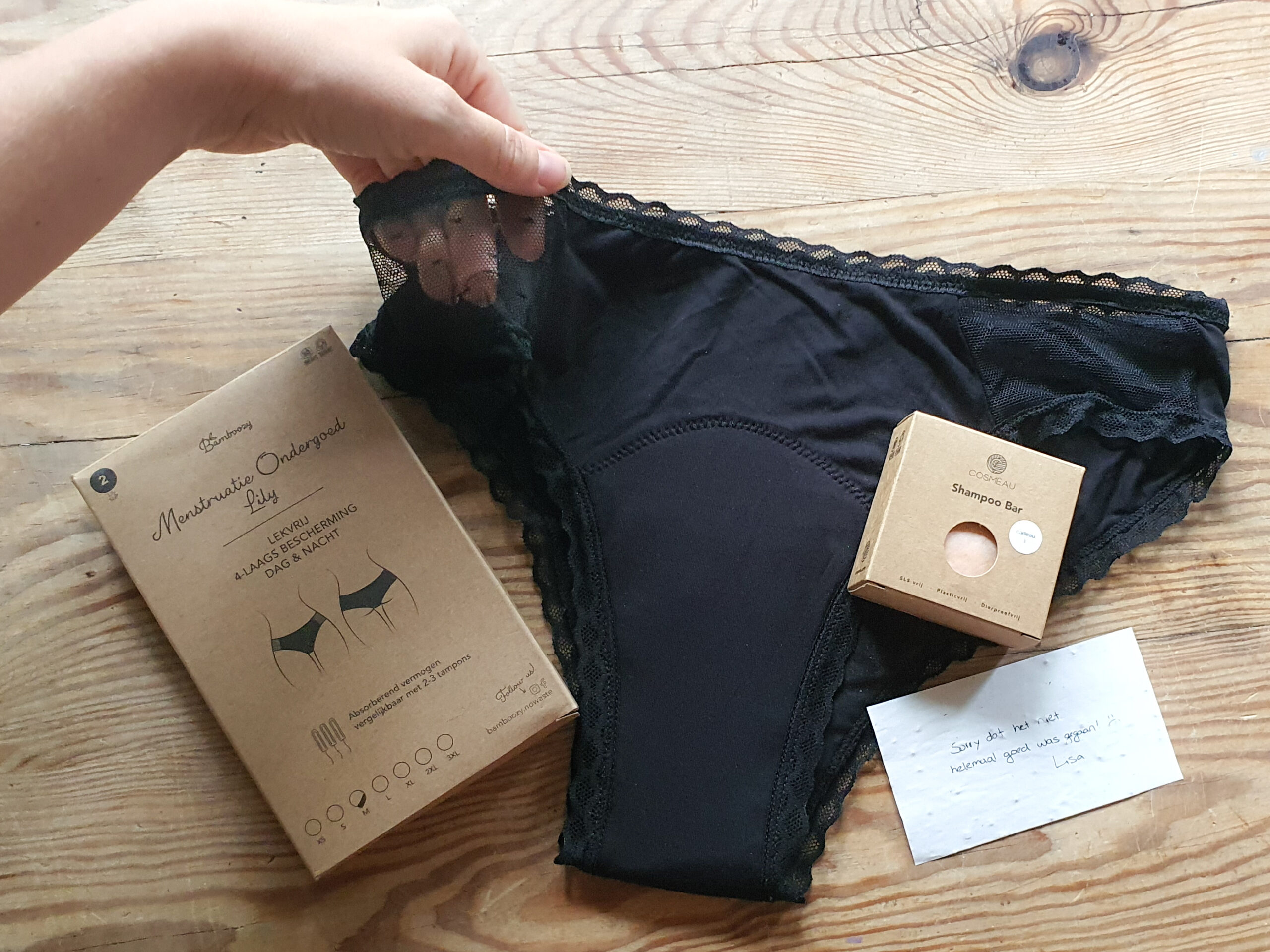
Model: Lily
Merk: Bamboozy
Materiaal: Eerste laag 95% katoen, 5% spandex, Tweede laag 80% polyester, 20% nylon, Derde laag PUL waterproof, Vierde laag 95% bamboo 5% spandex
Absorptie: Absorbeert ongeveer 3 tampons/Maandverbandjes
Review: Dit was de eerste menstruatie onderbroek die ik had geprobeerd en met deze was ik dus ook meteen om! De stof zit super zacht en soepel. voelt niet syntetish aan waarschijnlijk omdat de lagen die je huid raken weinig syntetische stoffen gebruiken. Deze heb ik de eerste 2 maanden gebruikt in mijn gehele menstruatie periode. Mooie allround onderbroek met een heel mooi prijskaartje (daarbovenop met extra korting voor mijn volgers/lezers met de code hieronder).
Prijs: €18,95
Link: bamboozy.nl
Kortingcode 10%: WILD10
Geldig tot: onbepaalde tijd 😉 yay!
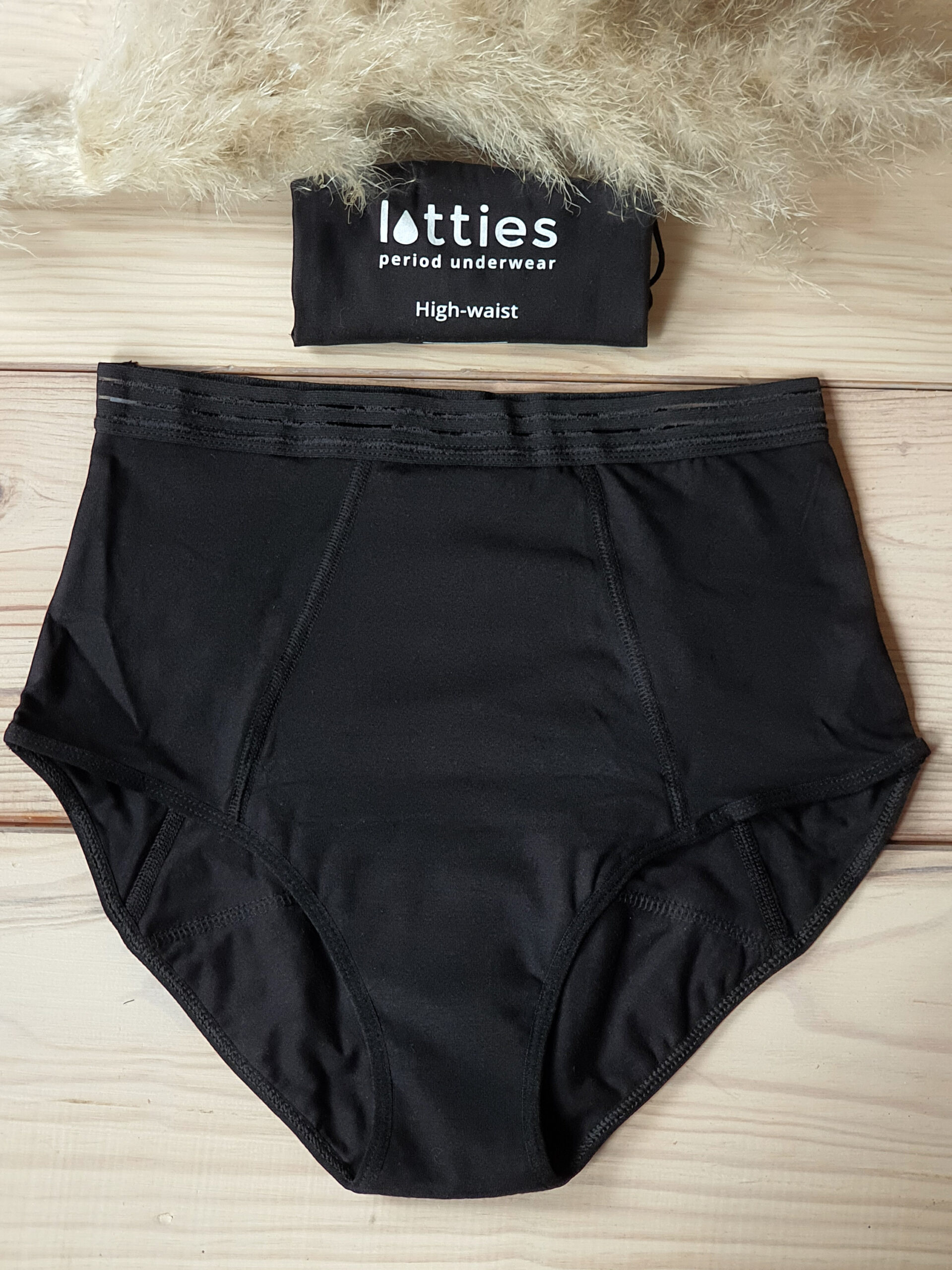
Model: Super High Waist
Merk: Lotties
Materiaal: Lenzing Modal
Absorptie: Absorbeert +3 tampons/maandverbandjes
Review: De stof van deze hoge Menstruatieonderbroek voelt als super zacht katoen of bamboo stof. In ieder geval zeer natuurlijk en niet syntetisch. Het model komt lekker hoog, em ook het absorbsievlak van dit model komt lekker hoog zodat dit model ook perfect is bij een hevig vloeien en voor zekerheid in de nacht. De stevige talle elastiek bovenin houd alles goed op zijn plek. Dit comfortabele model vind ik ideaal voor de eerste dagen van mijn menstruatie.
Prijs: €28,95
Korting code: wildandboho20
Deze code geeft 20% korting 🙂
Tot 31 dec 2022
Link: https://lottiesperiod.com/product/super-high-waist/
Model: Hugger
Merk: Snuggs
Materiaal: The body of the underwear: 93% nylon, 7% elastane, Functional layer: 100% polyester, Absorbent layer: 100% cotton, Impermeable membrane: 95% cotton 5% PUL
Absorptie:  Absorbeert 4 tampons/maandverbandjes
Review: Voor de eerste meest heftige dag(en) en nacht(en) van je menstruatie vond ik dit model echt heerlijk. Niet meer wakker worden met gevlekte lakens, deze Menstruatie onderboek geeft een ultra veilig gevoel! De absorbsie is zelfs gelijk aan 4 maandverbandjes of tampons en dat is te merken. De bovenrand voelt zacht en breed en de syntetische stof vormt zich naar je lijf zonder te knellen. ook fijn voor overdag als je hevig vloeit. Niet meer elke stoel checken waar je op hebt gezeten of in elke reflectie je kleding controleren op doorlekken. Deze Menstruatie onderbroek kan jou vloed gemakkelijk aan!
Prijs: €42,-
Kortingcode 15%: WILDANDBOHO
Geldig tot: 19 september 2022
Link: Snuggs.nl
Wat denk je ervan!?
Ik denk dat je nu zeker een beter idee hebt van welke onderbroek het beste bij jou en de flow past. Ik wil je vooral aanmoedigen om er eentje te gaan testen. Als je een maandverband gebruiker bent denk ik dat er een wereld voor je open zal gaan.
Mocht ik meer modellen testen in de toekomst zal ik deze hier aan deze vergelijkingsblog toevoeggen.
Laat me vooral weten wat jou ervaring is met de menstruatie slips zijn of stel je vraag hieronder in de comments.
Liefs,
Jolanda
Sidenote: Ik werk uitsluitend samen met duurzame brands die ik vertrouw. Voor dit blog ben ik niet gedoken in de transparantie van de duurzaamheid claims en het factchecken van de gehele productielijn van het ondergoed van deze brands. (Dat laat ik even over aan de echte journalisten) Ik ben wel van mening dat zelfs al zou de productie tóch niet 100% duurzaam zijn, het toch altijd nog beter is al elke maand al dat plastic met katoennen maandverband en tampons weggooien en te laten verbranden bij de afvalverwerking. Deze onderbroekken gaan daartegenover jaren lang mee gelukkig.
Met een hoop kleine stapjes de goede kant op hebben we gezamelijk een enorme positieve impact op de wereld waarin we leven.
Het hoeft niet perfect. Maar het moet wel beter…
Jan 4, 2022
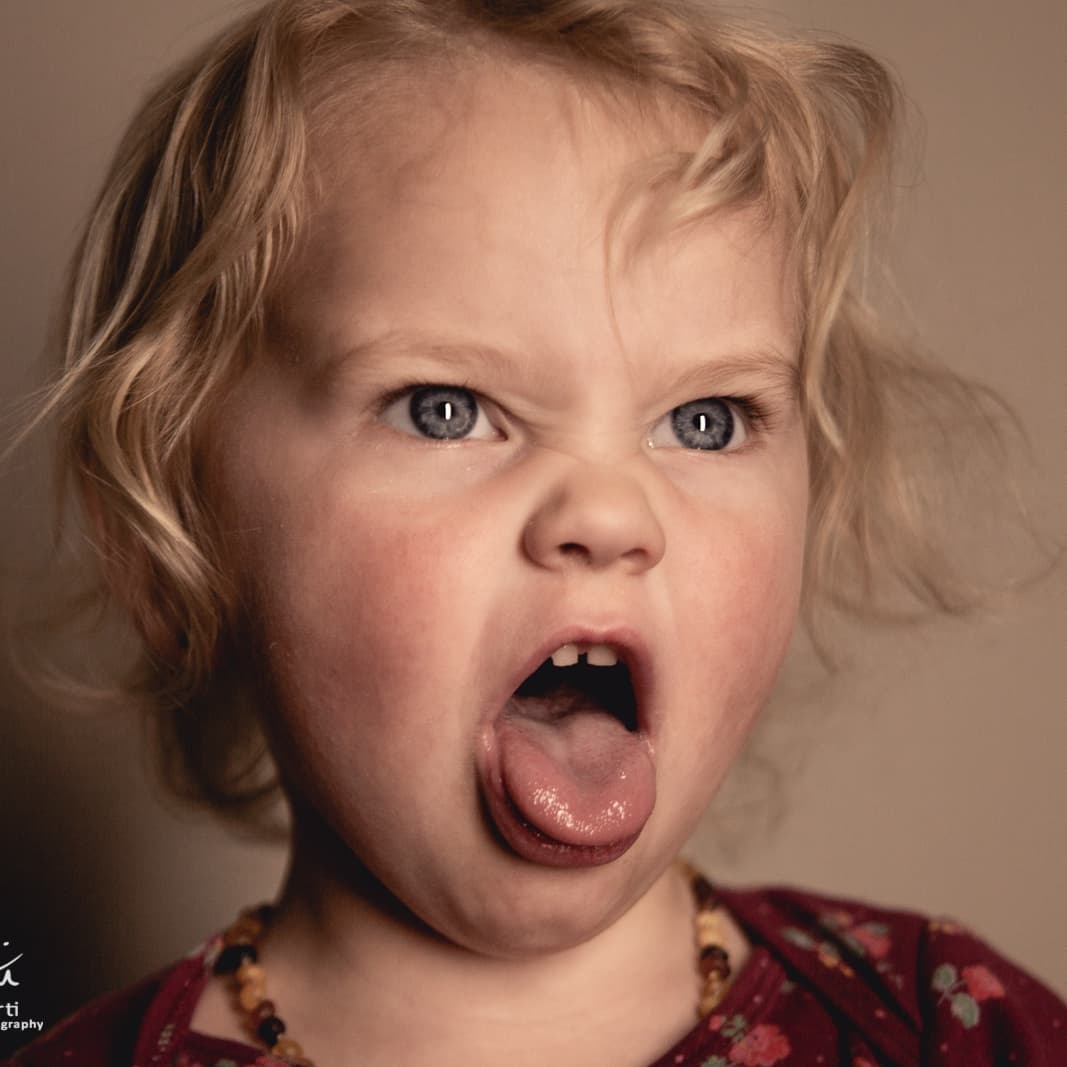
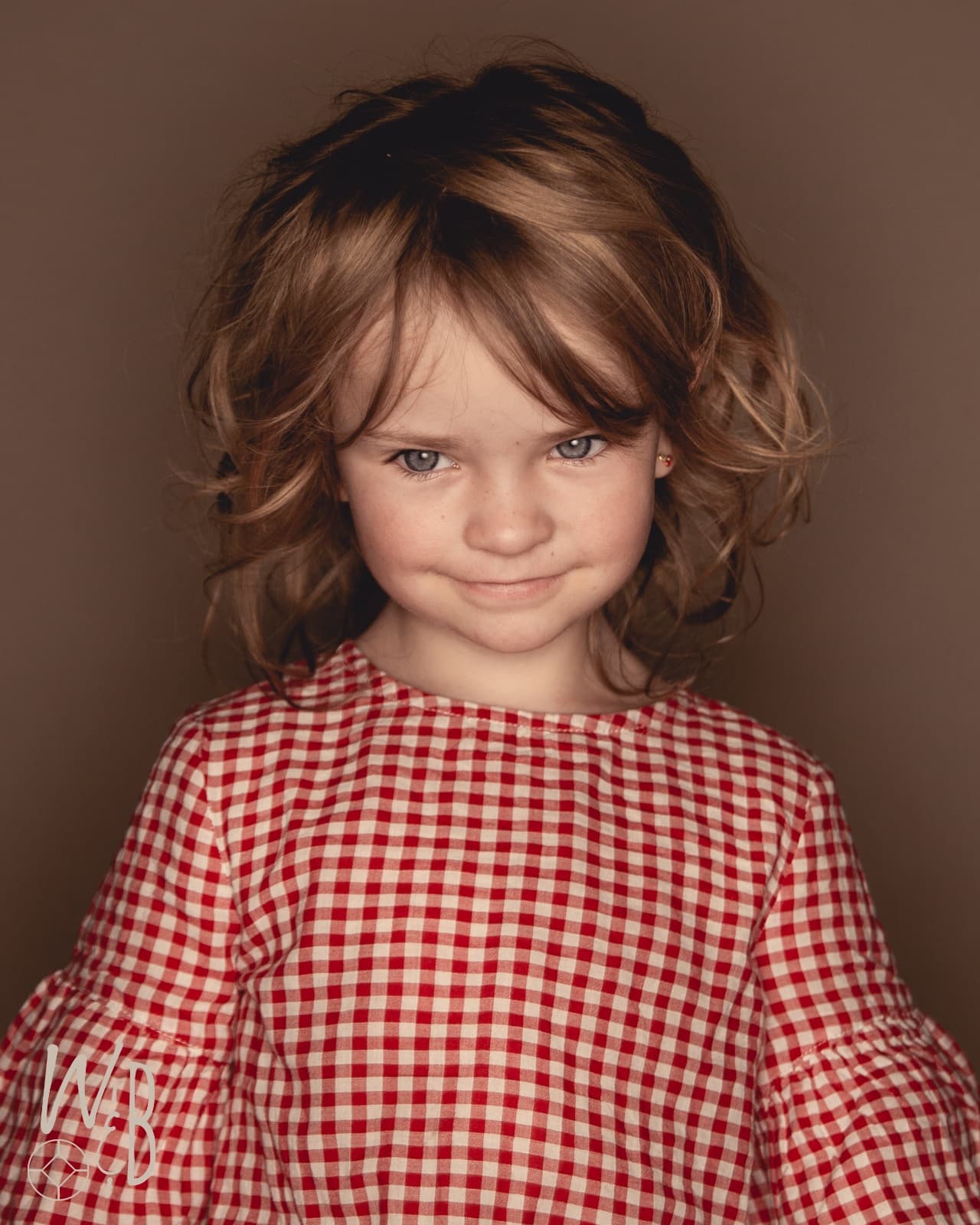
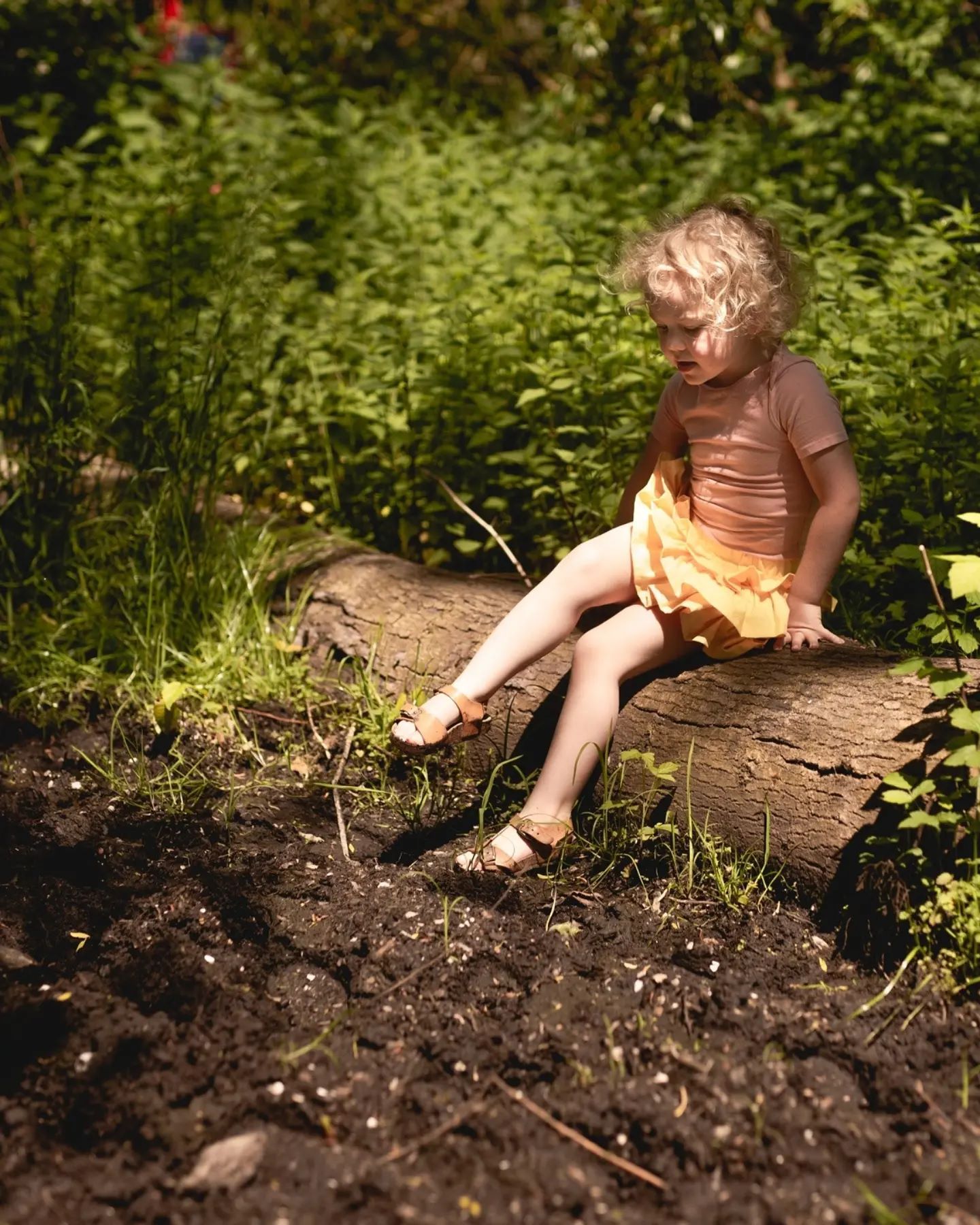
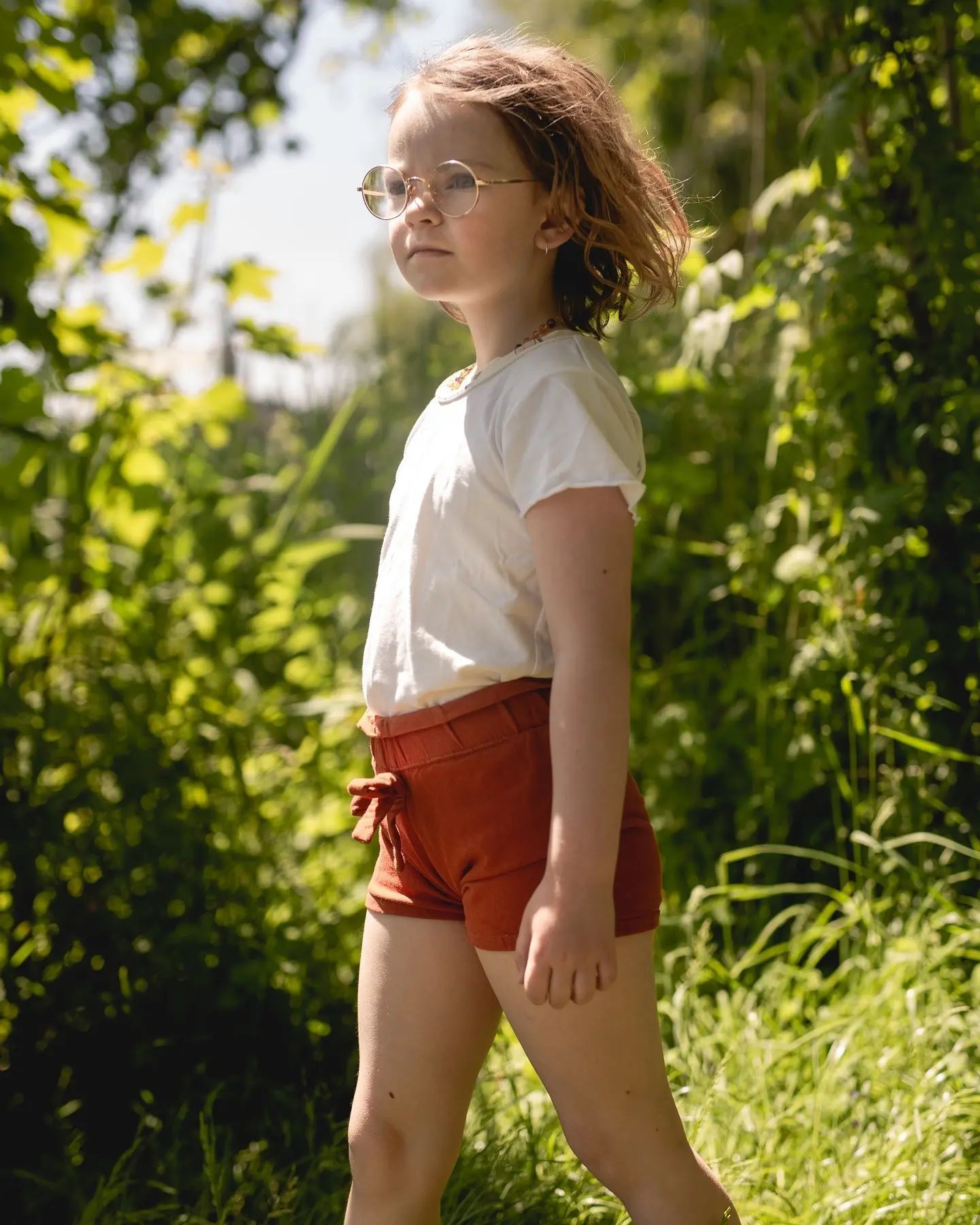
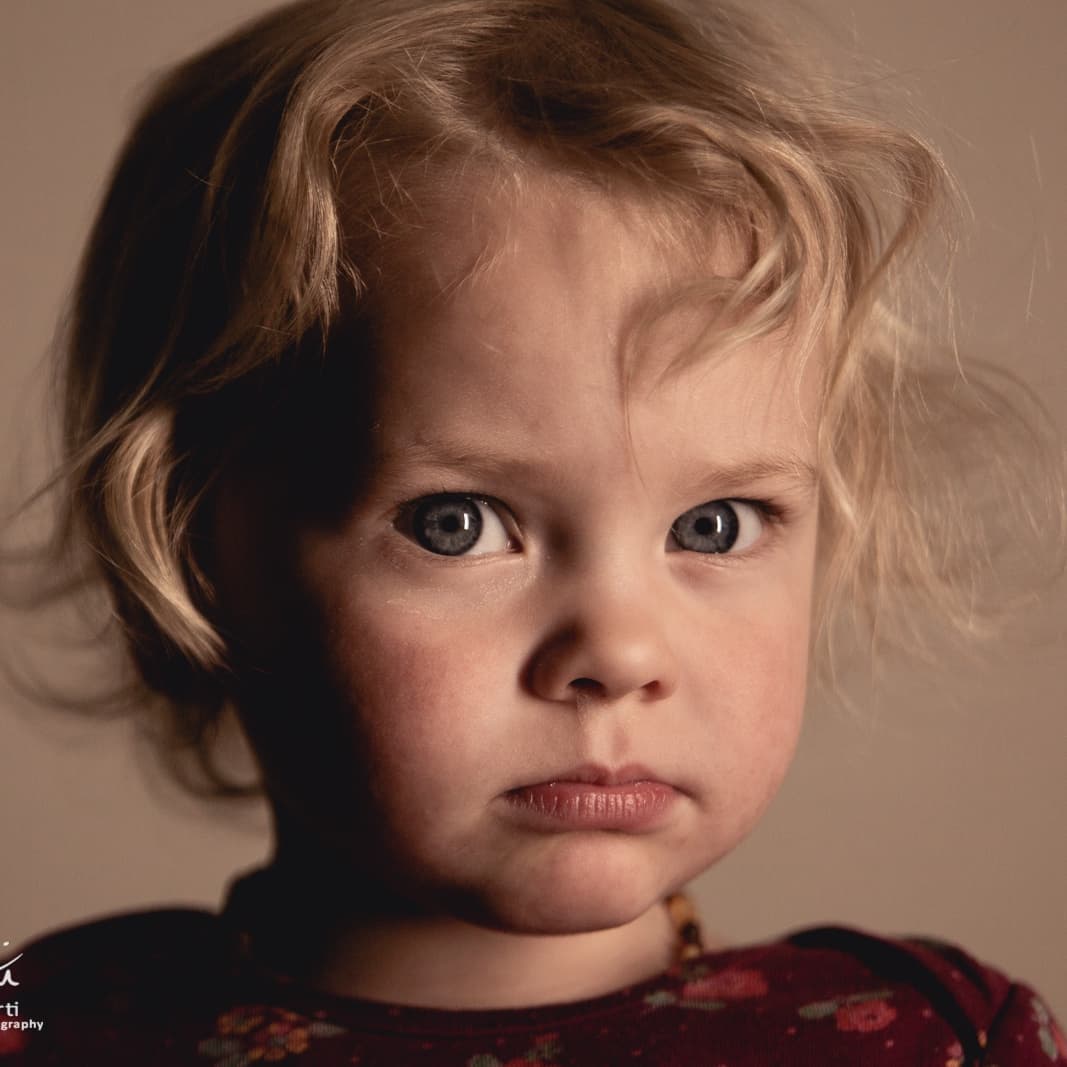 Expressies. Ik verzamel ze. Van micro tot mega expressie. Love it all. Bij kinderen flitsen er vaak per seconde wel 3 tot 4 expressies langs. Dromerig, de verte in starend. Breed uit schaterlachend, rebels vol plannetjes. Boos of verdrietig. Kinderen schakelen razendsnel en voelen vaal alle emoties tegelijkertijd door zich heen schieten.
Soms zeggen ouders teleurgesteld: “nou dat was vast helemaal niets he!?…” Maar absoluut verbijsterd als ze zien wat ik heb kunnen vangen in die paar minuten.
Belangrijkste is dat er geen dwang is. Geen regie. Geen verplichting of druk.
Het komt wel goed. Als je kind van jou zichzelf mag zijn, heb jij straks het mooiste aandenken van het “nu” ooit!
Promise.
Mijn werk is het leukste dat er is!
Kom je ook naar een van de shoot dagen!? Er zijn nog plekjes beschikbaar!!
Fotografie: Jolanda Marti fotografie
[igp-video src=”” poster=”https://wildandboho.com/wp-content/uploads/2022/01/expressies.-ik-verzamel-ze.-van-micro-tot-mega-expressie.-love-it-all.-bij-kinderen-flitsen-er-vaak-.jpg” size=”large”]
Meepraten over dit onderwerp kun je het beste doen op
Instagram: @wildandboho!
Laat een reactie achter onder deze post of onder de instagram post van deze blogpost.
Deze blogpost kun je hieronder terugvinden op mijn Instagram page en klik vooral op de “volg” button om op de hoogte te blijven van al mijn nieuwe blogposts!
[igp-embed url=”https://www.instagram.com/p/CYUNtfNIHSt/embed/” width=”612″ height=”710″]
Deel deze blogpost
[supsystic-social-sharing id=’1′]
You might also like to read:
[related-posts-thumbnails]
dec 31, 2021
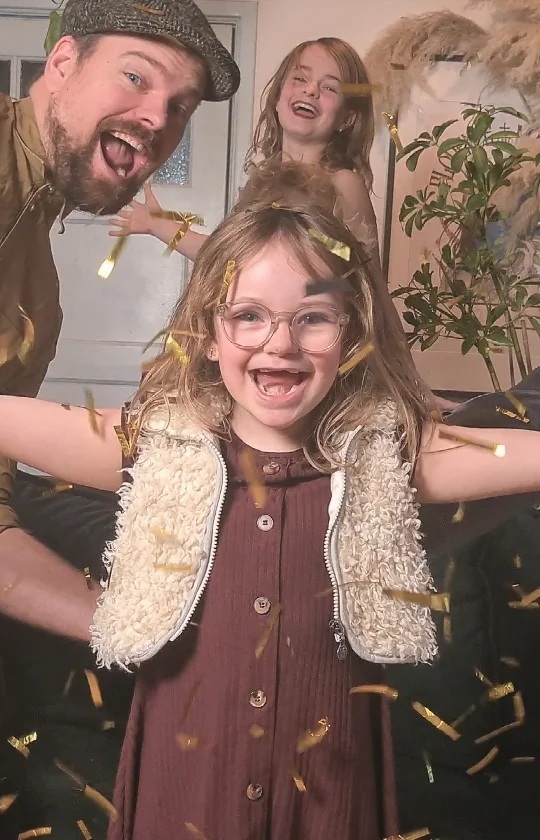 En traditie getrouw! Happy 2022 van ons!! 🥂🍾🥂🍾
Fotografie: Jolanda Marti fotografie
[igp-video src=”https://wildandboho.com/wp-content/uploads/2021/12/en-traditie-getrouw-happy-2022-van-ons-🥂🍾🥂🍾.mp4″ poster=”https://wildandboho.com/wp-content/uploads/2021/12/en-traditie-getrouw-happy-2022-van-ons-🥂🍾🥂🍾.jpg” size=”large”]
Meepraten over dit onderwerp kun je het beste doen op
Instagram: @wildandboho!
Laat een reactie achter onder deze post of onder de instagram post van deze blogpost.
Deze blogpost kun je hieronder terugvinden op mijn Instagram page en klik vooral op de “volg” button om op de hoogte te blijven van al mijn nieuwe blogposts!
[igp-embed url=”https://www.instagram.com/tv/CYJ7ZXkKOsq/embed/” width=”612″ height=”710″]
Deel deze blogpost
[supsystic-social-sharing id=’1′]
You might also like to read:
[related-posts-thumbnails]
dec 30, 2021
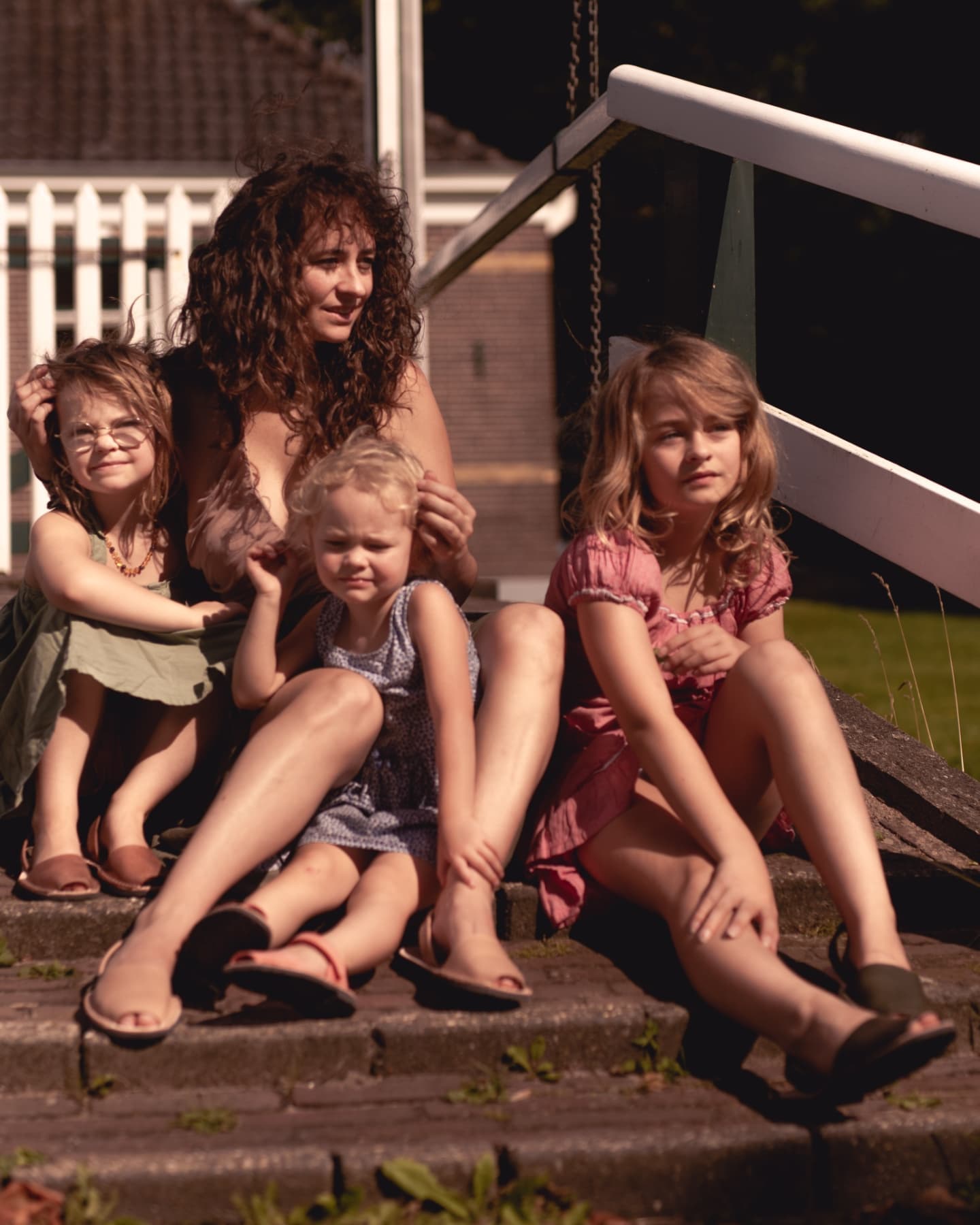 2021 was voor ons chaotisch. Een schakelpunt waarin we ons met een hoop groeipijnen verschillende knopen hebben doorgehakt. We moesten keuzes maken in een rare situatie. We hebben geweldige momenten meegemaakt, maar ook enorme tegenslagen geïncasseerd. Hoge pieken diepe dalen
-We verloren onze lieve poes aan de vrieskou.
-We maakten flinke sprongen vooruit in de verbouwing!
-We redden een baby pulletje, en brengen het groot
-Ik ontdekte dat Rolschaatsen de shit is!
-We kregen er twee kleine pluizige huisgenootjes bij!
-We gingen suppen met onze
-De halve zomer regende het dus de verbouwing liep behoorlijke vertraging op en we hebben te veel binnen gezeten.
-Nergens binnen te komen zonder blokjes-code/test terwijl iedereen met inenting lekker de boel liep te verspreiden.
-De trouwbranche ligt op z’n gat.
-Michiel is in vaste dienst gegaan bij een mooi bedrijf.
-Een van mijn externe harde schijfjes crashte, ik raakte 2 jaar aan telefoonfoto’s kwijt die ik (DOM) nergens anders ge-backupt op had staan. (De druppel) Mentaal gecrasht en ruim 2 maanden lopen janken. (Vandaar bijna niet online geweest)
-Veel rust genomen en langzaam aan het opkrabbelen. CBD helpt. Weinig online dus.
-We besloten binnen 2 maanden te trouwen. Life is too fucking short! We willen de mooie dingen in het leven niet langer op pauze zetten. En hebben dus ook de hele handel ook binnen 2 maanden geregeld. BAM!
-Vrijgezellen feestjes gehad tot mijn grote verbazing! We hebben echt de liefste vrienden en familie ter wereld!
-Getrouwd met !!! (Net optijd, de dag erna was de lockdown)
-De pui die een maand geleden geleverd zou worden komt niet meer. De leverancier is failliet en we zijn onze aanbetaling kwijt! 🤬 druk opzoek naar een oplossing.
-En we hebben heerlijke feestdagen gehad! Haardvuurtjes gebrand. Onder dekentjes gezeten. Films gekeken. Gespeeld en geknuffeld.
We hebben 2021 overleefd.
2022 mag wel een beetje milder voor ons zijn vind ik.
Super hyped om mijn fotografie weer op te pikken. En dan vooral het soort fotografie waar ik op dit moment heel blij van word. (Last slide)
Hoe was jou jaar? Was 2021 een beetje lief voor jullie!?
Fotografie: Jolanda Marti fotografie
[igp-video src=”” poster=”https://wildandboho.com/wp-content/uploads/2021/12/2021-was-voor-ons-chaotisch.-een-schakelpunt-waarin-we-ons-met-een-hoop-groeipijnen-verschillende-kn.jpg” size=”large”]
Meepraten over dit onderwerp kun je het beste doen op
Instagram: @wildandboho!
Laat een reactie achter onder deze post of onder de instagram post van deze blogpost.
Deze blogpost kun je hieronder terugvinden op mijn Instagram page en klik vooral op de “volg” button om op de hoogte te blijven van al mijn nieuwe blogposts!
[igp-embed url=”https://www.instagram.com/p/CYH0R5grYo-/embed/” width=”612″ height=”710″]
Deel deze blogpost
[supsystic-social-sharing id=’1′]
You might also like to read:
[related-posts-thumbnails]
dec 11, 2021
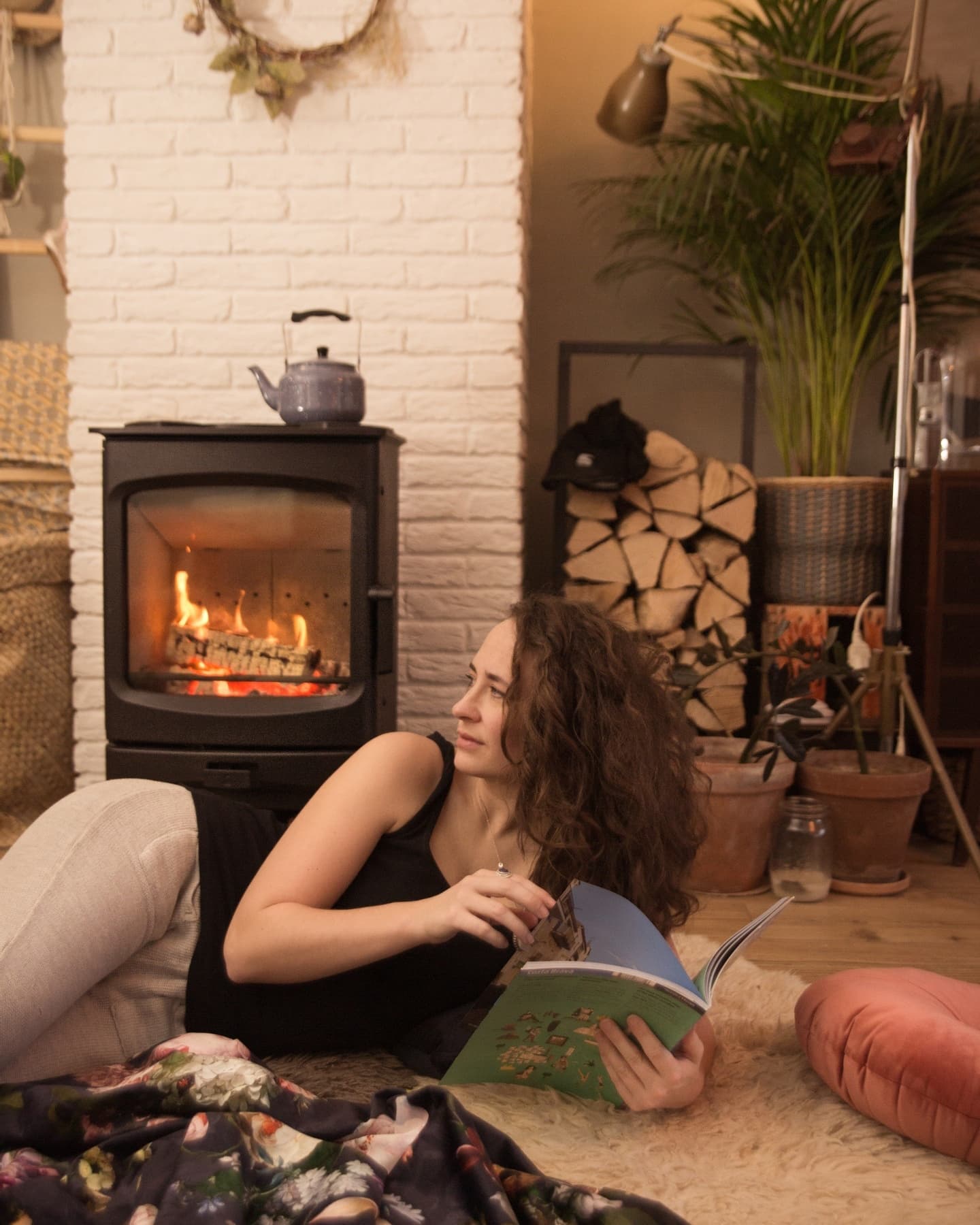
Maatregelen stoelendans van 2021. De afgelopen maanden mochten een hoop dingen weer op gang komen in de samenleving. En nu bleek ik nogal moeite te hebben met alle stappen en handelingen die komen kijken bij het bezoeken van plekken die niet meer binnen mijn routine van de afgelopen 1,5 jaar vallen. Ik ben hele normale dingen compleet ontwend.
Voordat ik de deur uitga neem ik elke stap en handeling door in mijn hoofd (niet vergeten tassen en portemonnee mee te nemen, navigatie aan, parkeren(waar?), tassen mee, parkeergeld betalen(niet vergeten!) telefoon opgeladen mee!, winkelkar-muntje niet vergeten, mondkapje mee… enz. enz.)
Hetgeen wat ik ga ondernemen een enorme berg te beklimmen lijkt. Naderhand kom ik met een tollend hoofd weer terug thuis van alle drukte, ontsmettingsmiddel bij elke ingang, mondkapjes, mensen, 1,5m en commotie.
Een raar ding. Anderhalf jaar in mijn “comfort-zone blijkt niet het beste idee van Nederland. Dingen waarvan ik voorheen nooit had gedacht te beschouwen als “uit mijn comfortzone” ervaar ik nu als way too much.
Net nu ik weer voorzichtig begon te wennen aan het onder de mensen zijn, gaat de wereld voor een deel voor ons opnieuw op slot, wat op z’n minst frustrerend is. Vooral omdat alle maatregelen in mijn ogen niet meer te verantwoorden zijn. Het doel lijkt voornamelijk het uitoefenen van druk op een kleine groep mensen. De neiging om terug mijn hol in te kruipen ver weg van al deze ellende word toch weer groter.
Het overdekt kunnen sporten op een plek uit de kou in in de wintermaanden, ergens onderweg iets te kunnen eten met het gezin, kinderfeestje van Miley bijwonen in de skateboardzaal. Wat een bizarre sensatie. Er gaan een hoop emoties door mij heen.
We horen het nieuws op de radio: Prikken voor kinderen vanaf 5 jaar. Met daarbij de info dat een zeer klein aantal kinderen van deze leeftijddsgroep een ontsekingsreactie van de prik kan krijgen waardoor ze op de IC belanden. Holy shit.
30 min. Later horen we opnieuw het nieuws op de radio. Weer hetzelfde bericht, maar ditmaal is dat laatste stukje info weggelaten. What the…!? Wat gebeurt er?
Kinderen worden niet ernstig ziek van corona, en een (zeer) kleine groep zal op de IC belanden door deze prik. Wat!?!? Ik snap deze afweging dus echt niet.
Hoe kan de veiligheid en gezondheid van het infividuele kind ondergeschikt zijn aan de gezondheid van een groep volwassenen!?
Ik probeer de tegendraadse neigingen weg te filteren en daarbij de situatie blijven beoordelen zonder beïvloeding van het gevoel om onze vrijheid terug te willen hebben. Ik wil na kunnen gaan en af kunnen wegen wat mij écht het beste lijkt voor mezelf en mijn gezin. Het gevoel te schipperen tussen twee kwaden met nog te weinig concrete antwoorden.
Ik geef mezelf elke dag opnieuw de kans om van mening te veranderen. Mezelf de gelegenheid te luisteren naar de experts en niet te gaan lopen googelen omdat er een hoop onzin geroepen word op het web. Maar tot nu toe is dat nog niet gebeurd, ik ben niet overtuigd van welke weg de beste is om te bewandelen. En zolang ik twijfel, doe ik niets. Wellicht komt dat moment nog ergens komende weken/maanden. Misschien ook nooit. En dat is ook best.
En die opgelegde “consequenties” voelen als onnodig, manipulatief en als een afstraffing, in plaats van echte veiligheidsmaatregelen die nodig zijn.
Ik vind het een onwerkelijke en verdrietige situatie waarin ondertussen nogsteeds twee kampen lijnrecht tegenover elkaar worden gezet en er blijkbaar geen ruimte is voor twijfel.
Waar zijn we mee bezig?
Fotografie: Jolanda Marti fotografie
[igp-video src=”” poster=”https://wildandboho.com/wp-content/uploads/2021/12/maatregelen-stoelendans-van-2021.-de-afgelopen-maanden-mochten-een-hoop-dingen-weer-op-gang-komen-in.jpg” size=”large”]
Meepraten over dit onderwerp kun je het beste doen op
Instagram: @wildandboho!
Laat een reactie achter onder deze post of onder de instagram post van deze blogpost.
Deze blogpost kun je hieronder terugvinden op mijn Instagram page en klik vooral op de “volg” button om op de hoogte te blijven van al mijn nieuwe blogposts!
[igp-embed url=”https://www.instagram.com/p/CXV0h2AjX30/embed/” width=”612″ height=”710″]
Deel deze blogpost
[supsystic-social-sharing id=’1′]
You might also like to read:
[related-posts-thumbnails]
nov 20, 2021
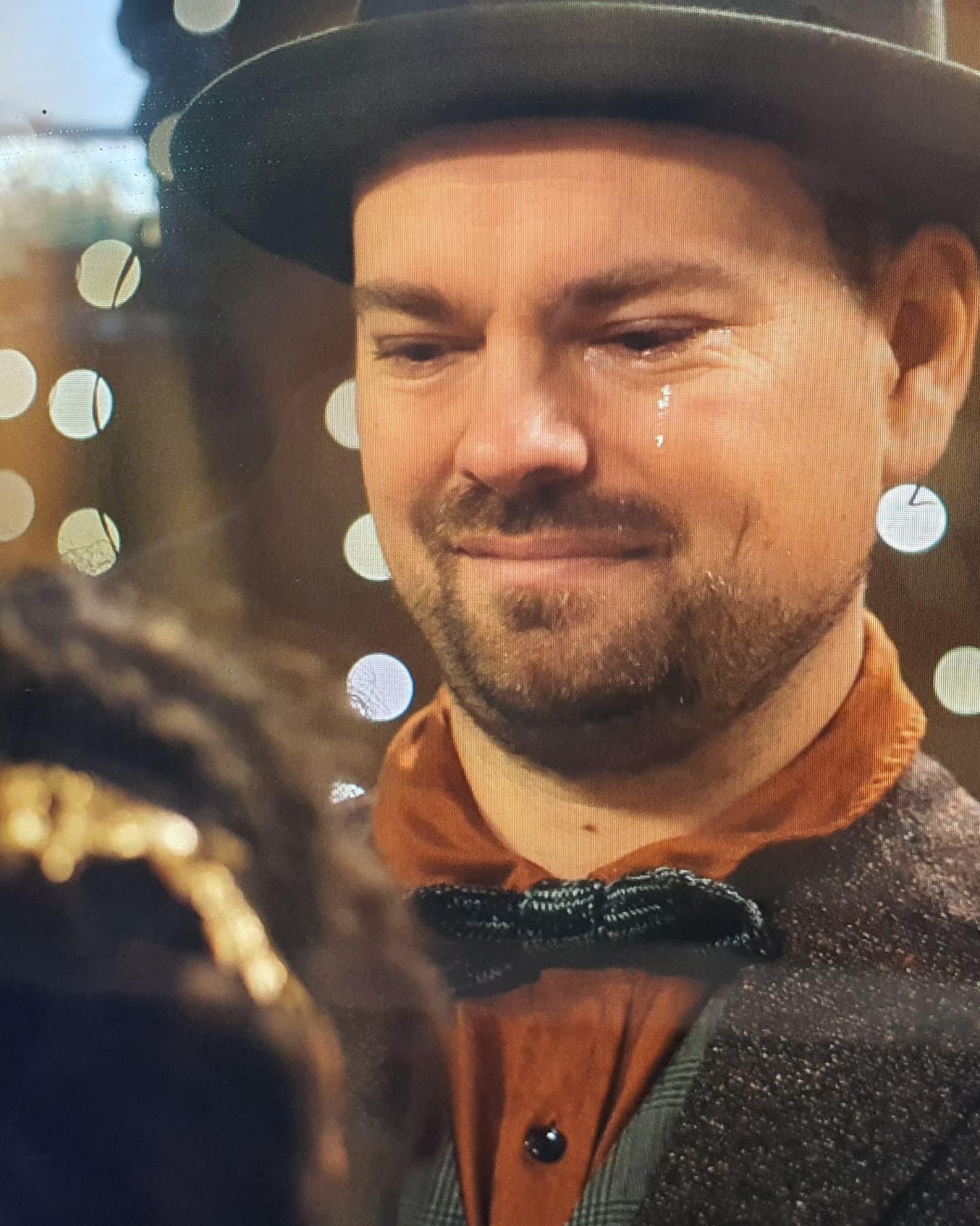
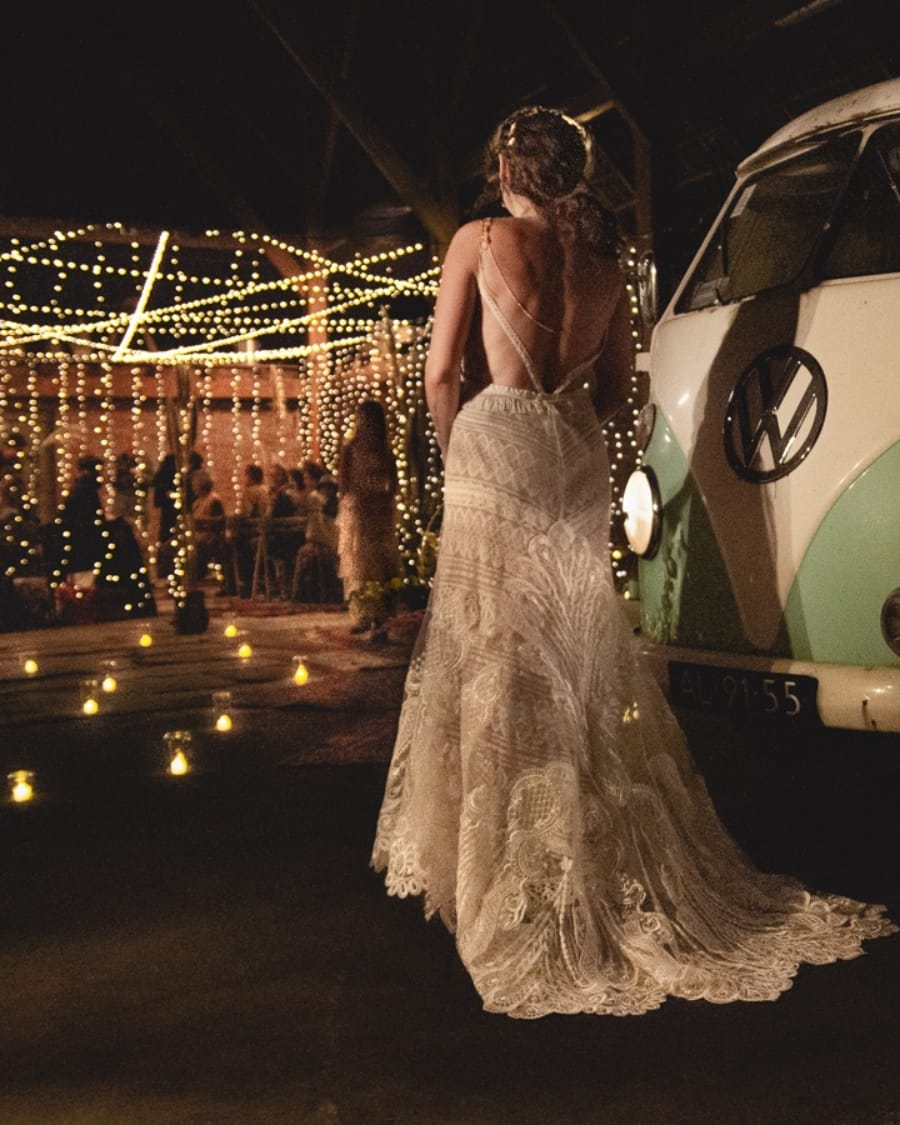
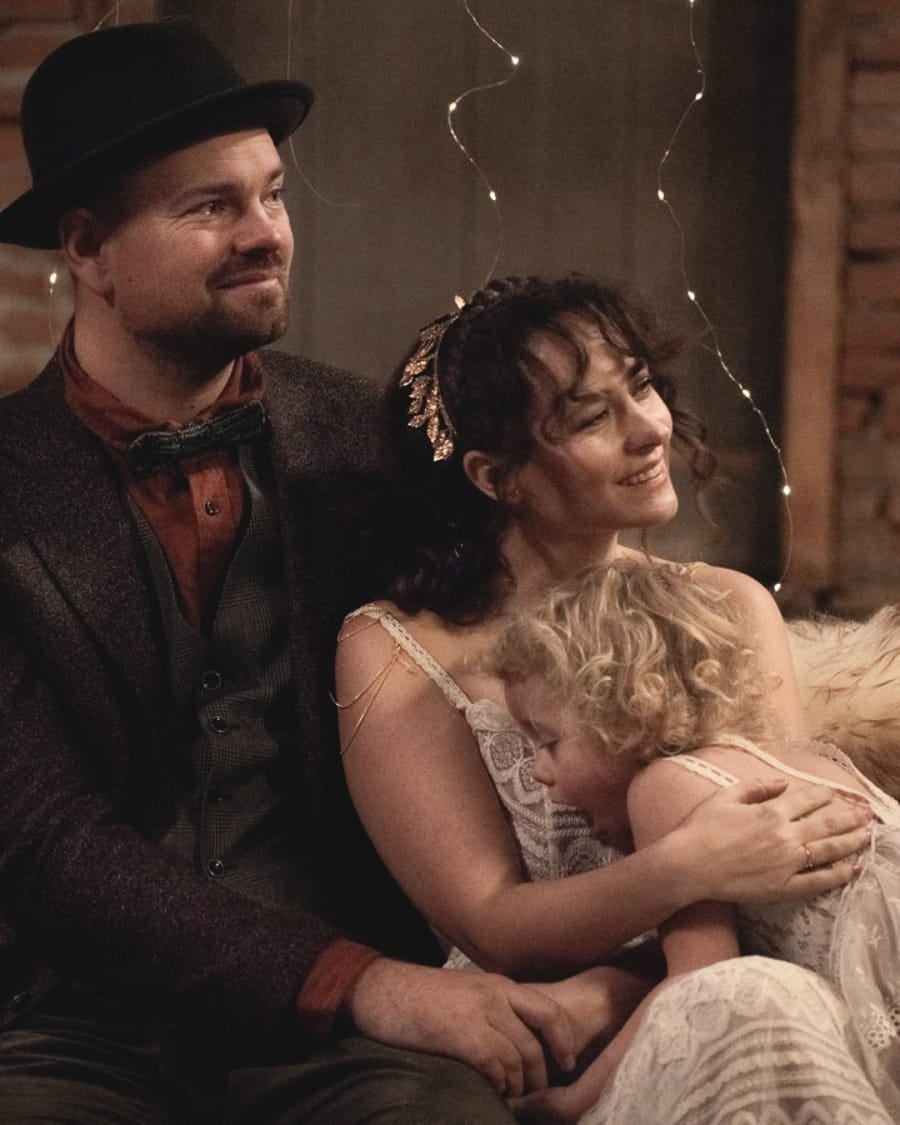
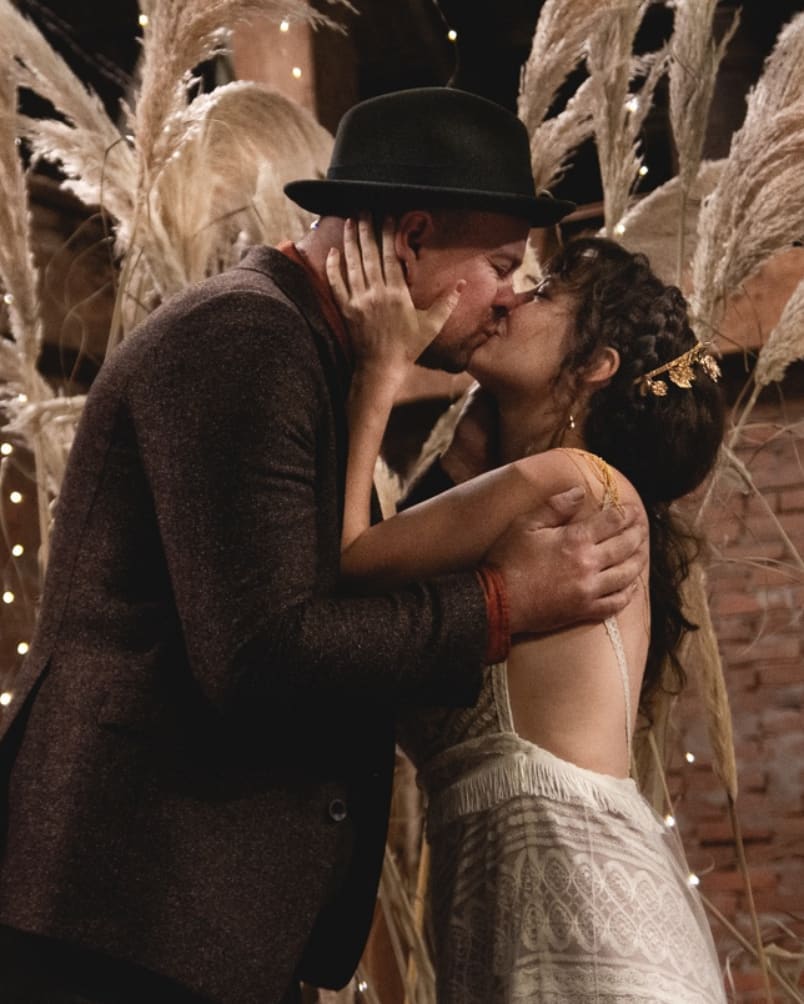 It happend! This is not a drill! We got married! 12•11•21 YAY!
Na 6 jaar plannen, uitstellen, nog eens plannen en weer uitstellen hebben we 2 maanden geleden besloten om te springen zonder lange aanloop.
Niet langer wachten en gewoon gaan!
Precies op het kantelpunt dat we langer “samen” op deze aardbol rondlopen dan alleen. We zijn nu 18 jaar samen. We stromen over van liefde en het was zo mooi. Maar het feest is nog niet helemaal voorbij!
We vieren komend jaar onze 4 seasons wedding.
-Herfst – Ceremonie & diner
-Winter – Shoot
-Lente – Honeymoon
-Zomer – ️ Geloftes, Ringen en Feest!
We hadden 8 weken de tijd om alles te plannen en regelen voor de Ceremonie. Van outfits, uitnodigingen en diner tot gemeente, locatie en styling. Het waren heftige weken maar we made it.
Vorige week vrijdag was het officiële ja-woord, en een diner met een kleine club mensen. Maar nog geen ringen, geloften of feest. Die komen er nog aan komend jaar!
Bewust ben ik offline geweest voor de voorbereiding van onze bruiloft. Foccus naar binnen in plaats van naar buiten. We wilden onze huwelijksceremonie intiem, puur, liefdevol en sprookjesachtig houden. Geen afleidingen, budget vriendelijk en voor dit onderdeel geen samenwerkingen of verplichtingen. Gewoon wij met een klein groepje mensen waar we van houden gemixt met een vleugje magie en verbeelding.
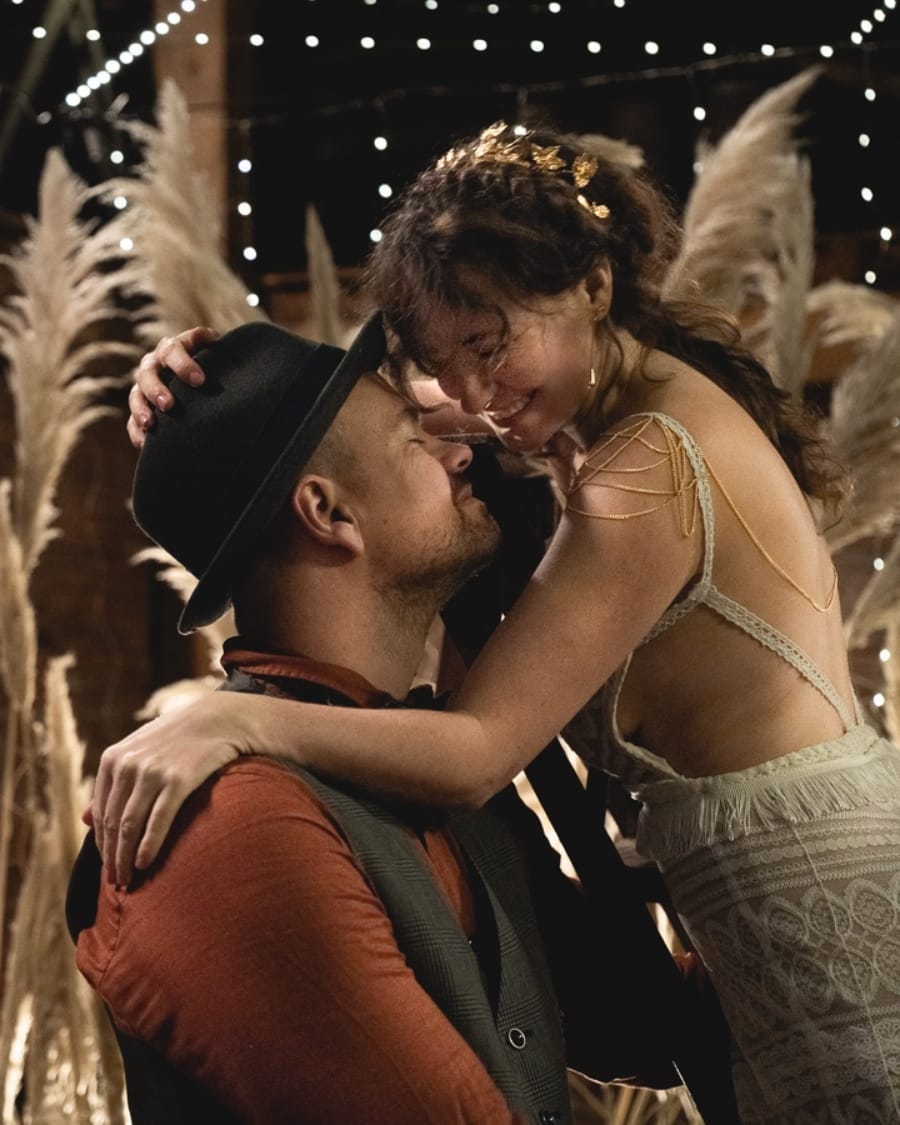
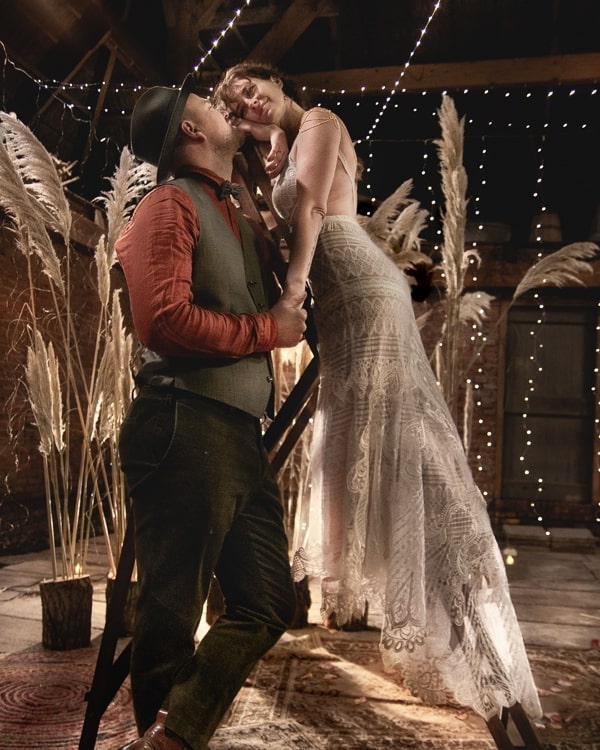
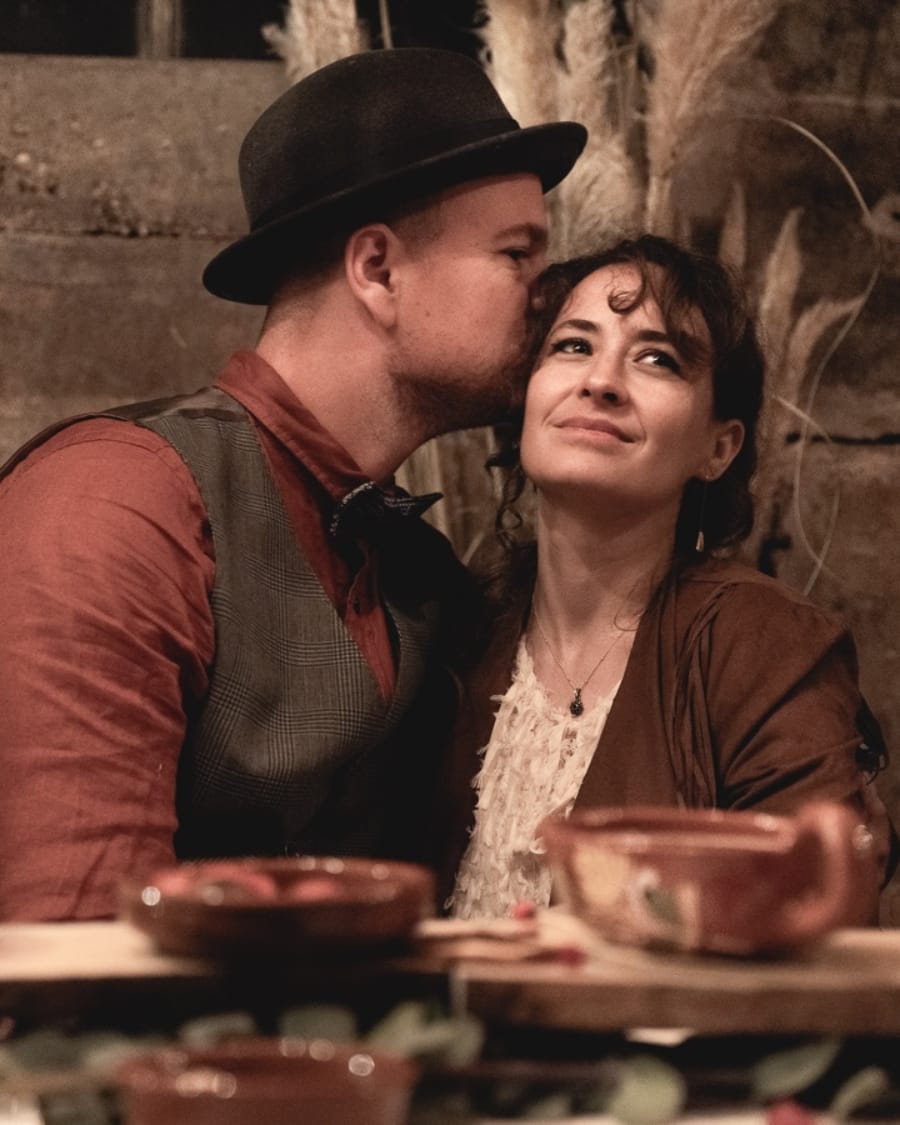
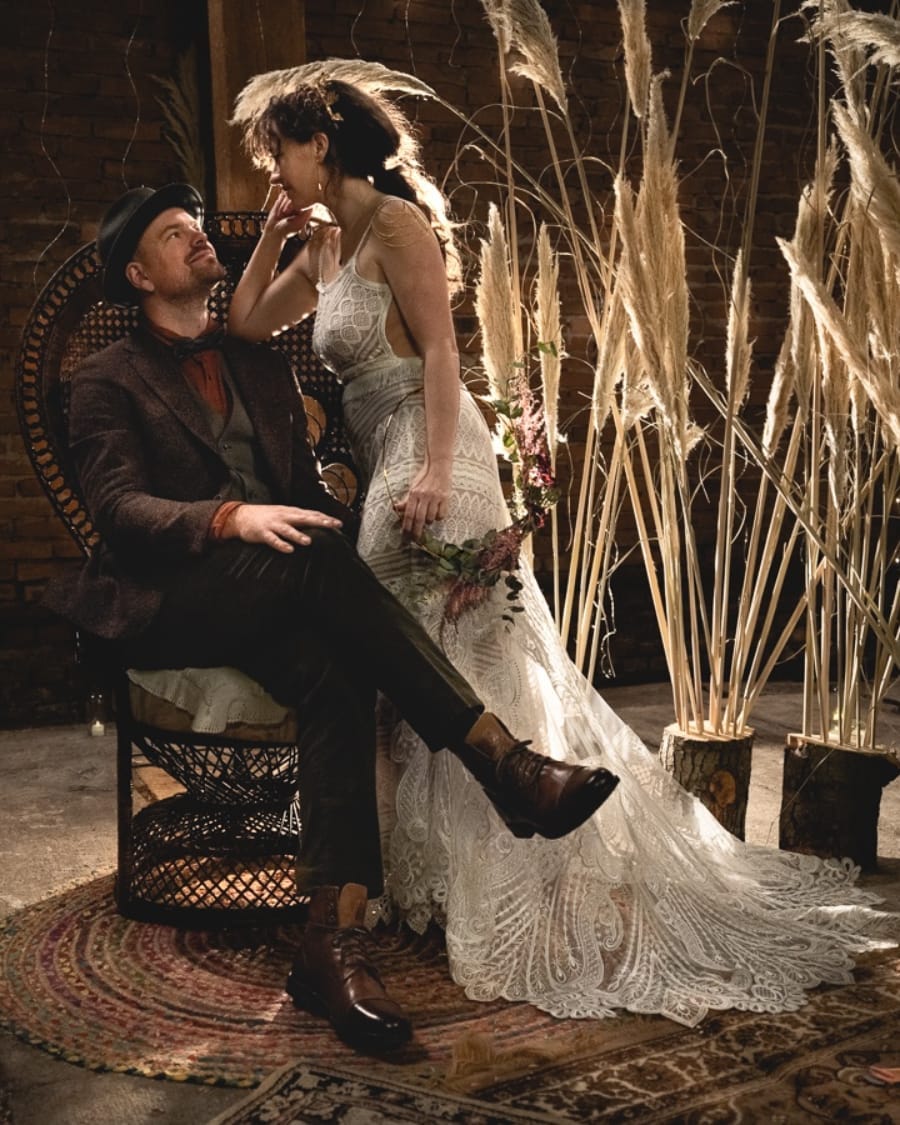
Onze herfst-ceremonie vond plaats tussen een zee van lichtjes, graspluimen, de liefste mensen, tapijtjes en ons gezin vierden we wat we samen met z’n 5jes hebben. We vierden en bevestigen wat ís. Dat we dat elke dag met ons gezin koesteren en al deze liefde geen seconde voor lief nemen. We wilden het vieren en bekronen. Het was prachtig en een beetje frisjes, maar gelukkig konden we ons warmen aan de liefde en de dans-moves tijdens onze 15 minute danceparty. (En er waren dekentjes en heaters haha die hielpen ook wel mee)
Inmiddels hebben we de dag kunnen laten bezinken. De beelden van onze top fotografen & zijn binnen en ik ga aan de slag om een mooi overzichtje te maken op het blog ergens komende tijd.
Anyhow, I’m back! Hoe is het met jullie in deze rare tijden?
Fotografie: Jolanda Marti fotografie
[igp-video src=”” poster=”https://wildandboho.com/wp-content/uploads/2021/11/it-happend-this-is-not-a-drill-we-got-married-12•11•21-yay-na-6-jaar-plannen-uitstellen-nog-eens.jpg” size=”large”]
Meepraten over dit onderwerp kun je het beste doen op
Instagram: @wildandboho!
Laat een reactie achter onder deze post of onder de instagram post van deze blogpost.
Deze blogpost kun je hieronder terugvinden op mijn Instagram page en klik vooral op de “volg” button om op de hoogte te blijven van al mijn nieuwe blogposts!
[igp-embed url=”https://www.instagram.com/p/CWgtcAjL30F/embed/” width=”612″ height=”710″]
Deel deze blogpost
[supsystic-social-sharing id=’1′]
You might also like to read:
[related-posts-thumbnails]
sep 7, 2021
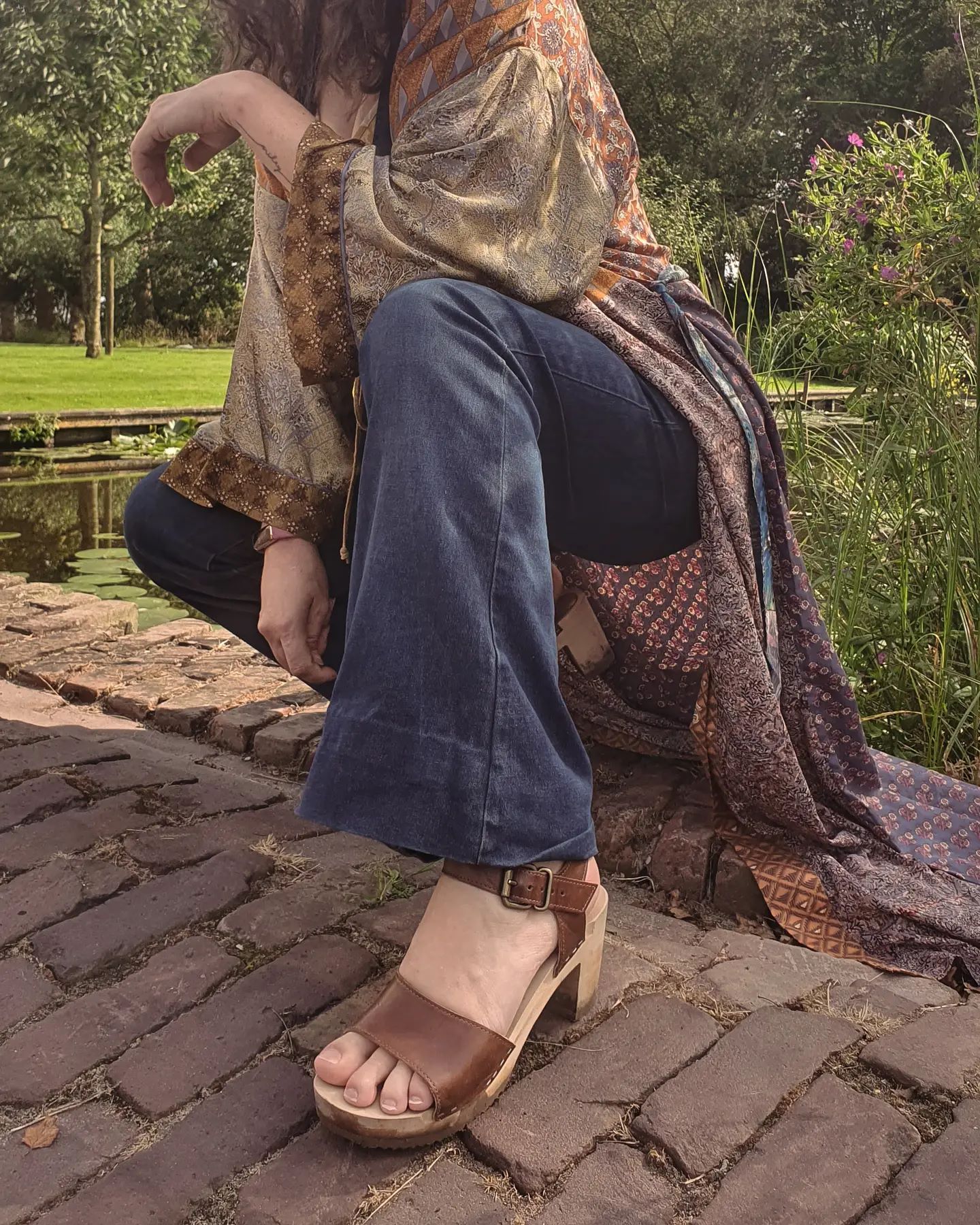
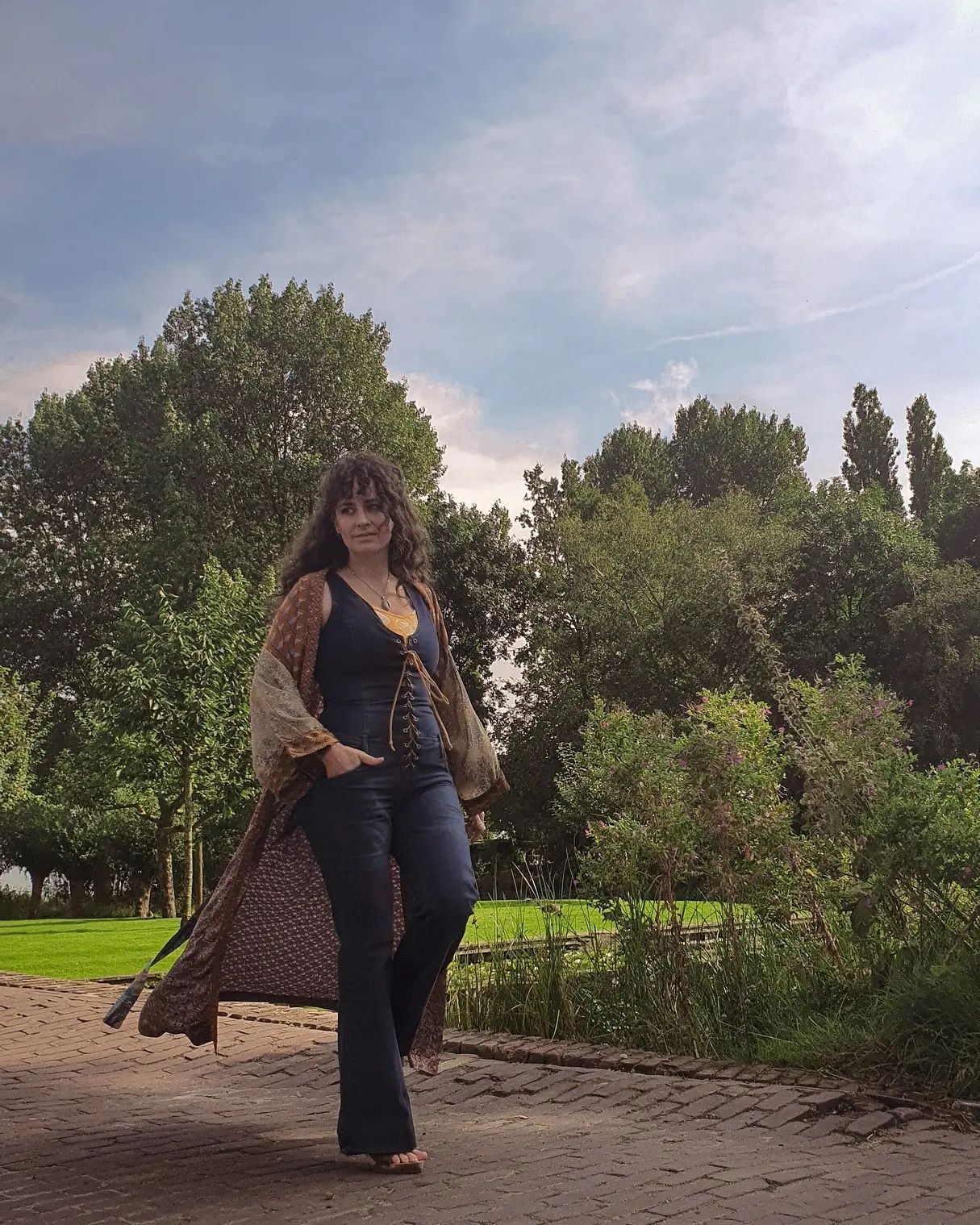
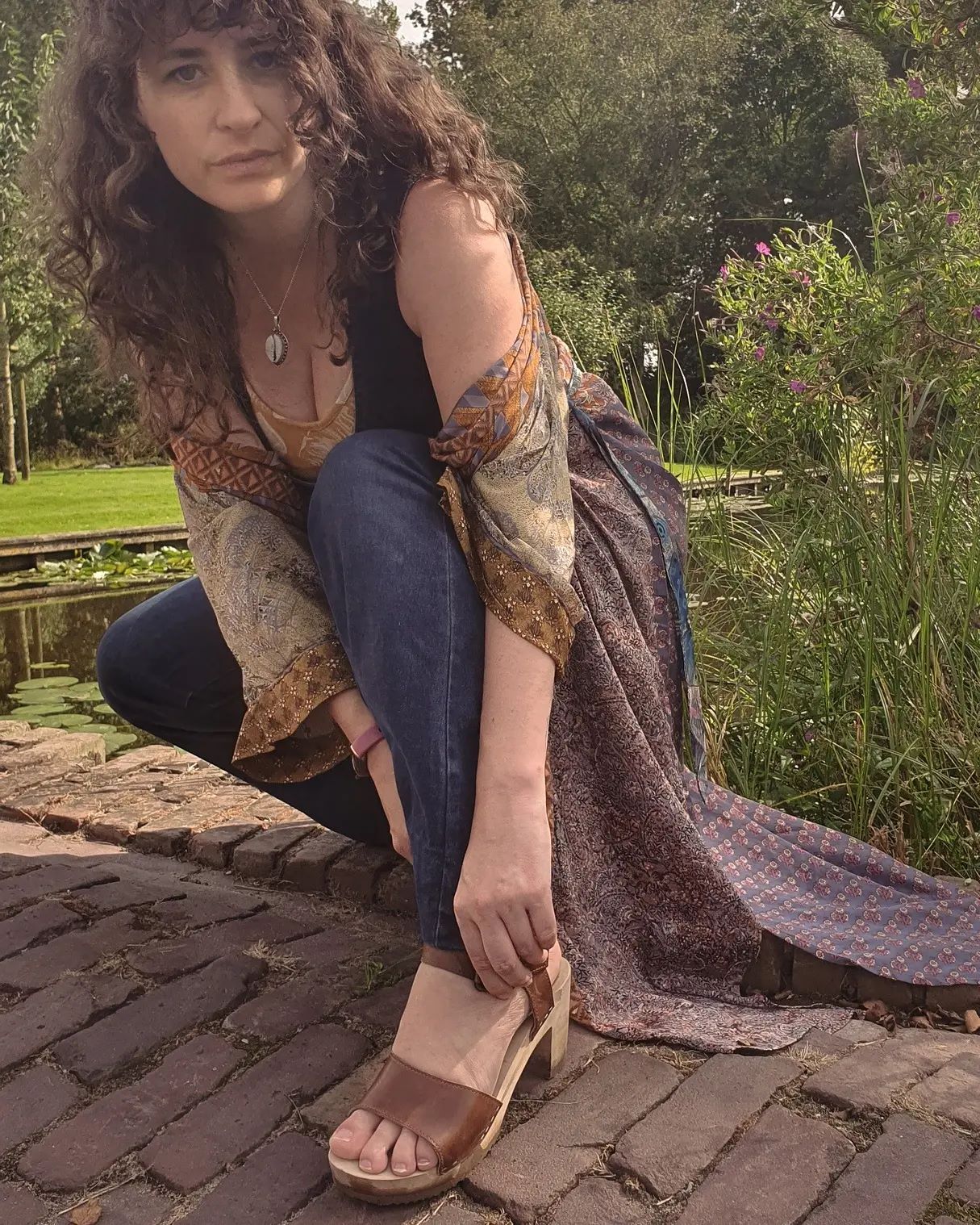
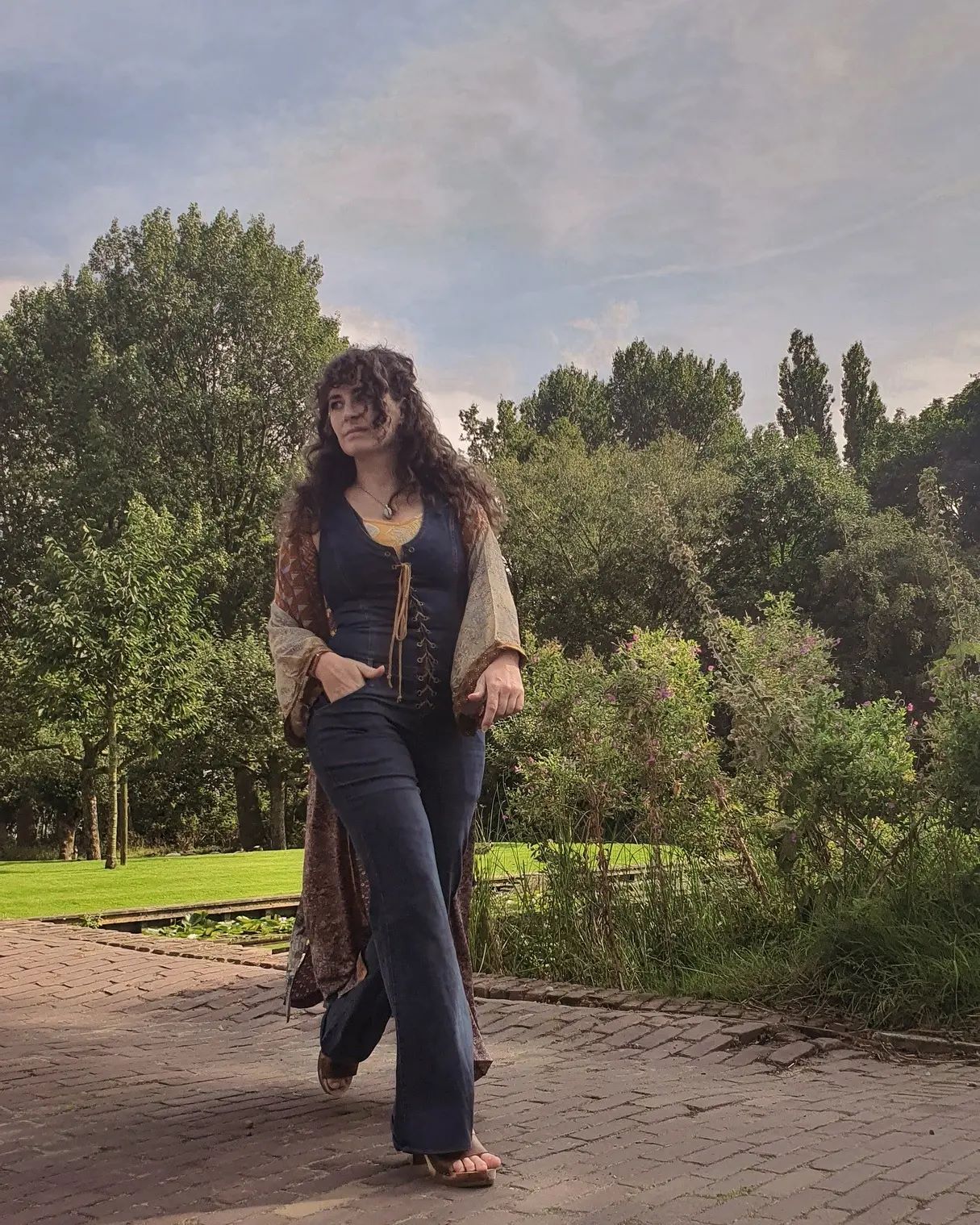
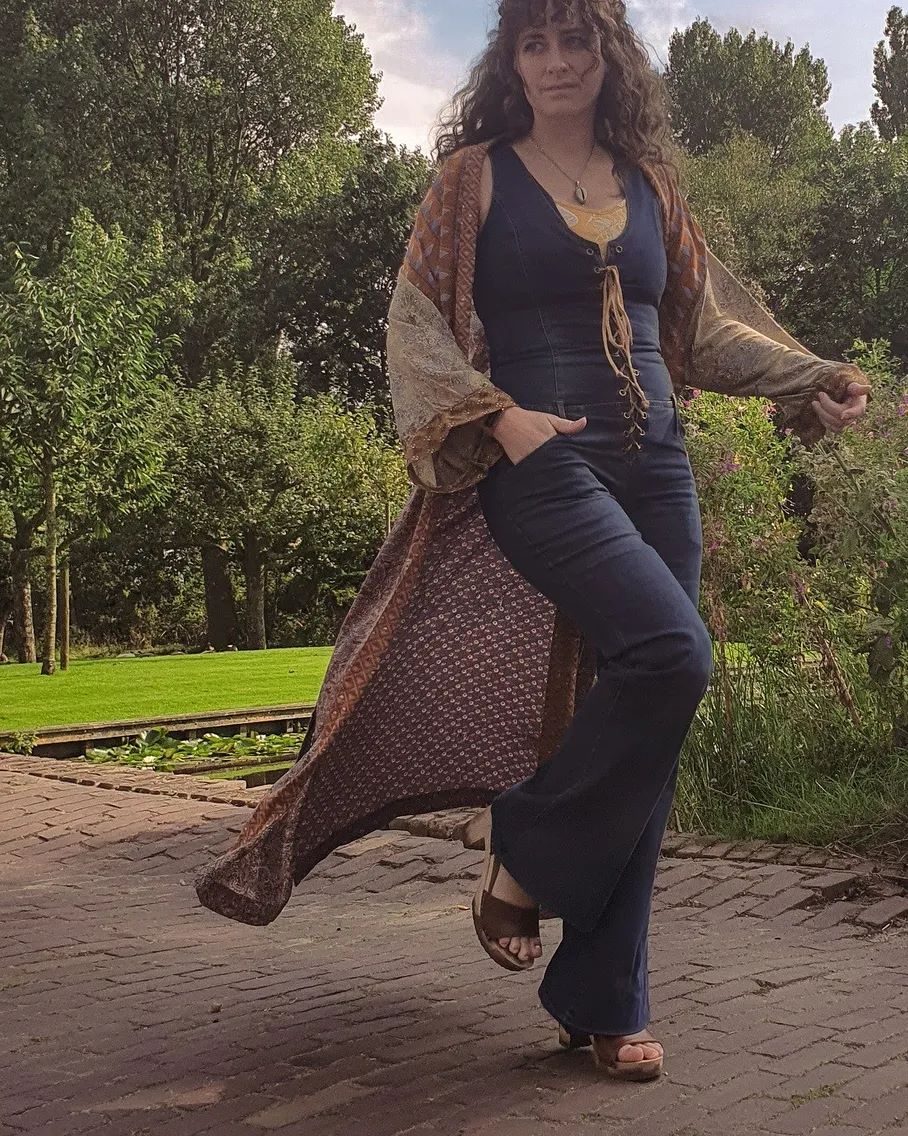
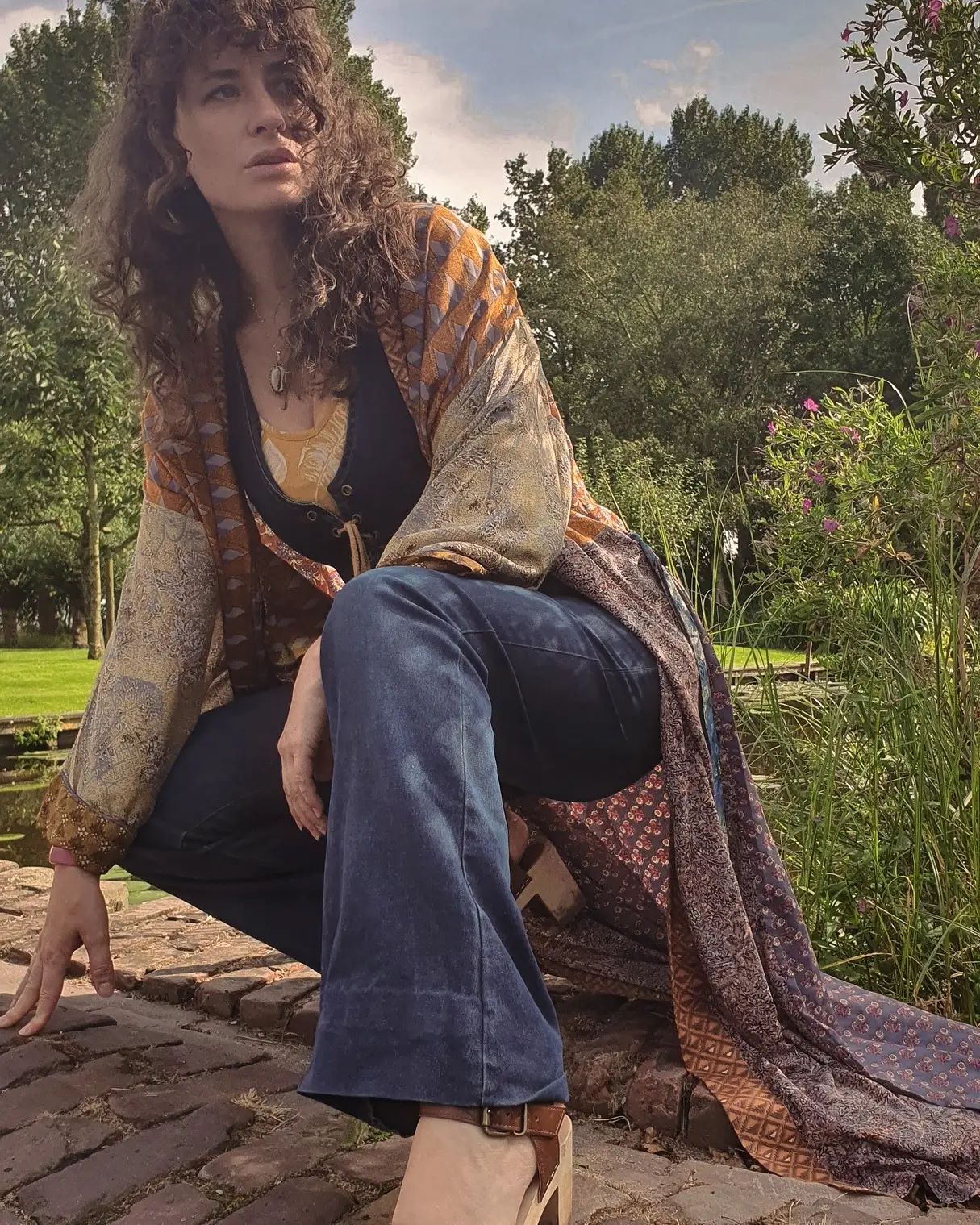 Ik werd super vrolijk van deze sustainable outfit! : Twee kledingstukken die ik deze zomer welke week wel meerdere keren draag, plus een kledingstuk die al ruim 10 jaar in de kast ligt te wachten tot het weer eens aan kon trekken. En ik had besloten dat vandaag die dag was.
Mode is een gek dingetje. Wacht maar lang genoeg dan word het vanzelf opnieuw mode. En gelukkig had ik’m niet voor niets bewaard. Wijde pijpen zijn terug. Mode 2021 is geïnspireerd door de jaren 90, met daarin sporen van de jaren 70, met daarin sporen van de jaren 20. En ga zo maar door.
Deze jumpsuit heb ik 18 jaar geleden aangeschaft en behoorlijk stretchy dus die ging nog aan tot mijn verbazing. Wie wat bewaard heeft wat he!?
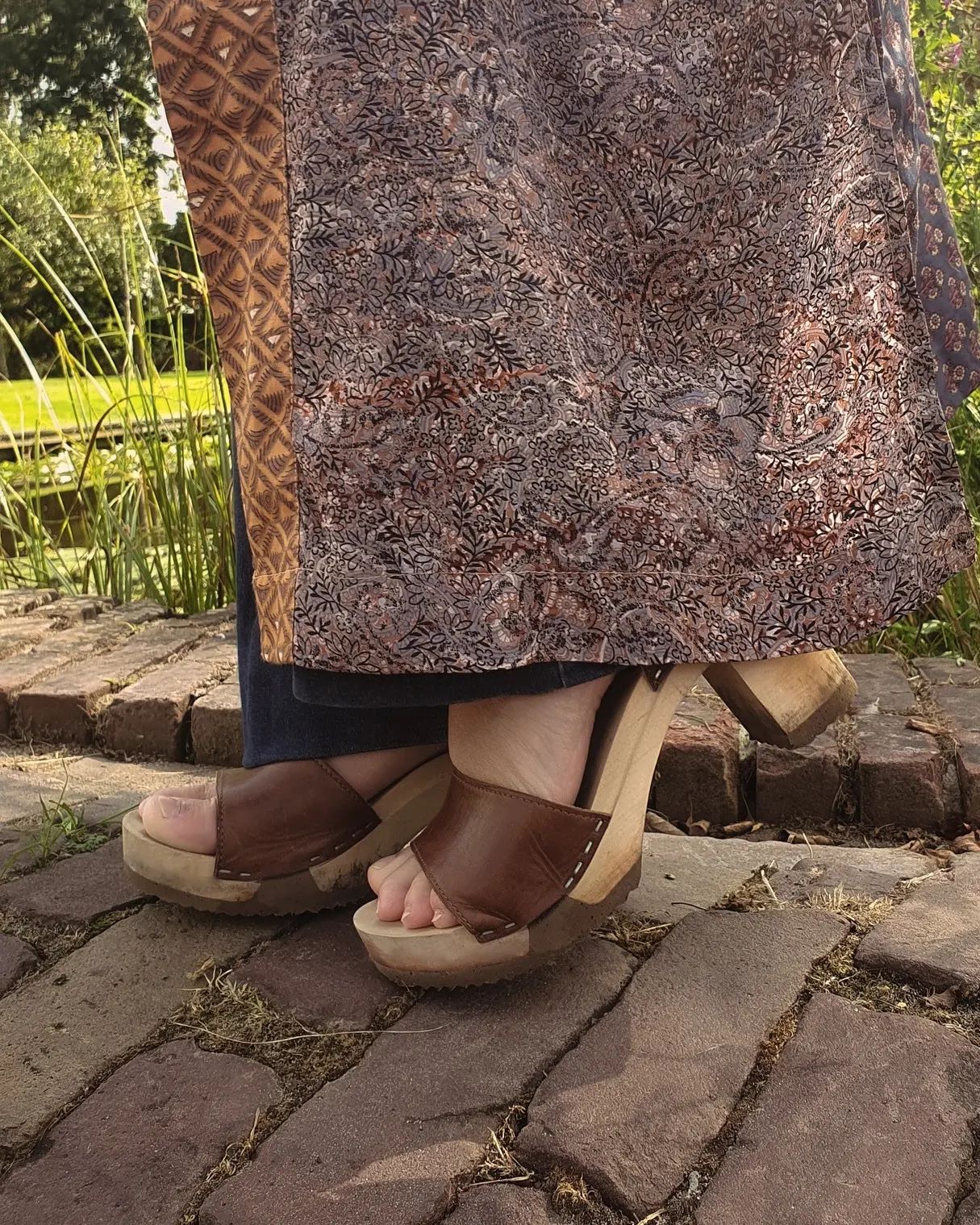
Deze heb ik serieus heel veel op gelopen deze zomer. En dat kun je zien aan de zool. Niet heel schoon meer, maar dat is dus het ultieme bewijs dat ze echt heerlijk lopen.
En mijn favo vest is natuurlijk van van maar voor wie mij langer volgt wist dat waarschijnlijk al wel inmiddels.
P.s. voor de liefhebbers: De zomercolectie van is nu in de sale met 15% korting met de code: clewoo15
Heb jij nog kleding van meer dan 10 jaar geleden in de kast liggen wachtend op een comeback!? Of ben ik de enige gek die zoiets doet!?
Fotografie: Jolanda Marti fotografie
[igp-video src=”” poster=”https://wildandboho.com/wp-content/uploads/2021/09/ik-werd-super-vrolijk-van-deze-sustainable-outfit-twee-kledingstukken-die-ik-deze-zomer-welke-week-w.jpg” size=”large”]
Meepraten over dit onderwerp kun je het beste doen op
Instagram: @wildandboho!
Laat een reactie achter onder deze post of onder de instagram post van deze blogpost.
Deze blogpost kun je hieronder terugvinden op mijn Instagram page en klik vooral op de “volg” button om op de hoogte te blijven van al mijn nieuwe blogposts!
[igp-embed url=”https://www.instagram.com/p/CThwrNcDmJU/embed/” width=”612″ height=”710″]
Deel deze blogpost
[supsystic-social-sharing id=’1′]
You might also like to read:
[related-posts-thumbnails]
sep 4, 2021
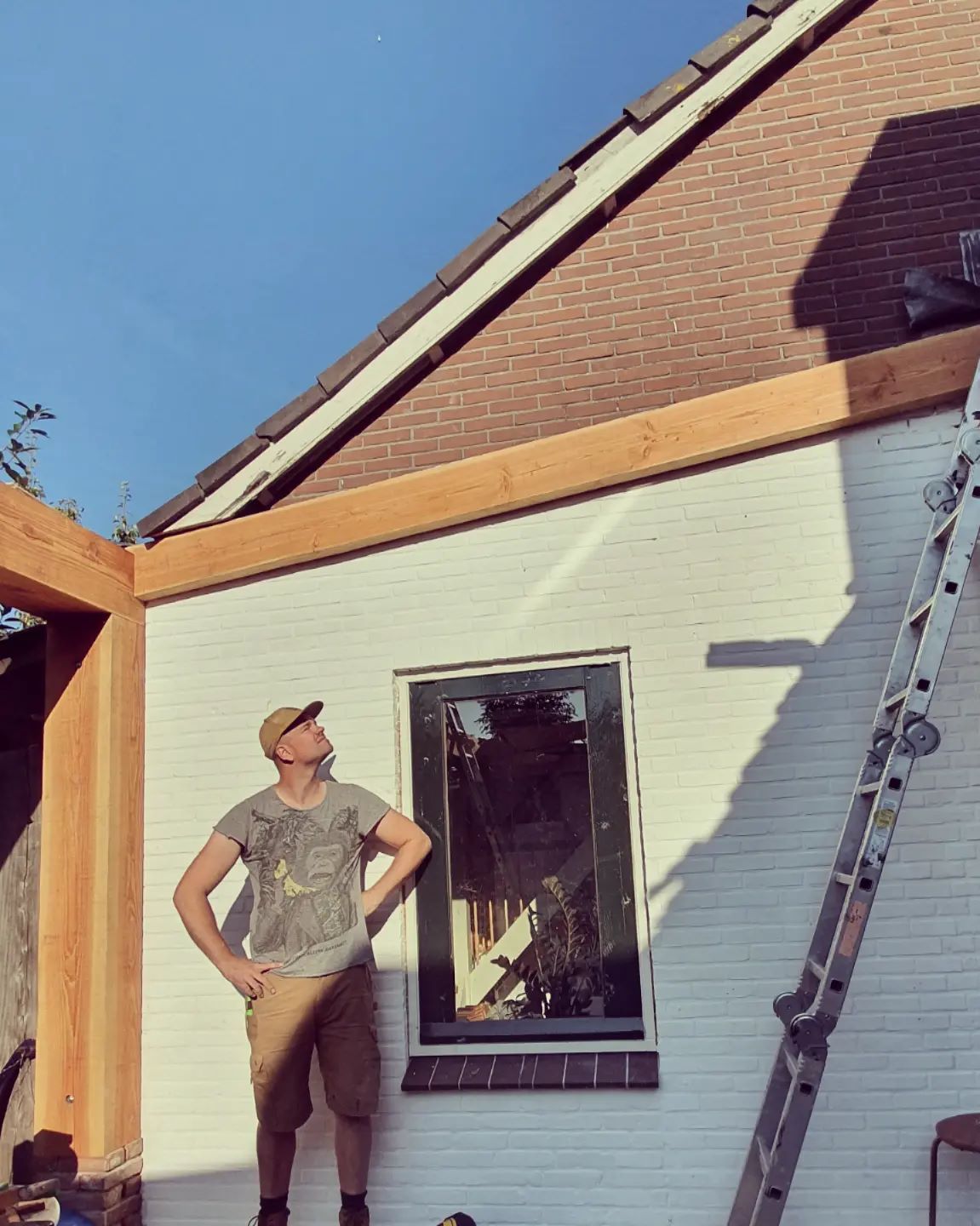
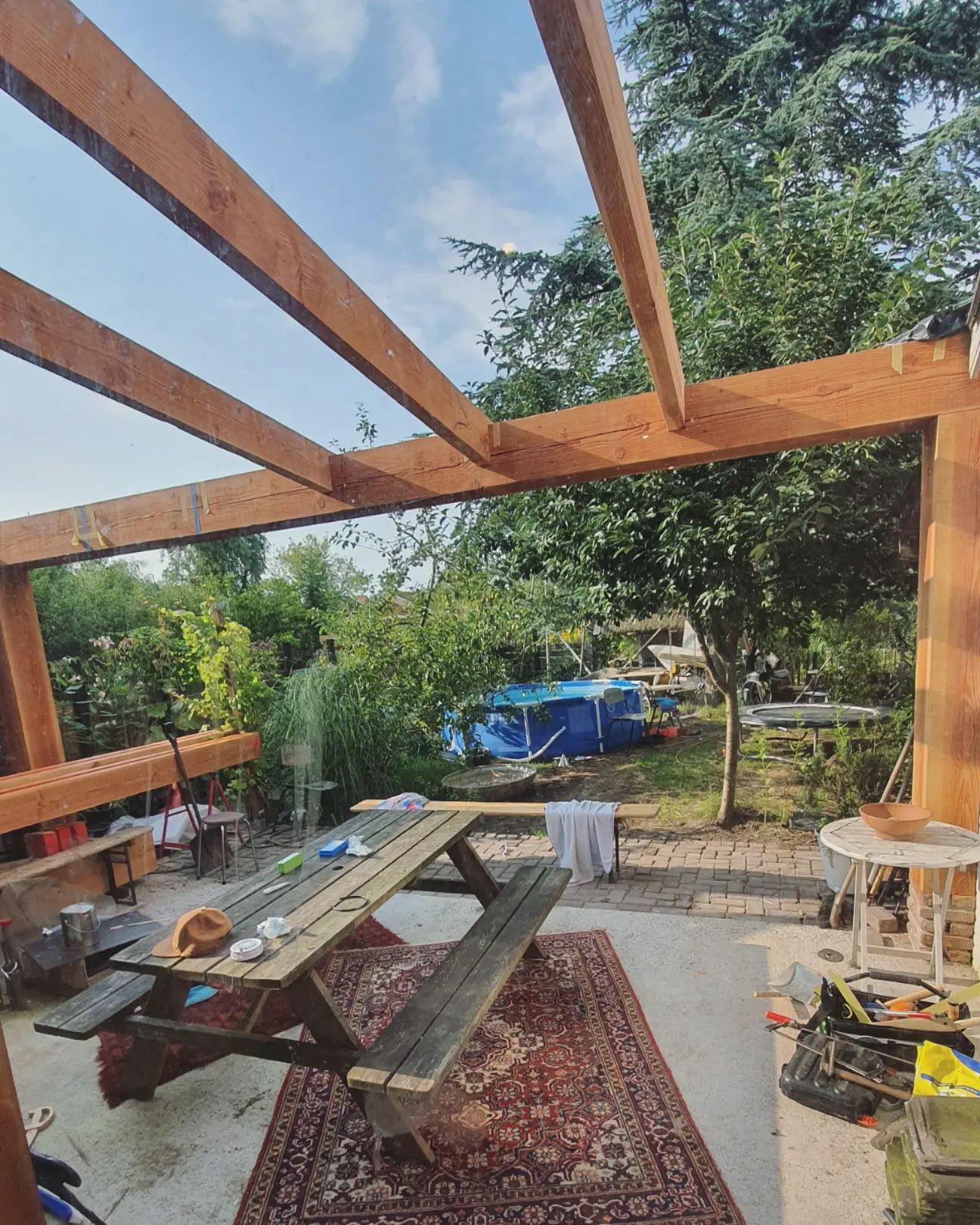
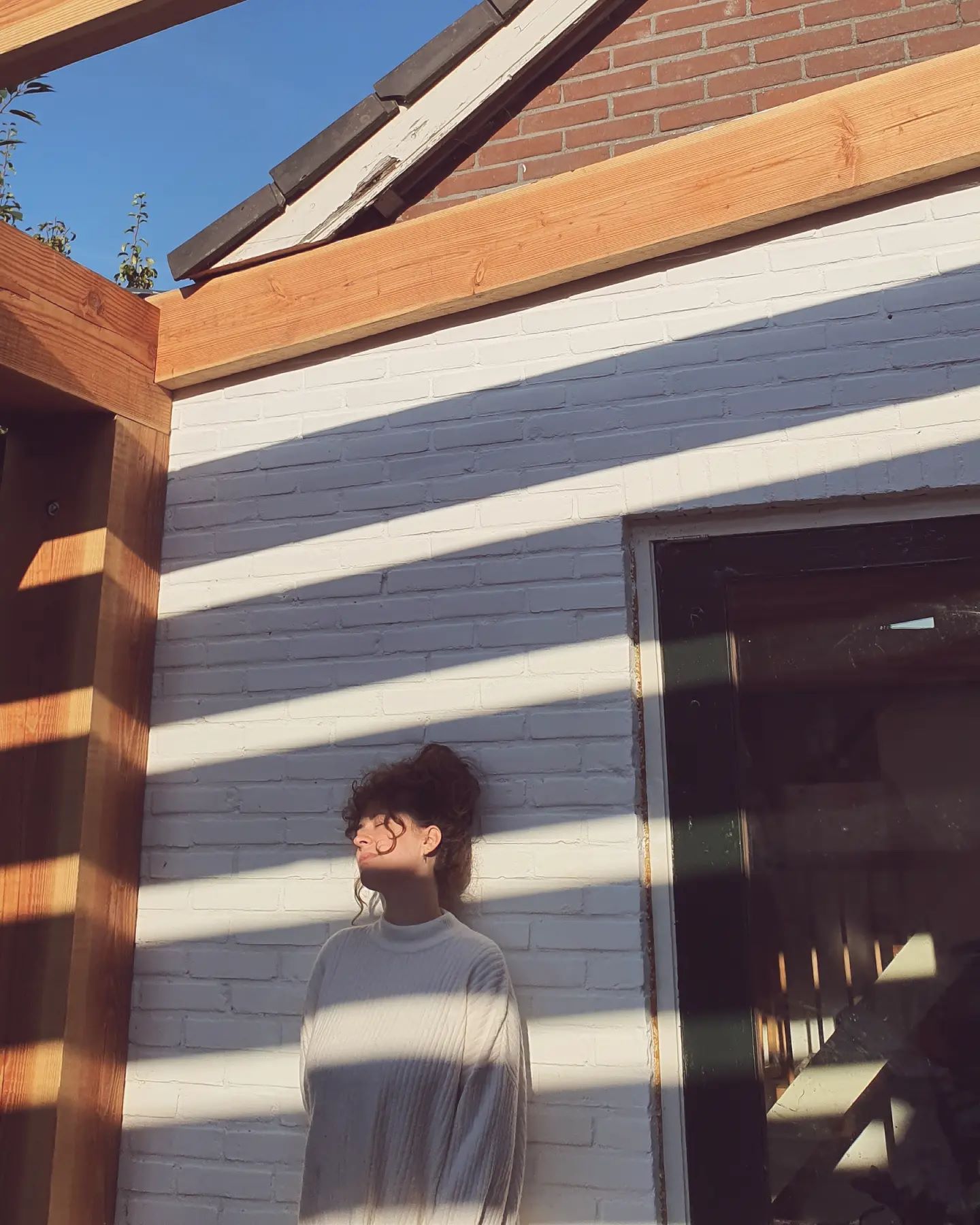 Deze plek is nu nog “buiten” maar het idee dat op de plek waar ik hier sta tegen deze witte muur straks onze vintage sofa staat van maakt mijn hart een sprongetje.
Na weken lang regen en een hele teleurstellende zomer hebben we eindelijk wat zon.
8 jaar geleden waren we hier komen wonen. 3 jaar geleden hebben we het kunnen kopen. En 1,5 jaar geleden zijn we aan dit verbouw avontuur begonnen.
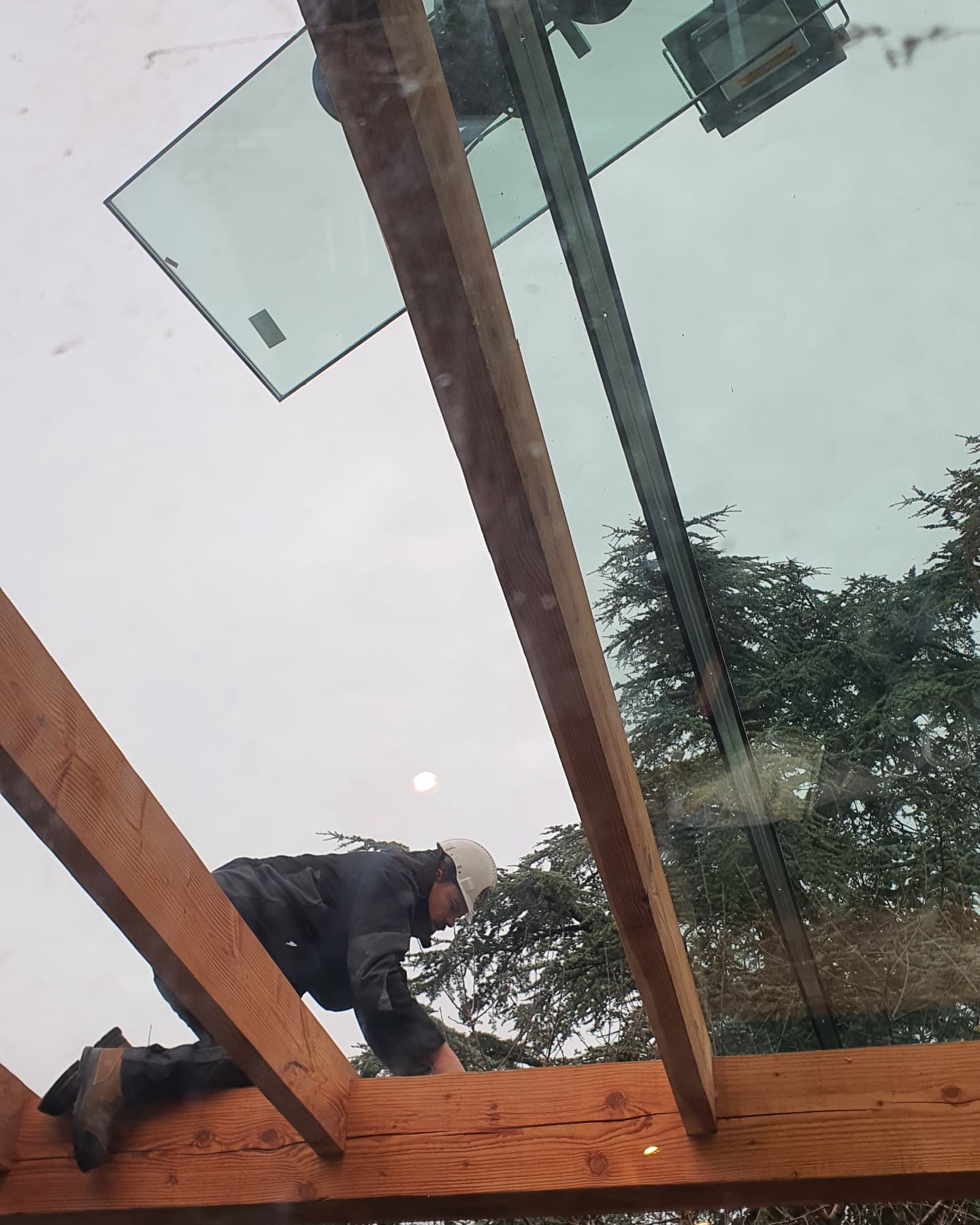
De muur heb ik vandaag alvast wit geverfd en de balken werden definitief op hun plek geplaatst. Meteen kregen we een duidelijk gevoel van hoe de ruimte ging voelen. De wand voelde “af” en straks met het glas op de balken zullen we dit schouwspel van lijnen over de muur vaker mogen aanschouwen.
Eindelijk zijn we bezig met het deel van de uitbouw die zichtbaar blijft. Geen leidingen, electra en beton storten meer. Eindelijk eindelijk eindelijk word langzaam duidelijk hoe onze plannen er in “het echtie” er uit komen te zien.
Eigelijk komt het heel erg overeen met alle schetsen en 3d impressies die we gemaakt hebben, maar om het met je eigen ogen werkelijkheid zien worden na ruim 1,5 jaar klussen geeft zo ongelooflijk veel voldoening.
Net op het moment dat je denkt dat je er niet meer tegen kan. Dat het weer met al die regen zo heftig tegen zit. Net op het moment dat je denkt: “komt er ooit een einde aan!?” Precies dan zien we het licht aan het einde van de tunnel naar ons lonken.
Oh. Yes!! Wat word het mooi.
Ik beloof mezelf plechtig: We gaan nog even knallen. En dan is het gewoon af.
En dan kunne we zeggen dat we dit zelf hebben gedaan. Hij en ik. Wij samen. En elke balk hout, elke spijker en elke druppel beton en verf hebben we bedolven met onze liefde en inspiratie voor dit huis. Ons thuis dat met ons gezin mee mag groeien.
Levering van de pui en het glaswerk voor het dak kan met alle bouwmateriaal schaarste wel even duren. Maar tot die tijd proberen we dit gevoel vast te houden. Vandaag gaf zoveel hoop. Zoveel inspiratie.
Ik ga nog even op het beton van de fundering en onder de balken liggen kijken naar de wolken die over drijven.
Adem in… adem uit… wij kunnen dit!
Laatste etappe! Let’s GO!
Fotografie: Jolanda Marti fotografie
[igp-video src=”” poster=”https://wildandboho.com/wp-content/uploads/2021/09/deze-plek-is-nu-nog-buiten-maar-het-idee-dat-op-de-plek-waar-ik-hier-sta-tegen-deze-witte-muur-strak.jpg” size=”large”]
[igp-video src=”https://wildandboho.com/wp-content/uploads/2021/09/deze-plek-is-nu-nog-buiten-maar-het-idee-dat-op-de-plek-waar-ik-hier-sta-tegen.mp4″ poster=”https://scontent-cph2-1.cdninstagram.com/v/t51.29350-15/241164363_2903640539895949_5215574651463007954_n.jpg?_nc_cat=104&ccb=1-5&_nc_sid=8ae9d6&_nc_ohc=_tMfHiKOrzoAX_QG3pZ&_nc_ht=scontent-cph2-1.cdninstagram.com&edm=ANQ71j8EAAAA&oh=e61f6e7124faebaa061de2f225a8efbe&oe=6137D61F” size=”large”]
Meepraten over dit onderwerp kun je het beste doen op
Instagram: @wildandboho!
Laat een reactie achter onder deze post of onder de instagram post van deze blogpost.
Deze blogpost kun je hieronder terugvinden op mijn Instagram page en klik vooral op de “volg” button om op de hoogte te blijven van al mijn nieuwe blogposts!
[igp-embed url=”https://www.instagram.com/p/CTadSX5jfHZ/embed/” width=”612″ height=”710″]
Deel deze blogpost
[supsystic-social-sharing id=’1′]
You might also like to read:
[related-posts-thumbnails]
aug 27, 2021
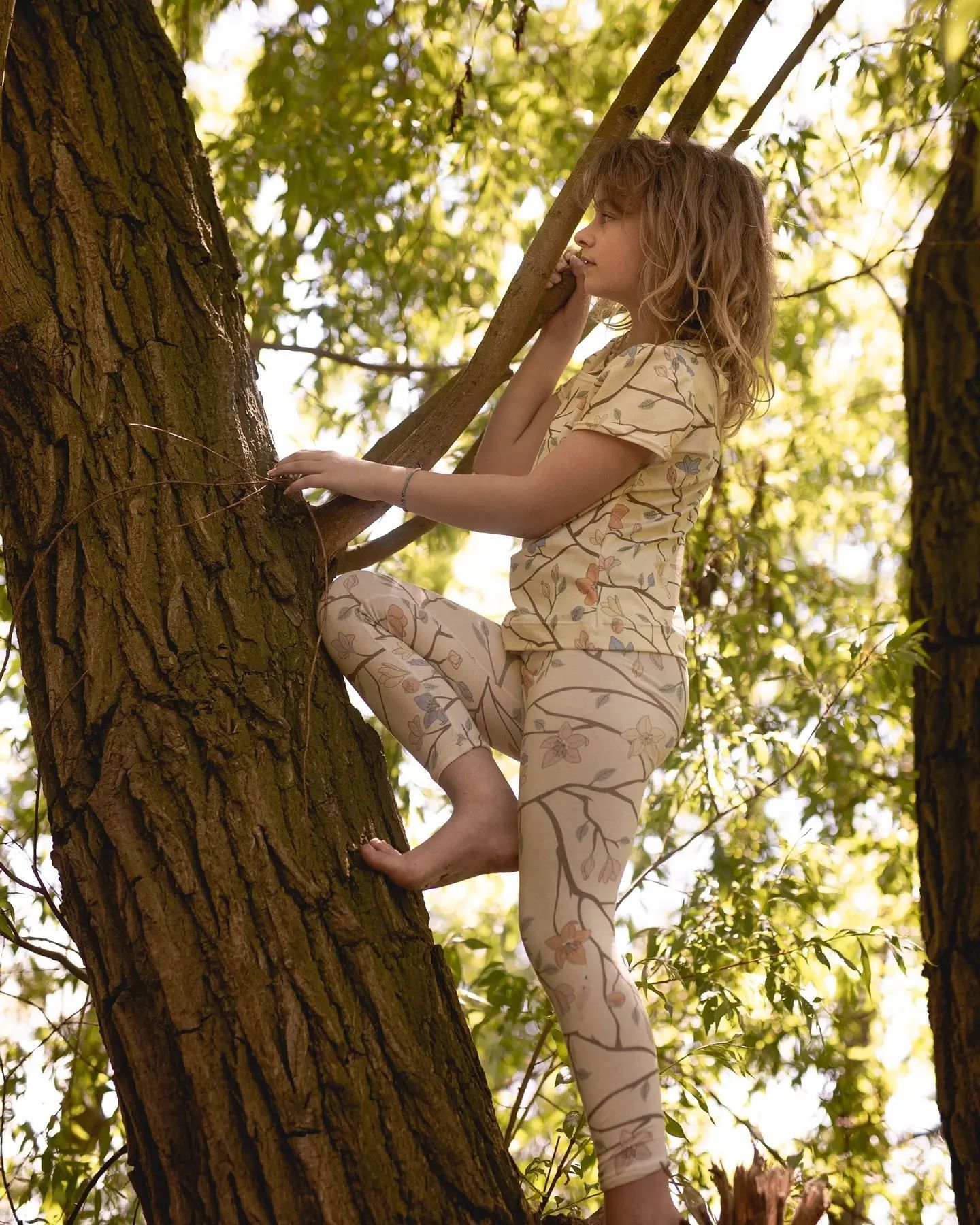 Nee. De zomer is nog lang niet voorbij. En ik weiger nu al in herfst modus te gaan. Ik ben er nog niet klaar voor. Dus we genieten van elk snipertje zon die ons gegund word. School is weer begonnen en we hebben de draad weer opgepakt.
De broodtrommels worden gemaakt. De afspraakjes worden geregeld en er word heen en weer gereden van en naar de clubjes en sportverenigingen.
Het word ook al eerder donker. Vestjes gaan aan omdat het toch best fris kan zijn en het einde van de zomer word toch steeds meer niet te ontkennen.
Maar laat me nog maar even… ik wil er niet aan. Ik wil het natuurgebied in om te suppen. De bossen om te wandelen. Ik wil de lage gouden zonne-uurtjes benutten met zwierige jurken en en prachtige mensen voor mijn lens. Ik wil dat het gewoon even droog blijft overdag.
En als dat niet zo is dan ga ik glashard in ontkenning en doe ik gewoon of het wel zo is. Ik ben nog niet klaar voor de herfst. Ik doe nog even een zonnedansje in de regen hier. Joe!
[igp-video src=”” poster=”https://wildandboho.com/wp-content/uploads/2021/08/nee.-de-zomer-is-nog-lang-niet-voorbij.-en-ik-weiger-nu-al-in-herfst-modus-te-gaan.-ik-ben-er-nog-ni.jpg” size=”large”]
Meepraten over dit onderwerp kun je het beste doen op
Instagram: @wildandboho!
Laat een reactie achter onder deze post of onder de instagram post van deze blogpost.
Deze blogpost kun je hieronder terugvinden op mijn Instagram page en klik vooral op de “volg” button om op de hoogte te blijven van al mijn nieuwe blogposts!
[igp-embed url=”https://www.instagram.com/p/CTFYc5jD_oh/embed/” width=”612″ height=”710″]
Deel deze blogpost
[supsystic-social-sharing id=’1′]
You might also like to read:
[related-posts-thumbnails]
aug 26, 2021
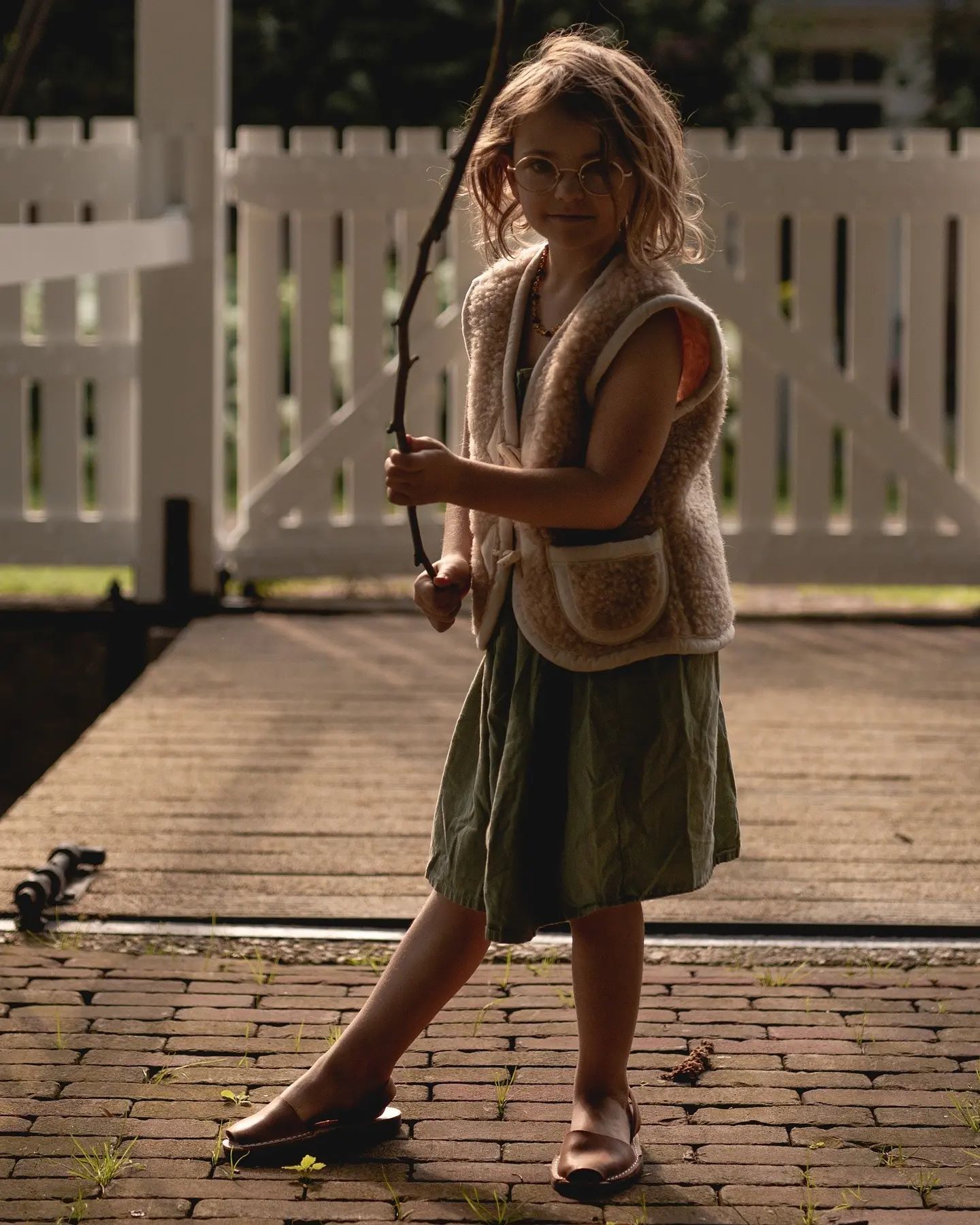
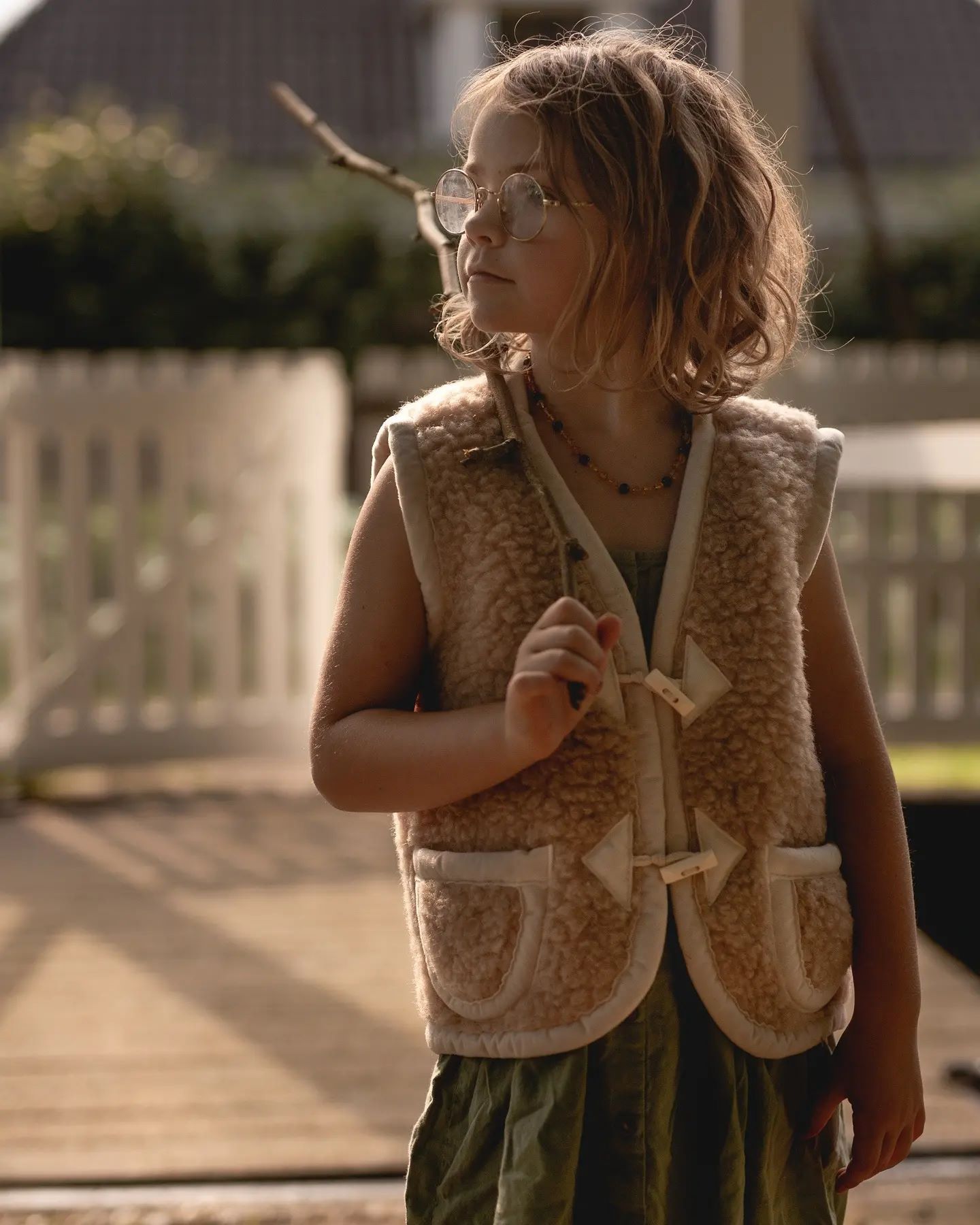
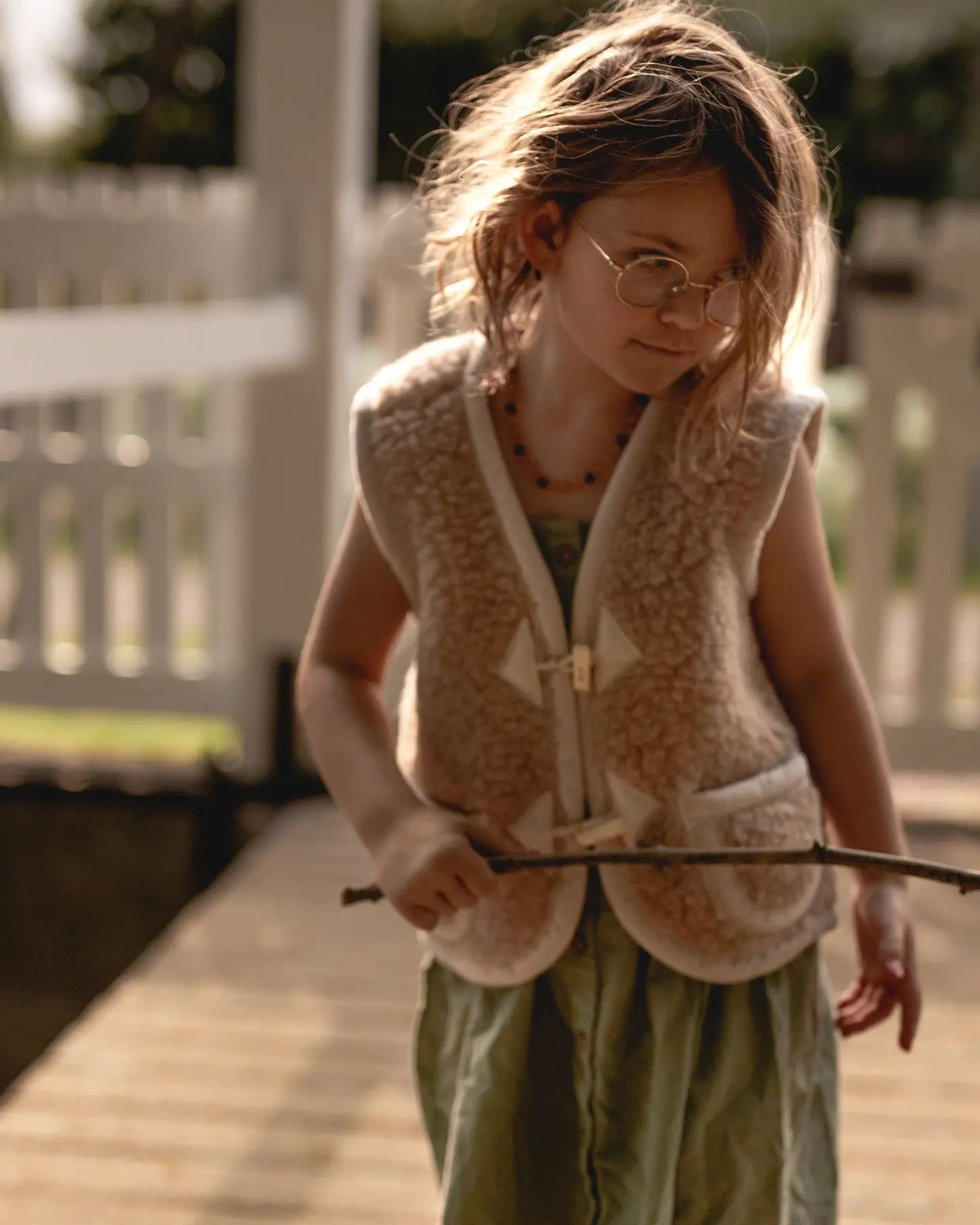 Dit is geen stok. Het is een toverstaf. En ze staat hier niet alleen op de foto. Ze staat oog in oog met haar vijand. Een verschrikkelijk mythisch monster die de wereld zal vernietigen wil het niet dat zij het monster zal stoppen kosten wat het kost.
Er klinkt een spreuk. Een lichtgevende straal die ze als een witte bliksemschicht op haar vijand af schiet. Hij word geraakt, staat stil en komt niet dichterbij. Balancerend op het randje van de brug staat hij als genageld, haar vernietigend aan te kijken. Hij wil nog wat hatelijks naar haar roepen maar met het puntje van haar toverstaf geeft ze hem het laatste zetje van de brug af “doei” en PLONS in het water! Hij is verslagen.
Trots en vol zelfvertrouwen staat ze daar op de brug.
Wat een show. Eerlijk gezegd wilde ik even een leuke foto maken op de brug van haar leuke outfit die ze zelf had uitgekozen. Maar dit was echt zoveel veel beter. Wat een show.
[igp-video src=”” poster=”https://wildandboho.com/wp-content/uploads/2021/08/dit-is-geen-stok.-het-is-een-toverstaf.-en-ze-staat-hier-niet-alleen-op-de-foto.-ze-staat-oog-in-oog.jpg” size=”large”]
Meepraten over dit onderwerp kun je het beste doen op
Instagram: @wildandboho!
Laat een reactie achter onder deze post of onder de instagram post van deze blogpost.
Deze blogpost kun je hieronder terugvinden op mijn Instagram page en klik vooral op de “volg” button om op de hoogte te blijven van al mijn nieuwe blogposts!
[igp-embed url=”https://www.instagram.com/p/CTCOIK3jHDH/embed/” width=”612″ height=”710″]
Deel deze blogpost
[supsystic-social-sharing id=’1′]
You might also like to read:
[related-posts-thumbnails]