





Menstruatieondergoed vergelijking test!
Starterguide menstruatie ondergoed.
Alles wat je moet weten voor je een wasbare absorberende onderbroek voor je menstruatie kiest/aanschaft.
Als je ongesteld was waren er eerst 2 opties. Maandverbandjes of tampons. In allerlei vormen en maten voor elk wat wils. Maar daar bleef de keuze bij voor het grootste deel van mijn volwassen leven. Gelukkig is daar inmiddels heel wat meer keuze bijgekomen voor iedereen met een menstruatie cyclus.
Tegenover de tampons zijn er nu ook cups te krijgen en tegenover de maandverbandjes is er nu wasbaar menstruatie ondergoed die (bijna) niet te onderscheiden is van regulier ondergoed.
En op deze laatste is mijn oog gevallen. Ik was wel benieuwd naar dit nieuwe duurzame fenomeen waarin steeds meer merken, modellen en keuze online beschikbaar was.
Ik kocht er om te beginnen 1 van bamboozie om te proberen of het wat voor mij was. Sceptisch maar hoopvol. Is het alles wat het beloofde te zijn?
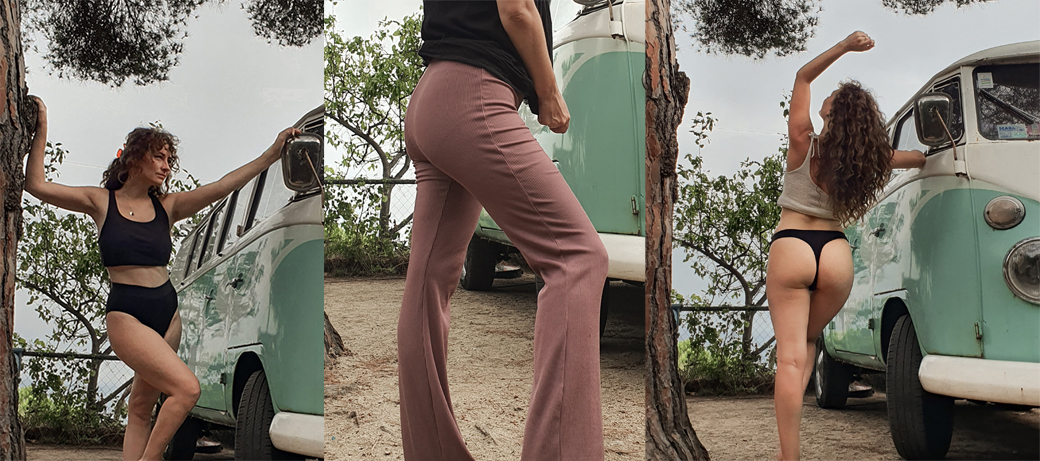
Na een eerste dagje proberen was ik eigenlijk meteen al om. Dit had ik vanaf dag 1 dat ik menstrueerde moeten hebben! Tampons vind ik maar niks (alleen als ik wil zwemmen maar anders liever niet) en cups idemditto. Dus zat er niets anders op dan de licht krakelende plastic matjes met watten op een kleefstrip in mijn onderbroek plakken elke maand. Verschrikkelijk.
Een menstruatie onderbroek voelt eigenlijk vrijwel als een gewone onderbroek. Ademend, soepel en droog. Lekt niet door gezien het niet kan gaan verschuiven zoals maandverband soms kan doen.
De “geurtjes” die je gewend bent van Maandverband en tampons die na een paar uurtjes broeien tussen je benen niet super chill is is er helemaal niet bij met menstruatie ondergoed wonderlijk genoeg. Dat had ik niet verwacht. Ik denk dat het komt omdat het simpelweg niet gaat “broeien” het ondergoed ademt! (Maar lekt dus niet) Mind is blown.
Wassen was ook super easy en totaal niet zo ikky waar ik vooraf een beetje huiverig voor was. Uitspoelen met koud water en hoppa in de wastrommel en daarna laten uithangen om te drogen.
De onderbroek had maar een nadeel… ik had er maar 1 gekocht. En de tijd die ik nodig had om te wassen en drogen moest ik weer aan het Maandverband. En eigenlijk wilde ik na het eerste gebruik van de onderbroek dat absoluut niet meer.
Wat blijkt!? Menstruatie ondergoed is het perfecte en meest comfortabele en duurzame alternatief op Maandverband/inlegkruisjes en tampons.
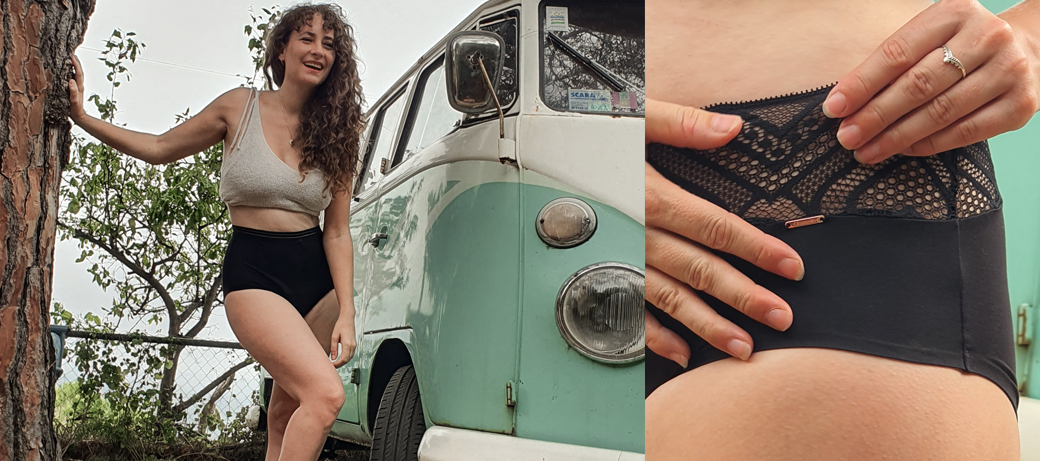
Dus ik wilde er meer aanschaffen… maar toen ik online opzoek ging zag ik door de bomen het bos niet meer… zoveel brands, modellen, materialen en verschillende “gepatenteerde laagjes” systemen om het vocht op te vangen. Dat ik het even niet meer wist.
Ik zocht een plek waarin de verschillende brands vergeleken werden. En die vond ik niet.
Dus bij deze… ik heb voor jullie zoveel mogelijk verschillende menstruatie ondergoed brands getest en naast elkaar gelegd voor de grote vergelijking.
En eerlijk is eerlijk, het is maar goed dat er zoveel diversiteit is. Elke persoon is anders, elke menstruatie is anders en iedereen heeft andere voorkeuren.
Ik help je graag uit te vinden welke menstruatie onderbroekken het beste bij jou passen!
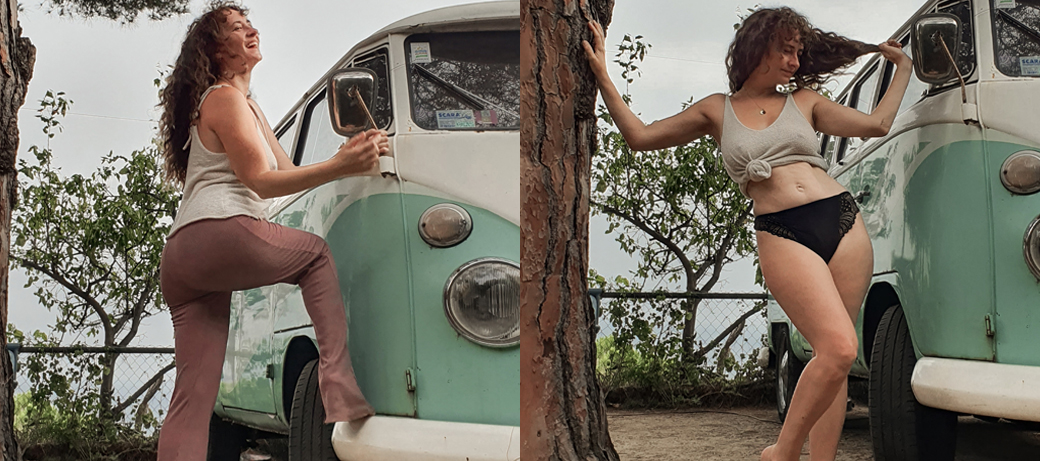
Hoeveel onderbroeken heb je nodig?
probeer het uit met 1
Om te beginnen zou ik er 1 halen om te kijken of menstruatie ondergoed jou ding is. Als je regelmatig maandverband gebruikt (overdag of in de nacht) vermoed ik van wel.
Dan is het helemaal afhankelijk van je flow, en persoonlijke voorkeur hoeveel (en welke) je nodig hebt. Hoe lang menstrueer je? En hoe veel bloed verlies je?
minimale aantal
Als je geen extreem hevige flow hebt en je de onderbroekjes elke keer meteen uispoelt, wast en droogt na gebruik kun je met 3 mentruatie onderbroekken goed uit de voeten.
Hoeveel en van welk type je nodig hebt is wel afhankelijk van hoeveel jij vloeit en hoe lang elk stadia duurt en of je bijvoorbeeld daarnaast ook nog een cup overdag gebruikt. Maar met 1 Heavy flow onderbroek voor de nachten en 2 medium flow broekjes voor overdag zouden de meeste mensen al prima een menstruatie kunnen door rouleren.
grotere collectie
Heb je meer budget zou je bijvoorbeeld voor de eerste zwaardere dagen 2-3 hogere modellen voor “heavy flow” willen met net iets groter absorbsie oppervlak. De dagen daarna 3-4 “medium flow” onderbroekjes, en voor de lichtere dagen op het einde 2-3 leuke “light flow” onderbroekjes of strings met mooie kantjes erop.
Voordeel hiervan is dat je niet perse elke dag hoeft te wassen. Met meerdere broekjes per menstruatie kun je gemakkelijk elke onderbroek na gebruik meteen even uitspoelen met KOUD* water (ik doe er ook een drupje eco handwasmiddel bij) tot er alleen nog helder water uit komt en dan met wat handwasmiddel in een emmer water gooien. Dan spaar je er een aantal op en kun je ze allemaal in 1x in de was (gebruik geen wasverzachter) gooien.
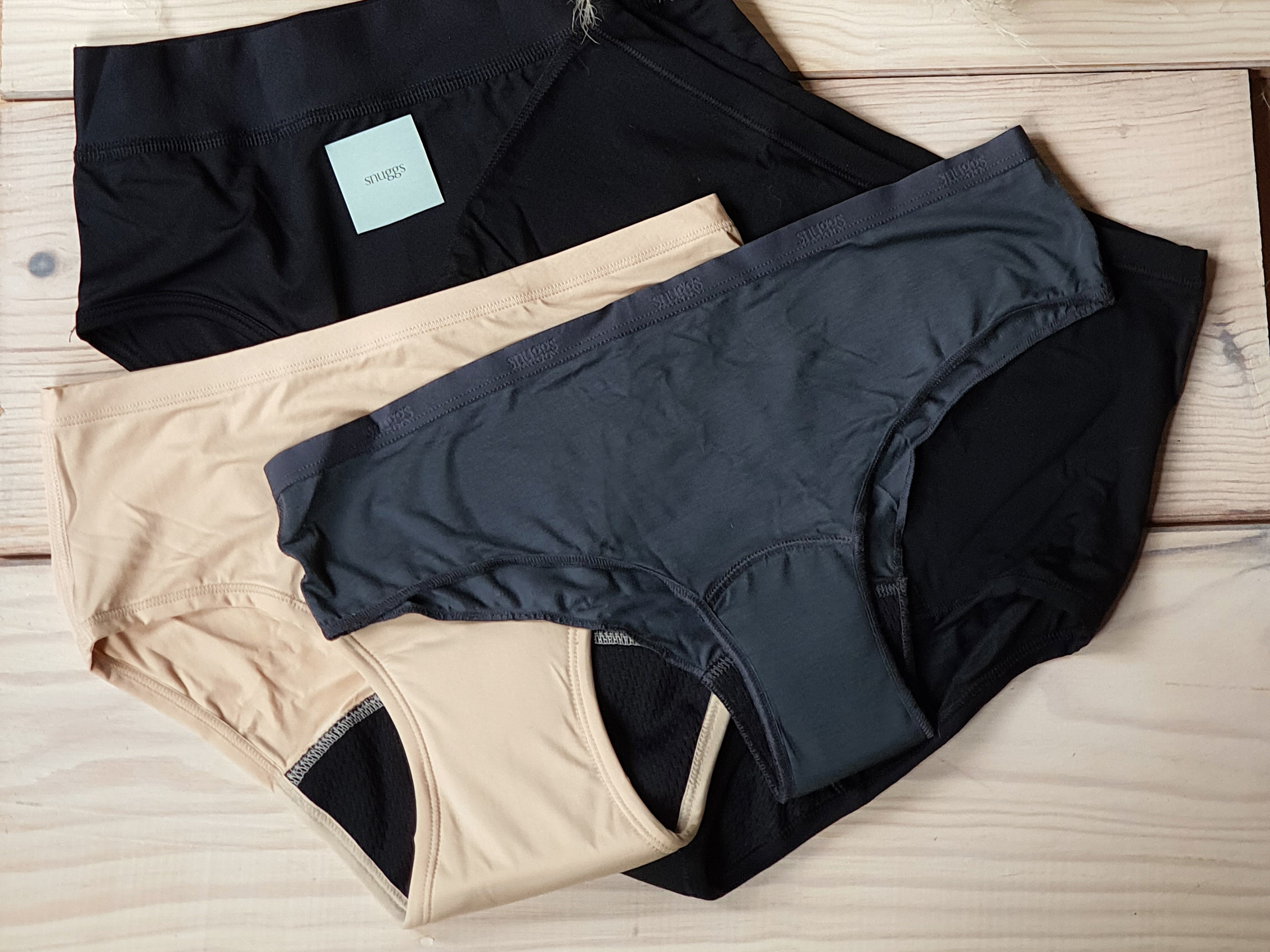
*Waarom uitspoelen in koud water!?
En hoe was je die dingen eigenlijk?
Bloed lost op in koud water. De eiwitten in het bloed stollen door warm water en dan word het moeilijker om snel uit te spoelen. Dus altijd eerst spoelen met KOUD water tot her alleen nog helder water uit komt en daarna in de was slingeren of met de hand in een warm sopje doen. Gebruik geen wasverzachter omdat dat de absorbsie niet tengoede komt. Na het wassen ophangen en laten drogen aan de lucht met het absorbsie vlak naar buiten gericht (binnenstebuiten dus). Niet in de droger doen, dan gaan ze veel langer mee!
Welk type!? Welk merk!? Welk model!?
Juist nu kom je tot de essentie van dit blog.
Waar liggen de verschillen en overeenkomsten!?
Ik heb diverse modellen van de volgende brands getest:
Bamboozie, Lotties, Chantelle bij Livera & Snuggs
Overeenkomsten
Om te beginnen wat hebben al deze brands met elkaar gemeen?
Allemaal hebben ze een enorm goede absorbsie.
Ondanks de claims op hun “unieke gepattenteerde laagjes” absorberen alle onderbroekken van elk merk heel erg goed en ben ik bij geen een van de onderbroekken doorgelekt.
Het hielp wel dat ik dus voor de eerste dagen de heavy flow broekjes droeg en daarna de medium flow en toen kon afbouwen naar de light flow types. Als je de juiste menstruatie onderbroek pakt die past bij je bloedverlies zal doorlekken nooit meer een issue zijn.
De kwaliteit en zorg waarmee elk merk de onderbroekken heeft afgewerkt is ook iets wat bij de verschillende brands allemaal overeenkomt.
Het zijn duurzame producten die lang mee moeten gaan. En dat is te zien.
En hierbij houden de overeenkomsten op.
We gaan door met de:
Verschillen
Elk brand heeft echt totaal verschillende modellen, pasvormen en materialen waarmee het menstruatie ondergoed gemaakt is.
En dat is waar je de grote verschillen gaat opmerken. In het begin raakte ik daarvan ietswat geïrriteerd. Te veel keuze, ik wist het niet meer. Bomen en bos. Maar nu snap ik het helemaal. Hoe kan het ook anders. Een menstruatie is niet one size fits all. Zo mooi dat er keuze ís. Zodat jij kan kiezen wat bij jou past. En laten we wel wezen, het is best een investering. Dus dan mág het toch ook helemaal precies zijn zoals jij het het prettigste vind zitten?
De een vind katoen fijner, de ander gaat voor bamboo en de volgende vind de gladde syntetische en onverwoestbare stretchy stoffen fijner zitten. Ik heb gemerkt dat de syntetische modellen zich heel mooi naar je lijf vormen en gedurende de dag niet uitlopen en perfect blijven zitten. De natuurlijke stoffen voelen heerlijk ademend en zacht aan op de huid en lopen kwa pasvorm iets uit gedurende de dag.
Wil je een hoog model, of juist een hipster of een string? Misschien een boxer model!?
Zwart, of misschien grijs, groen, paars, jou eigen huidskleur of met bloemetjes?
Of anders met een kanten randje?
Wat jij zoekt is te vinden.
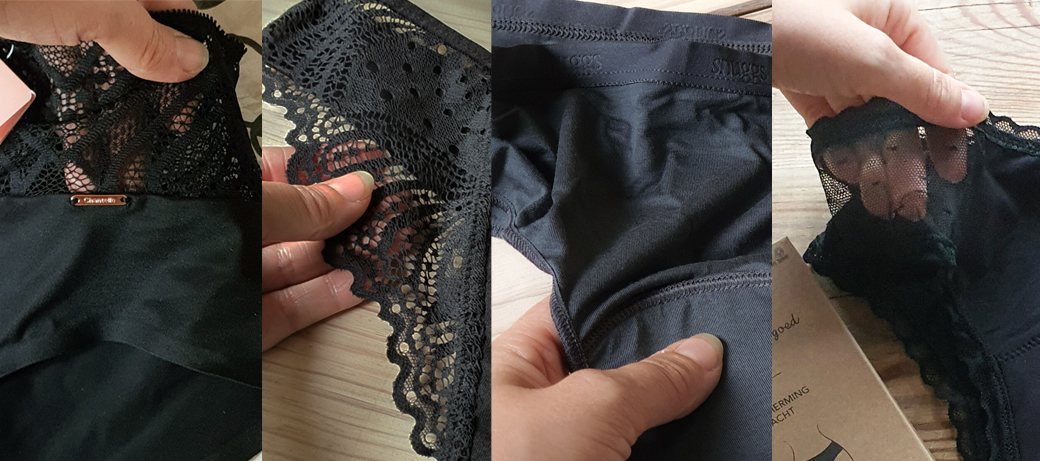
Hoe kies je het juiste menstruatie ondergoed voor jou?
Wat de beste keuze voor jou specefieke situatie is is misschien het beste te bepalen door:
1- vooraf te bepalen welke absorbsie je nodig hebt en hoeveel van elk.
2-pasform en modellen je voorkeur heeft.
3-welke materialen ze mogen zijn.
Dan te kijken in het aanbod van de diverse brands.
Maak een eerste selectie, en dan kijken welke kleur of afwerking je het mooiste vind van de exemplaren die aan je eisen voldoen.
Hieronder heb ik de door mij geteste modellen van de diverse merken gesorteerd op vocht absorbsie cappasiteit.
Van de lichte naar de zware Flow modellen. hoop dat het je wat helderheid bied.
Light flow modellen:
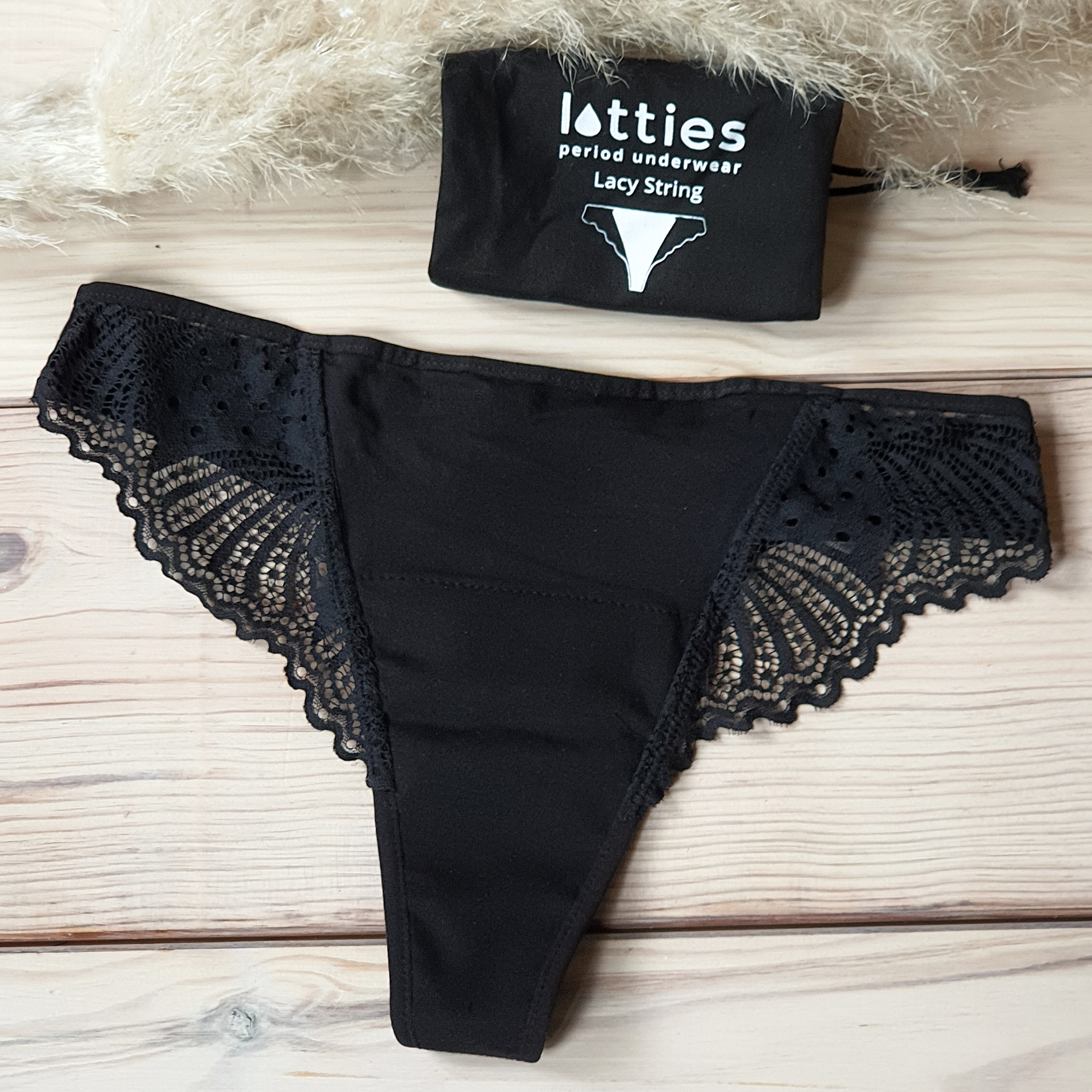
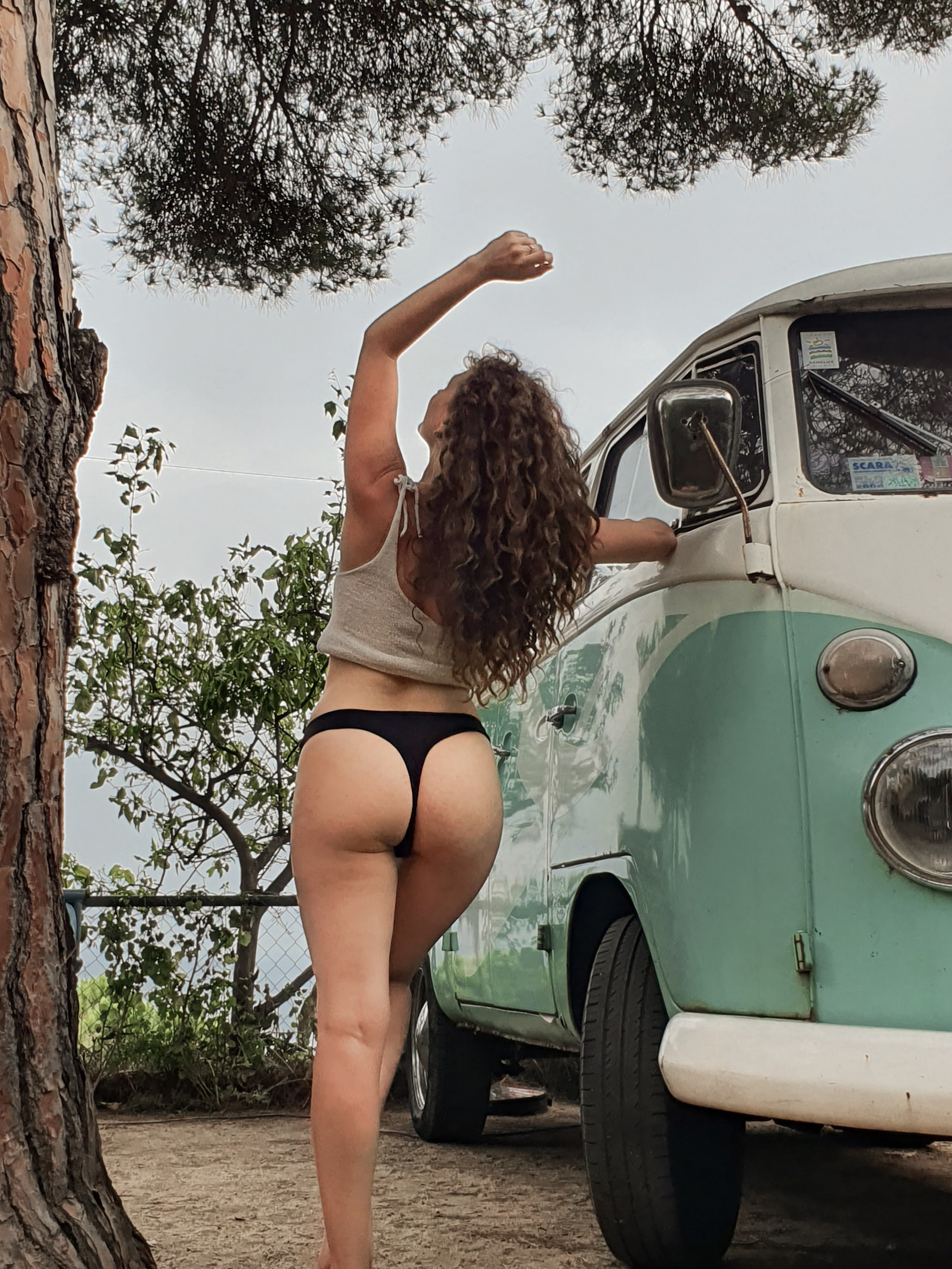
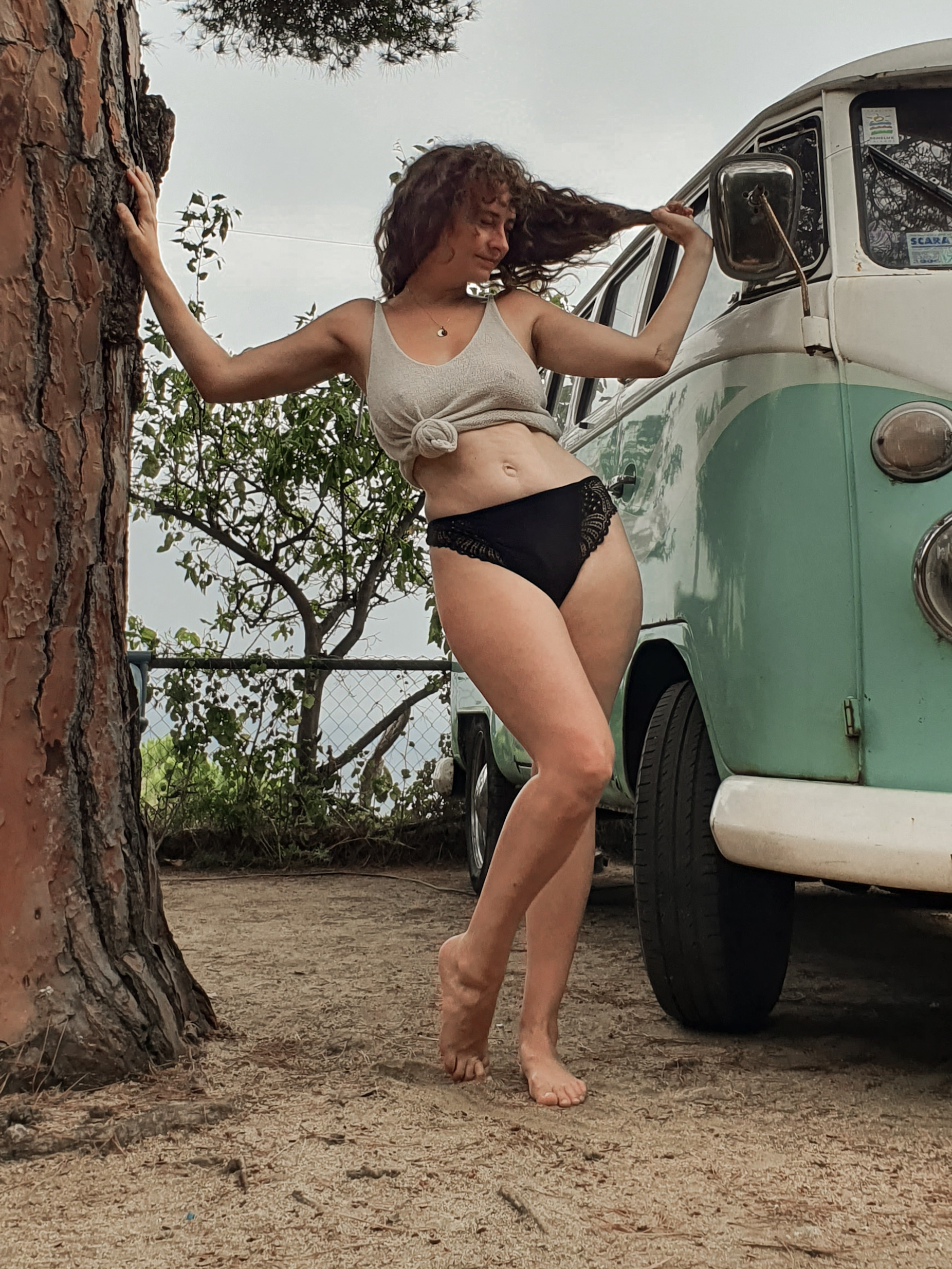
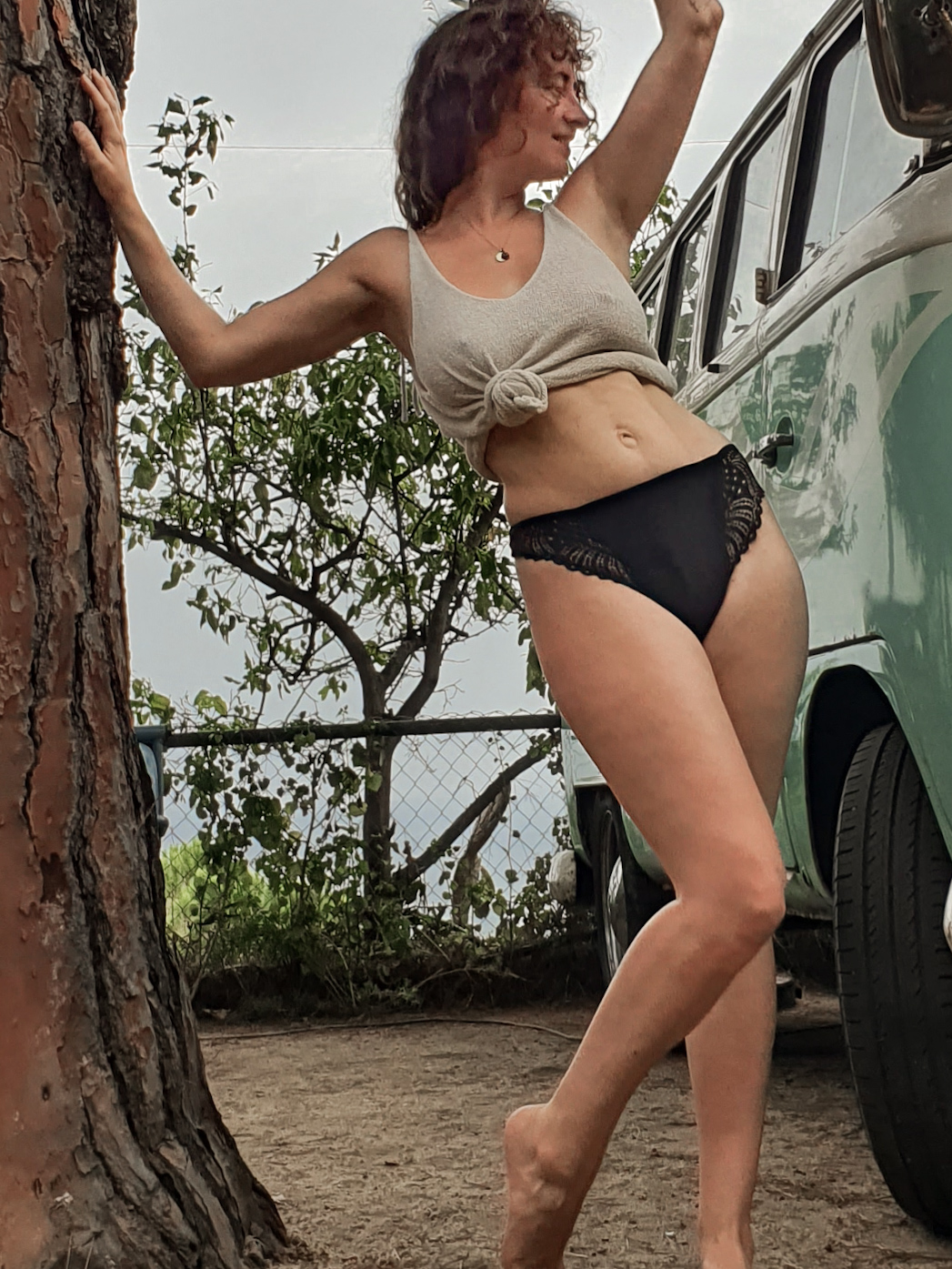
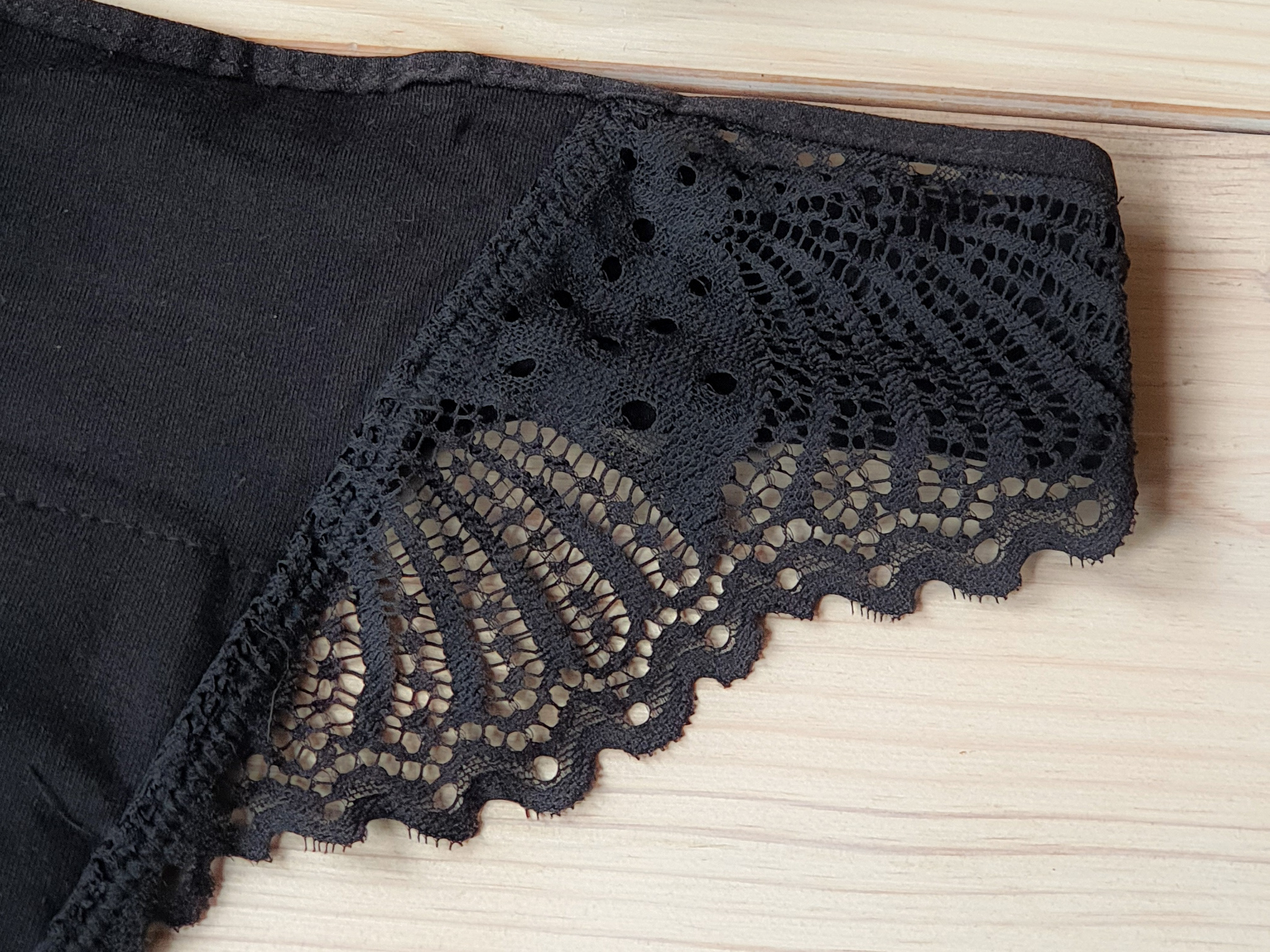
Model: Lacy string
Merk: Lotties
Materiaal: Lenzing Modal
Absorptie:  Lichte Flow, Absorbeert ongeveer gelijk aan 1 tampon/Maandverbandjes.
Review: Oef! Heel sexy en Comfy deze! De string voelt eigelijk nkiet heel anders dan een gewone string, het kruisje heeft een ietjes dikkere stof als een gewone string maar zeker velen malen dunner dan een maandverbandje of inlegkruisje. Vanaf dag 4 van mijn mentruatie draag ik deze wel eens. Maar hij zit zo fijn, dat ik hem gerust ook weleens aantrek buiten mijn menstruatie. Omdat, uuh kijk nou!! Dat kant! En meis, Show that Bootieee! 😉
Prijs: €21,95
Korting code: wildandboho20
Deze code geeft 20% korting 🙂
Tot 31 dec 2022
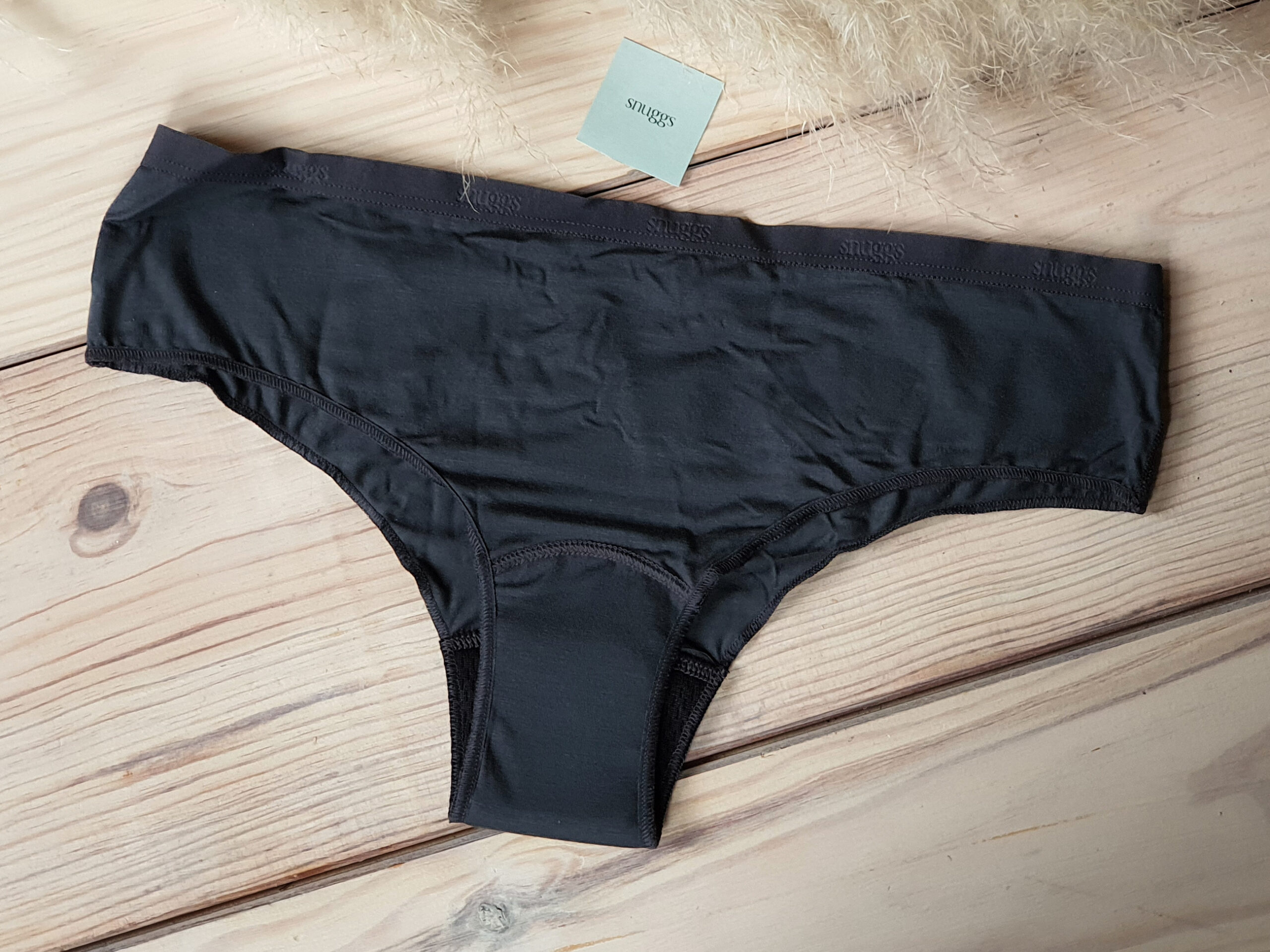
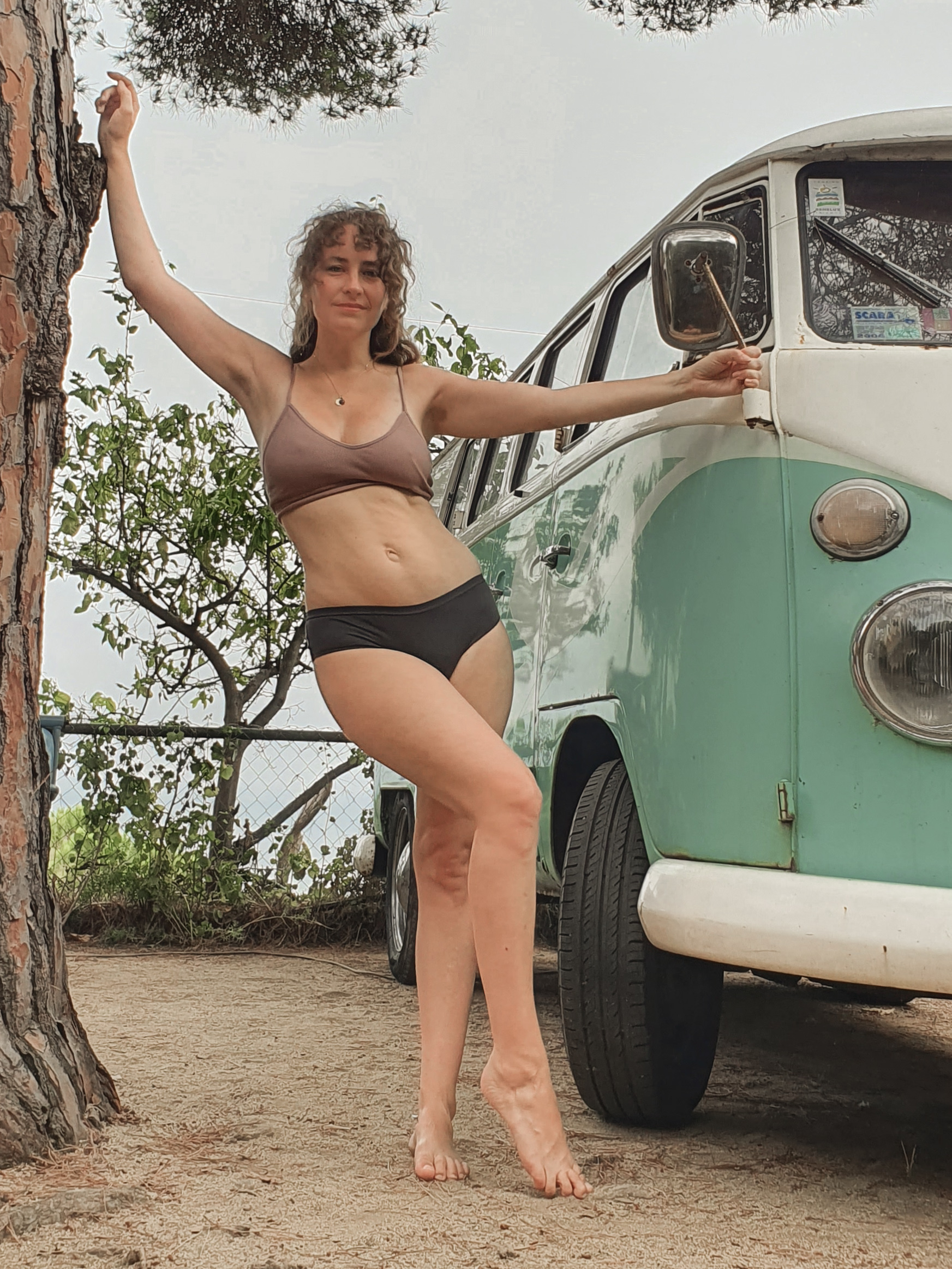
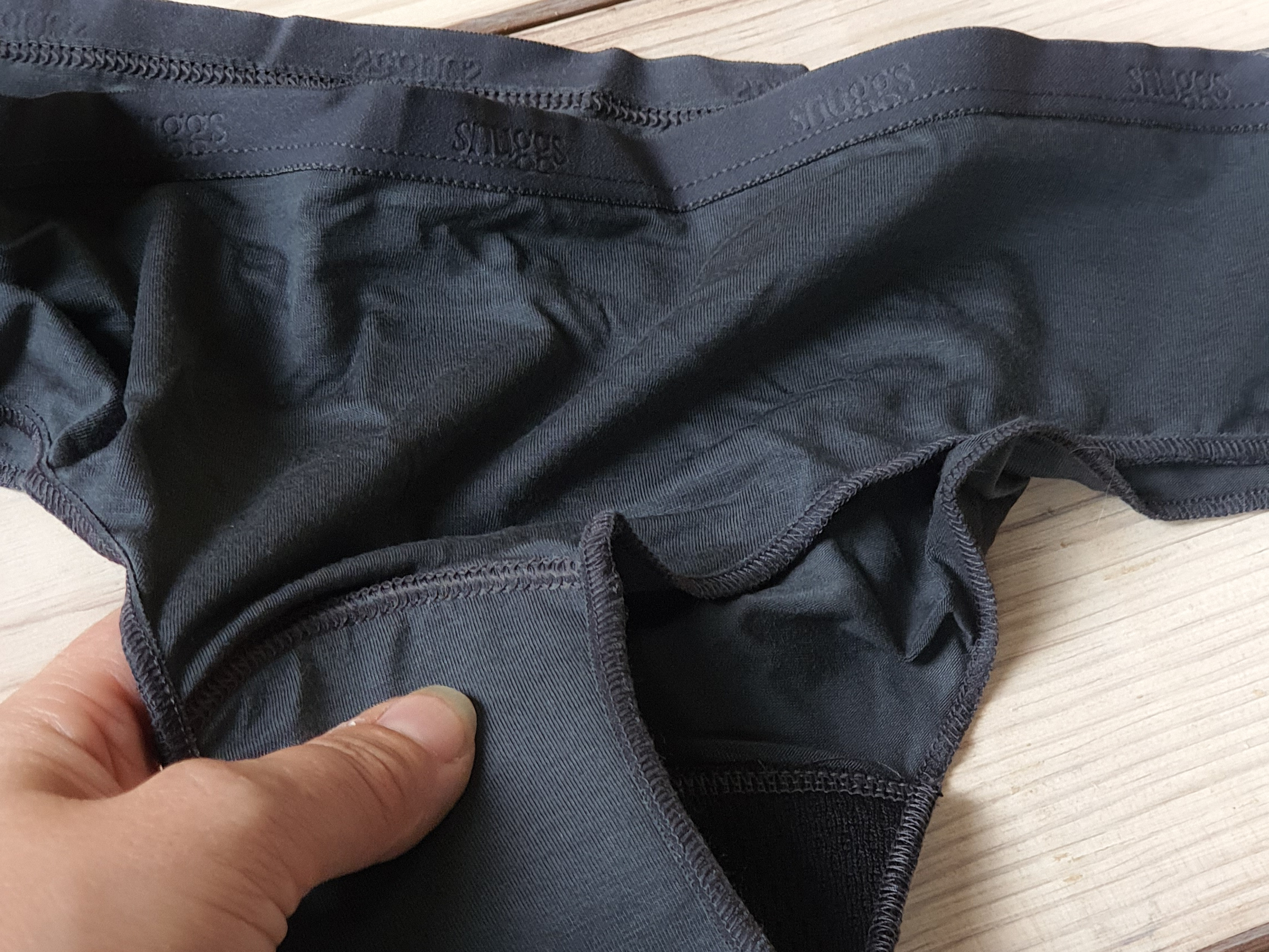
Model: Cheeky
Merk: Snuggs
Materiaal: The body of the underwear: 93% Tencel Lyocell, 7% elastane, Functional layer: 100% polyester, Absorbent layer
100% cotton, Impermeable membrane
95% cotton, 5% PUL
Absorptie: Lichte Flow, Absorbeert ongeveer gelijk aan 1 tampon/Maandverbandjes.
Review: Deze Snuggs menstruatieslip voelt comfortabel, licht en natuurlijk aan. Het verschil tussen deze onderbroek en een teguliere onderbroek is amper te merken als je hem aantrekt. Hij is helemaal perfect voor de wat lichtere dagen aan het einde van je menstruatie. Hiermee voelt het bijna alsof je menstruatie al een dagje eerder is afgelopen.
Prijs: €32,-
Kortingcode 15%: WILDANDBOHO
Geldig tot: 19 september 2022
Link: Snuggs.nl

Medium flow modellen:
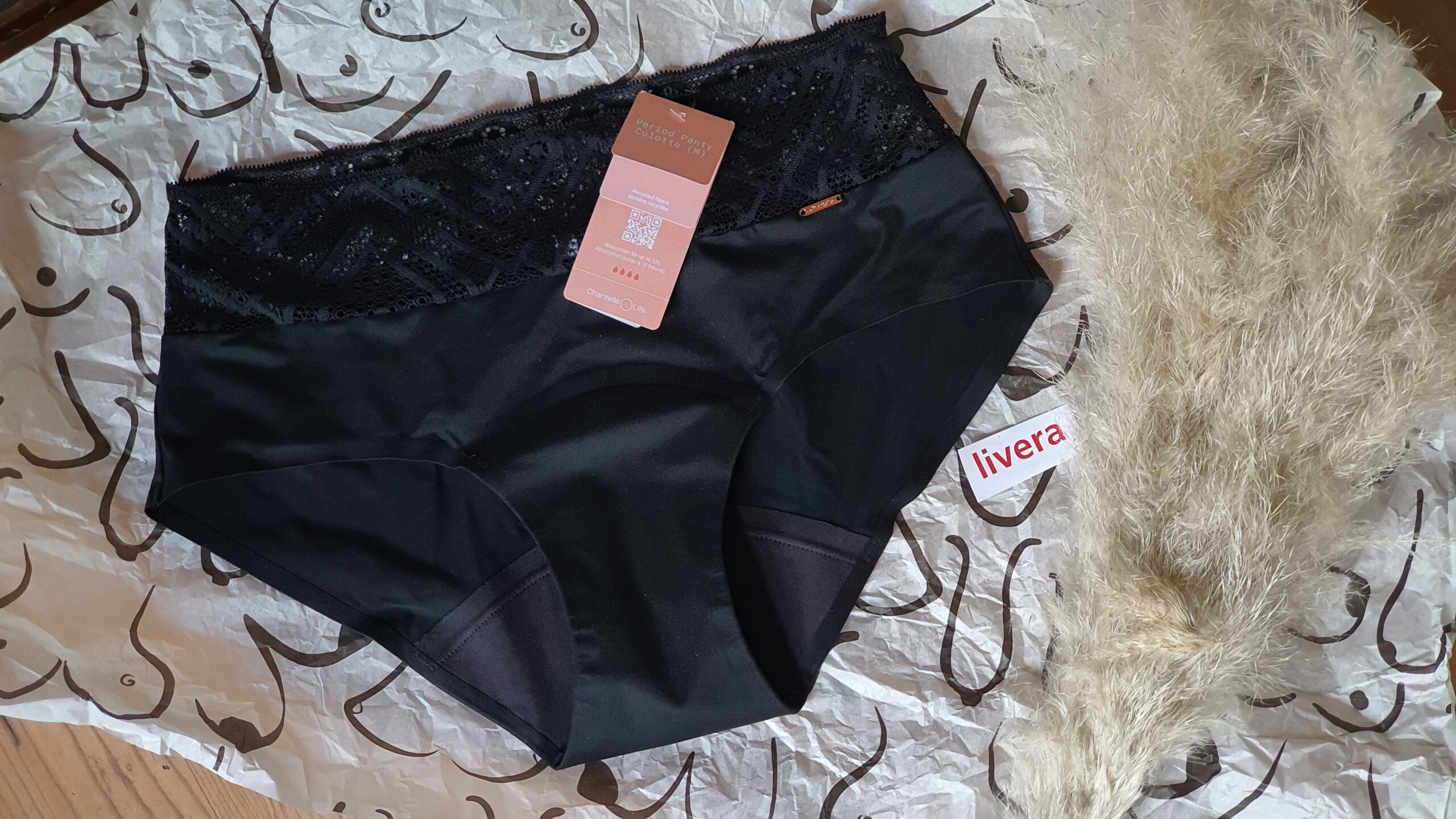
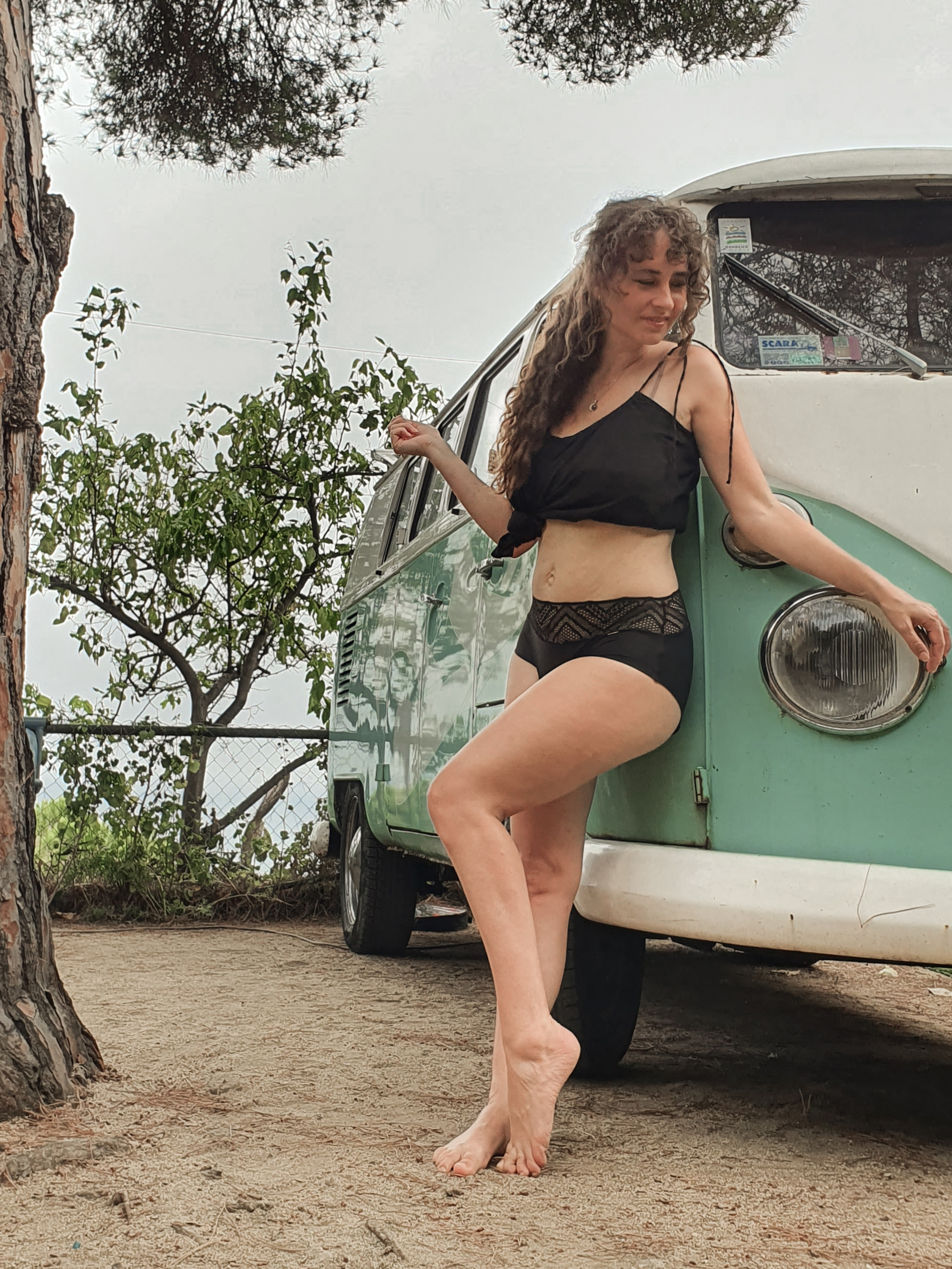
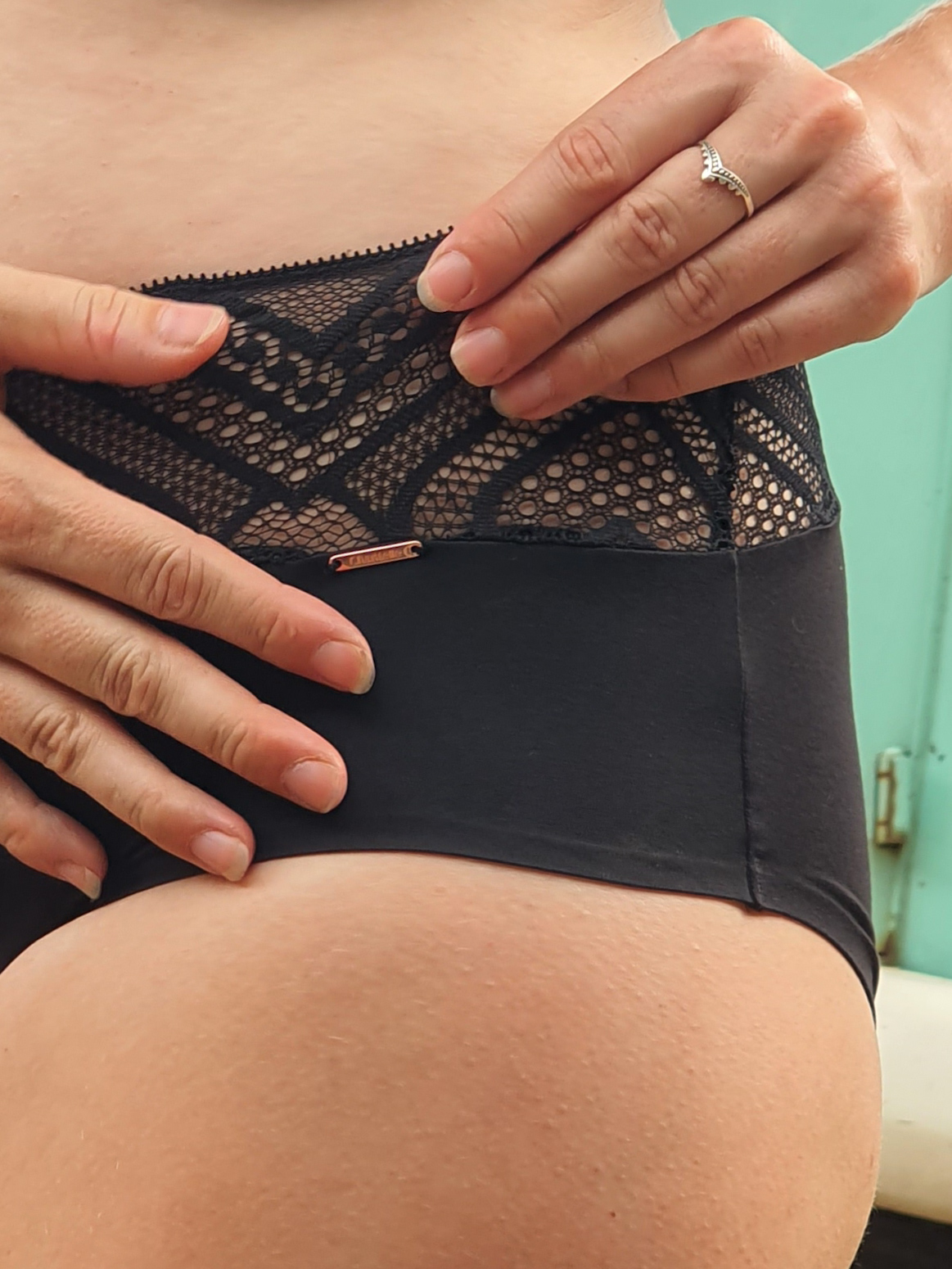
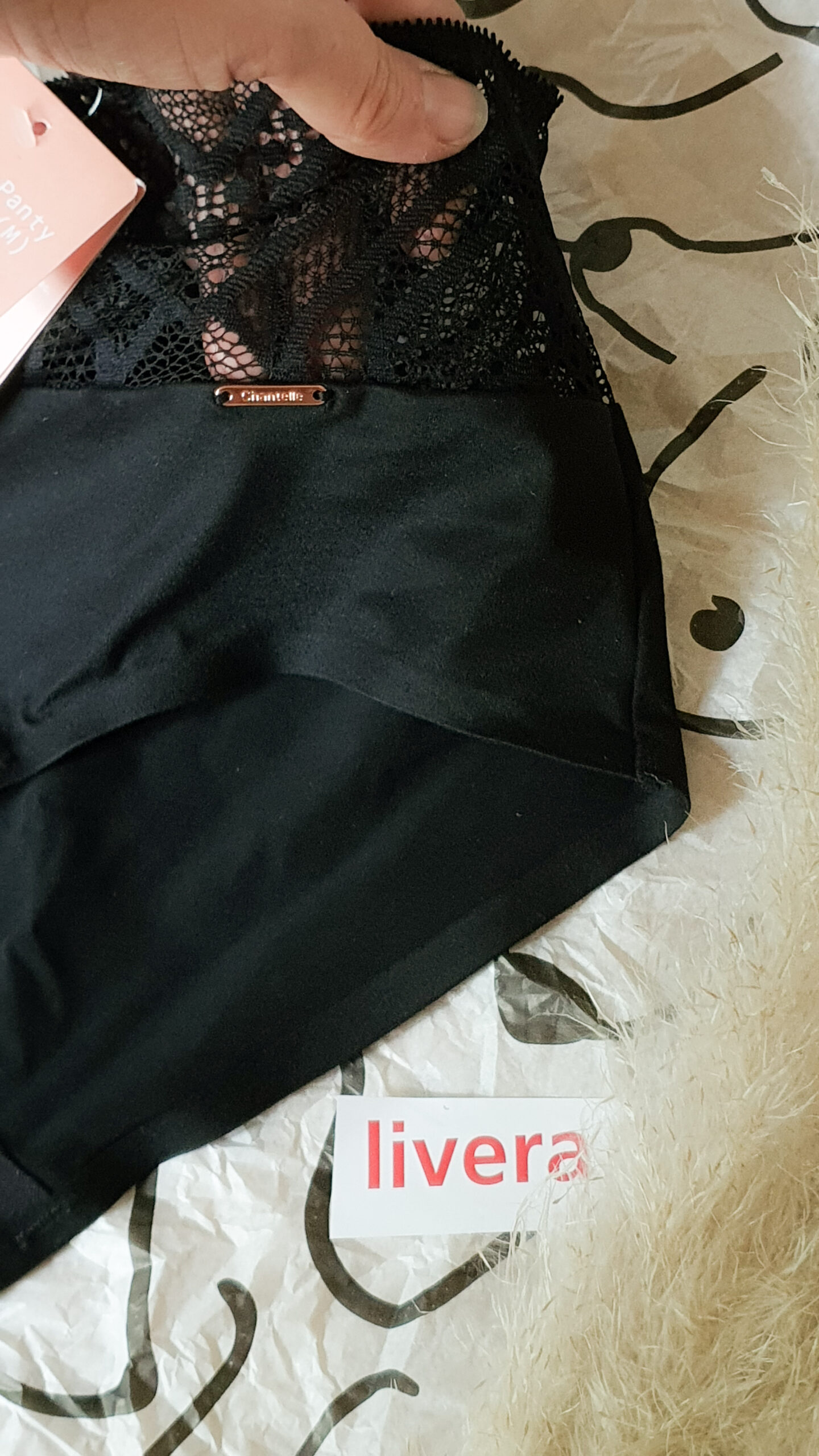
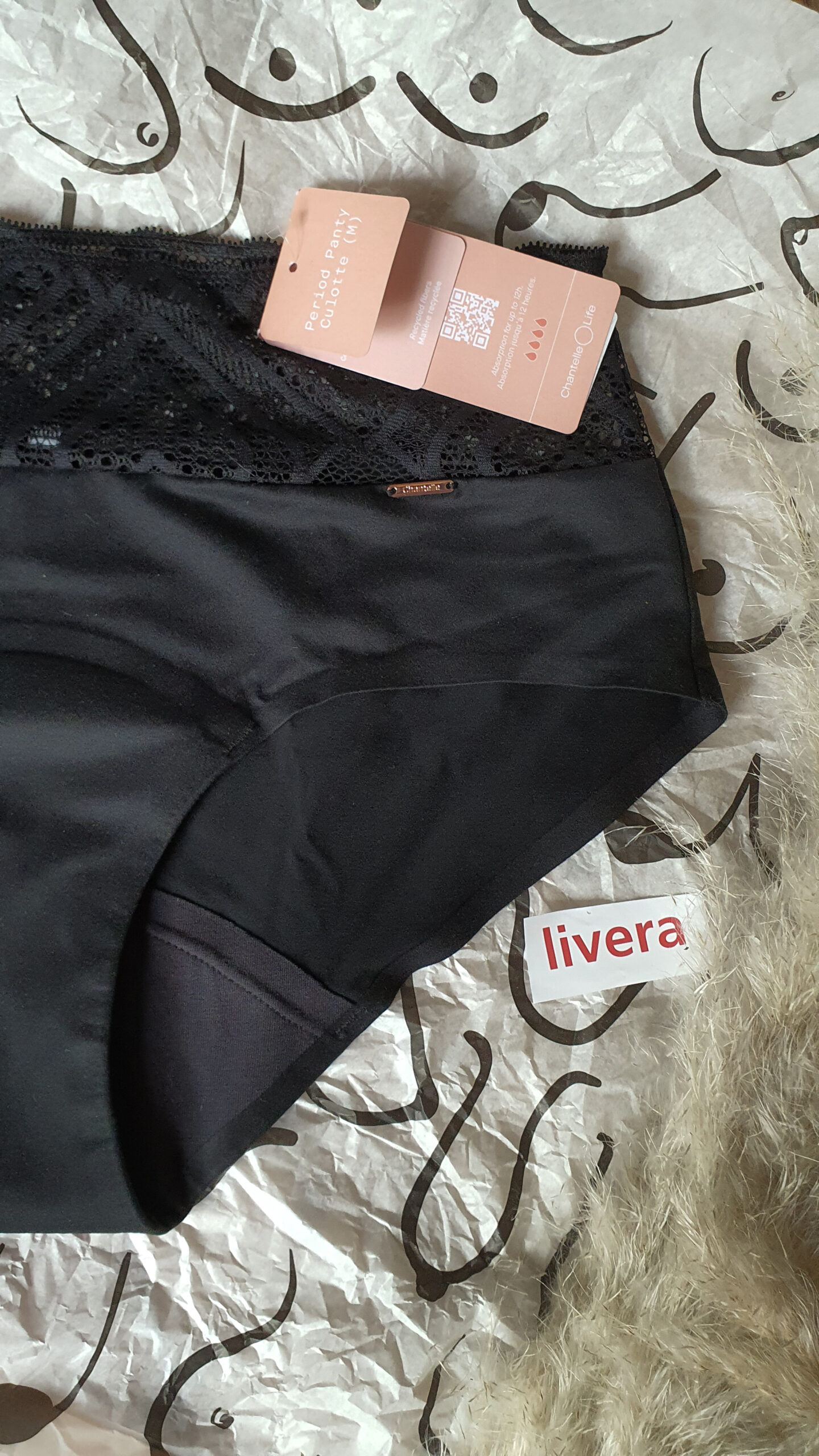
Model: Period Panty Lace
Merk: Chantelle bij Livera
Materiaal: Materiaal buitenstof: 75% gerecycled polyamide + 25% elastaan. absorbsie lagen: Afvoerende laag: 94% Organisch katoen GOTS
Absorptie:  Absorbeert ongeveer 3 tampons/Maandverbandjes
Review: Wat een plaatje! bij het uitpakken valt het meteen op. de afwerking van deze menstruatieslip is echt luxe! Het kant voelt heel zacht en de randjes zijn duidelijk met een andere techniek afgewerkt ans de andere onderbroekjes. Eenmaal aangetrokken past de rekbare zachte stof zich meteen aan aan mijn vormen. onder een broek zijn de naden amper zichtbaar. Dit is verreweg de meest luxe uitvoering van alle geteste slips. Met dit slipje in je menstruatie arsenaal is het niet erg dat je mentruatie net op die ene gelegenheid valt. Super comfortabel en elegant.
Prijs: €39,-
Link: https://www.livera.nl/
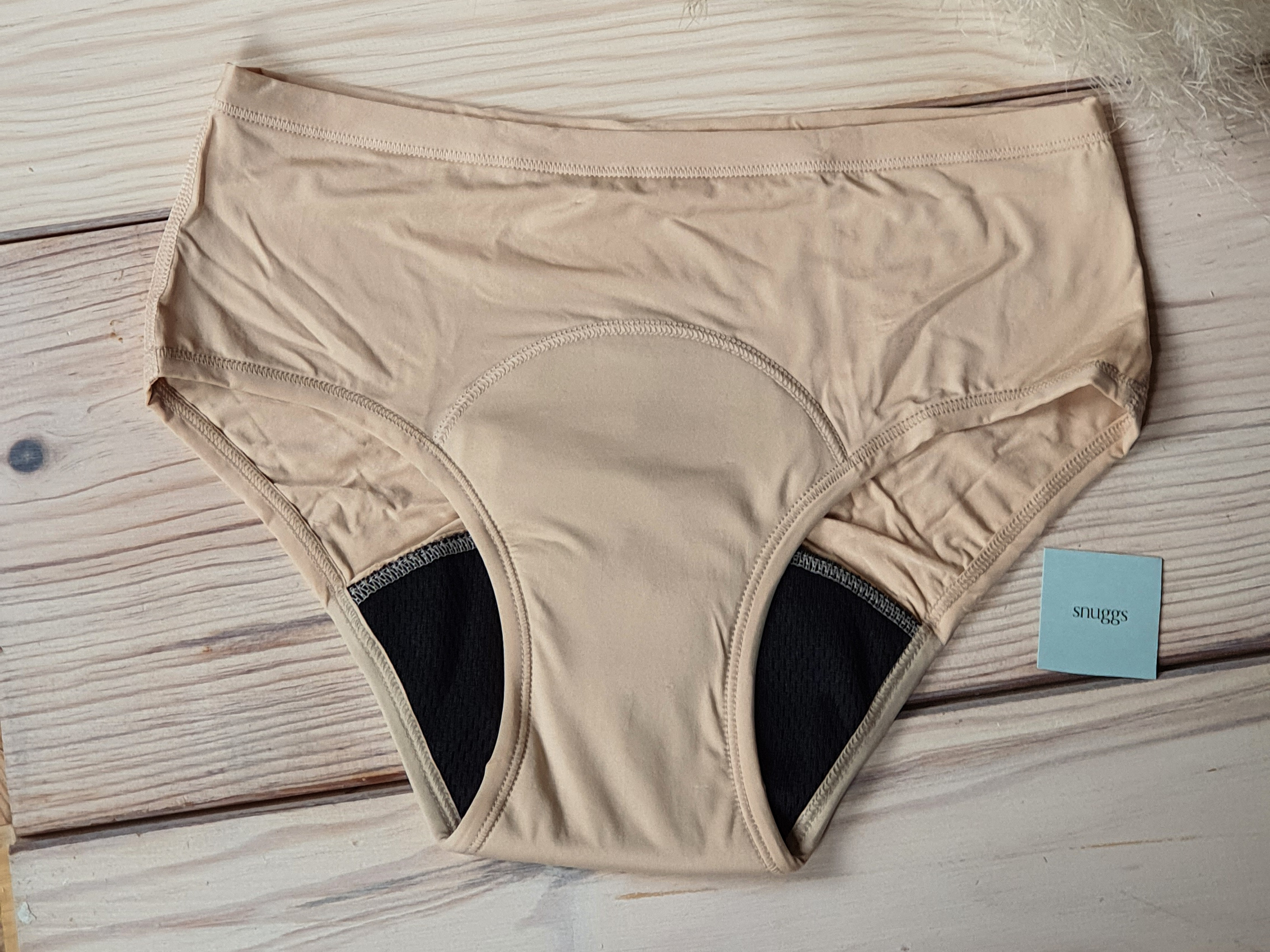
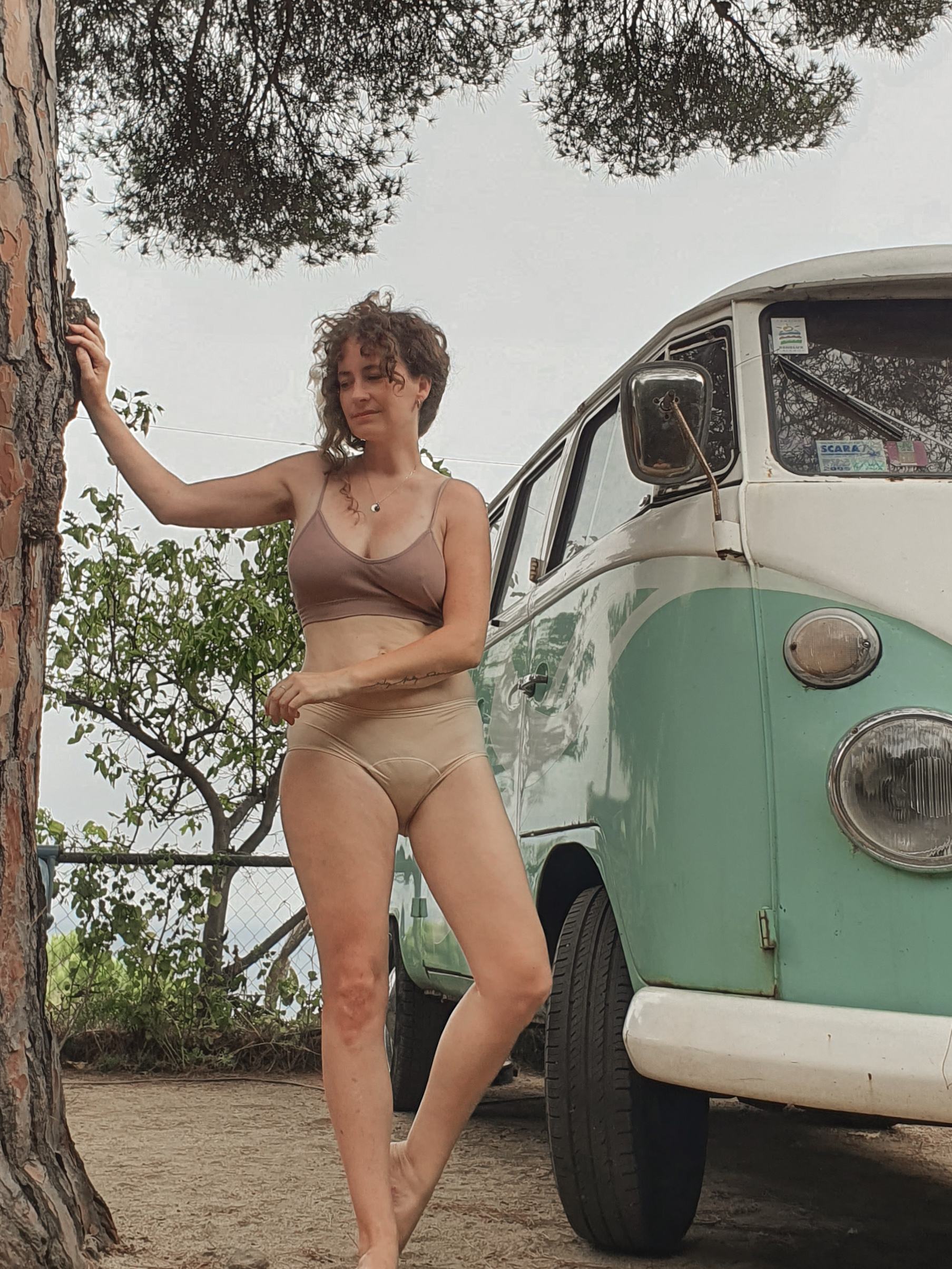
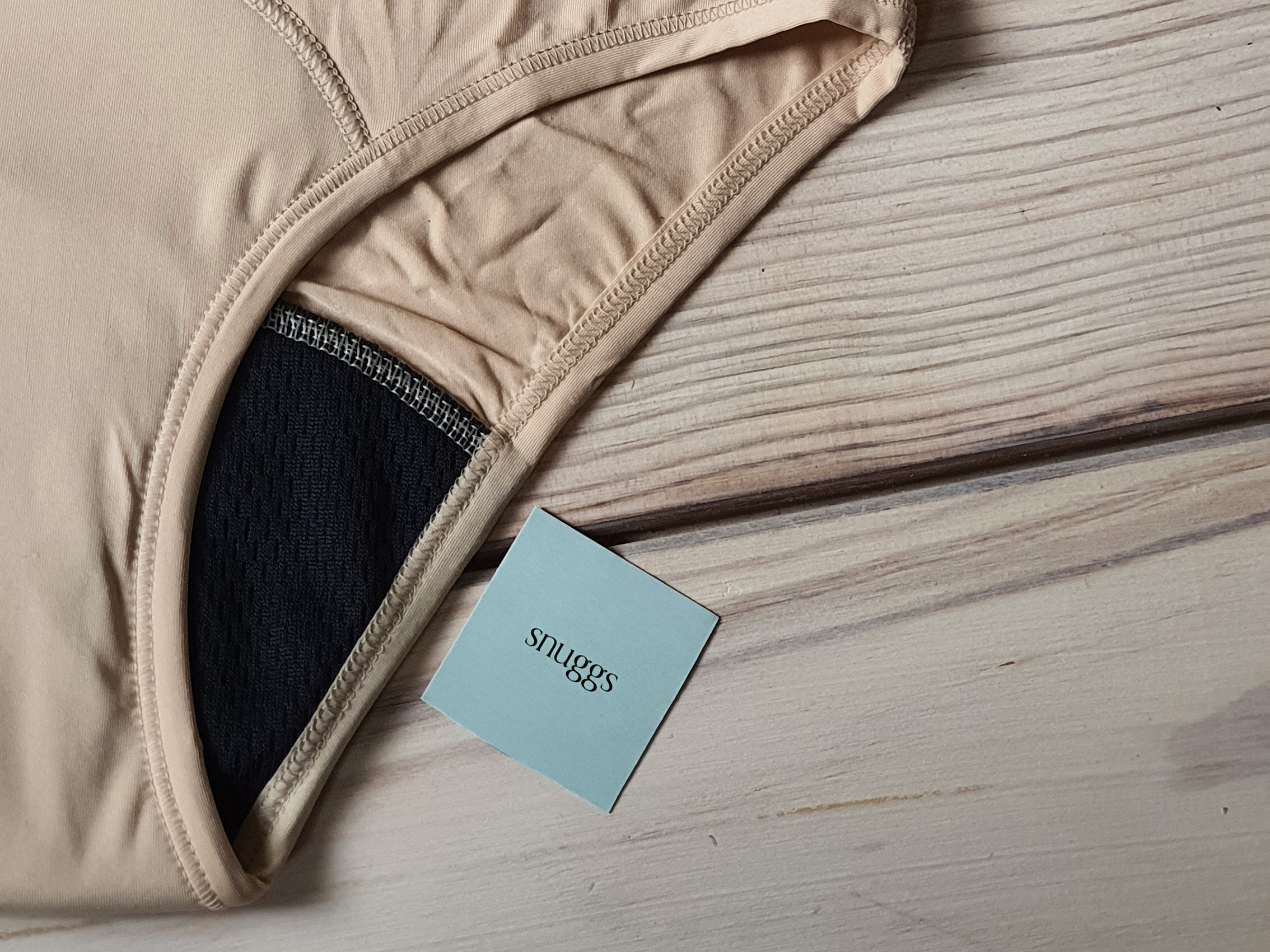
Model: Beige
Merk: Snuggs
Materiaal: The body of the underwear
86% nylon 14% elastane, Functional layer: 100% polyester, Absorbent layer: 100% cotton, Impermeable membrane: 95% cotton, 5% PUL
Absorptie: Absorbeert ongeveer 3 tampons/Maandverbandjes
Review: Lekker gaan sporten in je yoga legging met deze! Dit is wat je noemt subtiele en comfortabele menstruatieondergoed voor elke dag.
De Snuggs absorbsielaag bedekt een ruim vlak van de onderbroek, daarnaast sluit het model mooi aan op je lijf zonder te knellen. Deze is zeker comfortabel genoeg om lekker te bewegen of in te werken.
Prijs: €36,-
Link: Snuggs.nl
Kortingcode 15%: WILDANDBOHO
Geldig tot: 19 september 2022

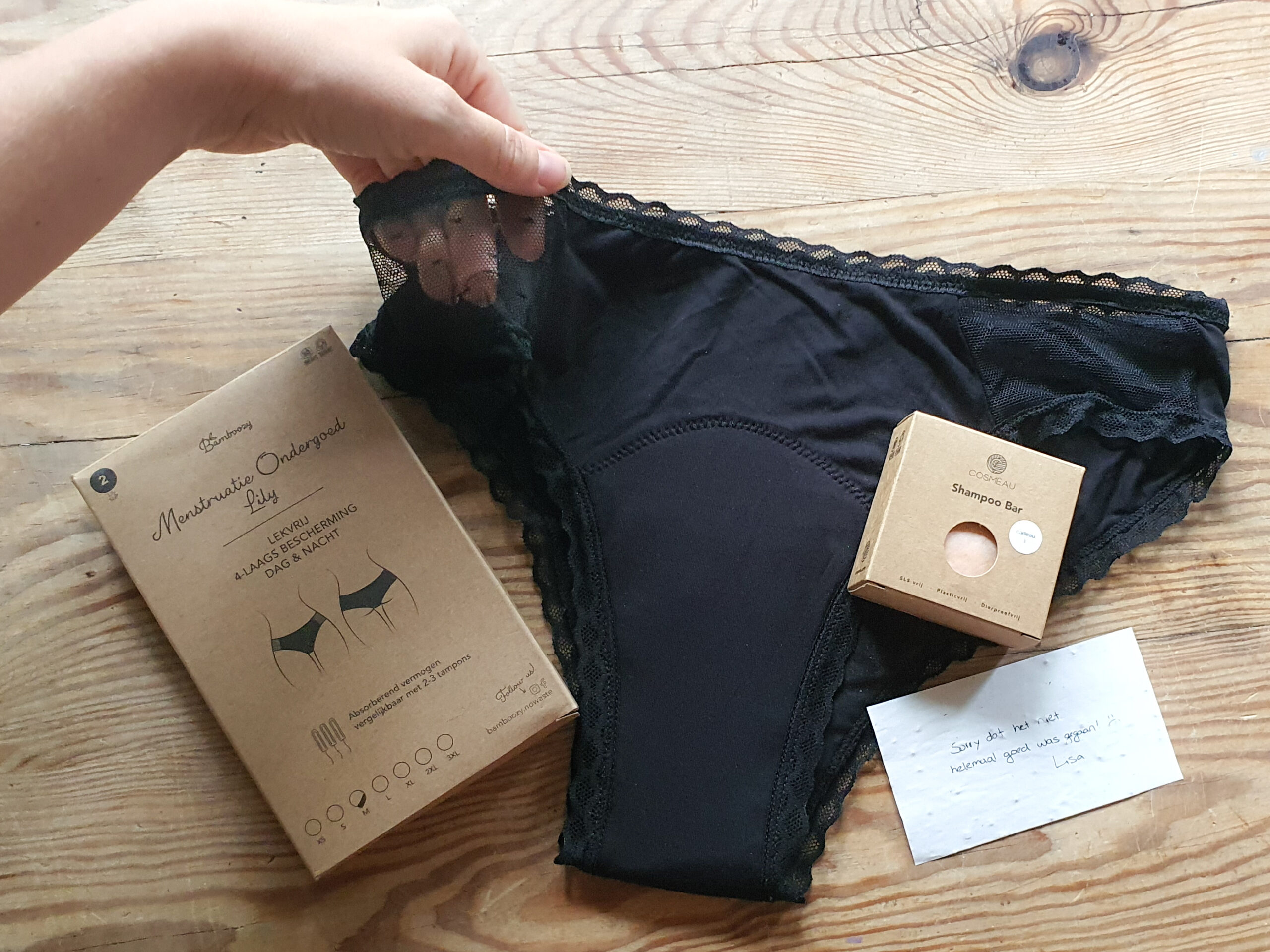
Model: Lily
Merk: Bamboozy
Materiaal: Eerste laag 95% katoen, 5% spandex, Tweede laag 80% polyester, 20% nylon, Derde laag PUL waterproof, Vierde laag 95% bamboo 5% spandex
Absorptie: Absorbeert ongeveer 3 tampons/Maandverbandjes
Review: Dit was de eerste menstruatie onderbroek die ik had geprobeerd en met deze was ik dus ook meteen om! De stof zit super zacht en soepel. voelt niet syntetish aan waarschijnlijk omdat de lagen die je huid raken weinig syntetische stoffen gebruiken. Deze heb ik de eerste 2 maanden gebruikt in mijn gehele menstruatie periode. Mooie allround onderbroek met een heel mooi prijskaartje (daarbovenop met extra korting voor mijn volgers/lezers met de code hieronder).
Prijs: €18,95
Link: bamboozy.nl
Kortingcode 10%: WILD10
Geldig tot: onbepaalde tijd 😉 yay!
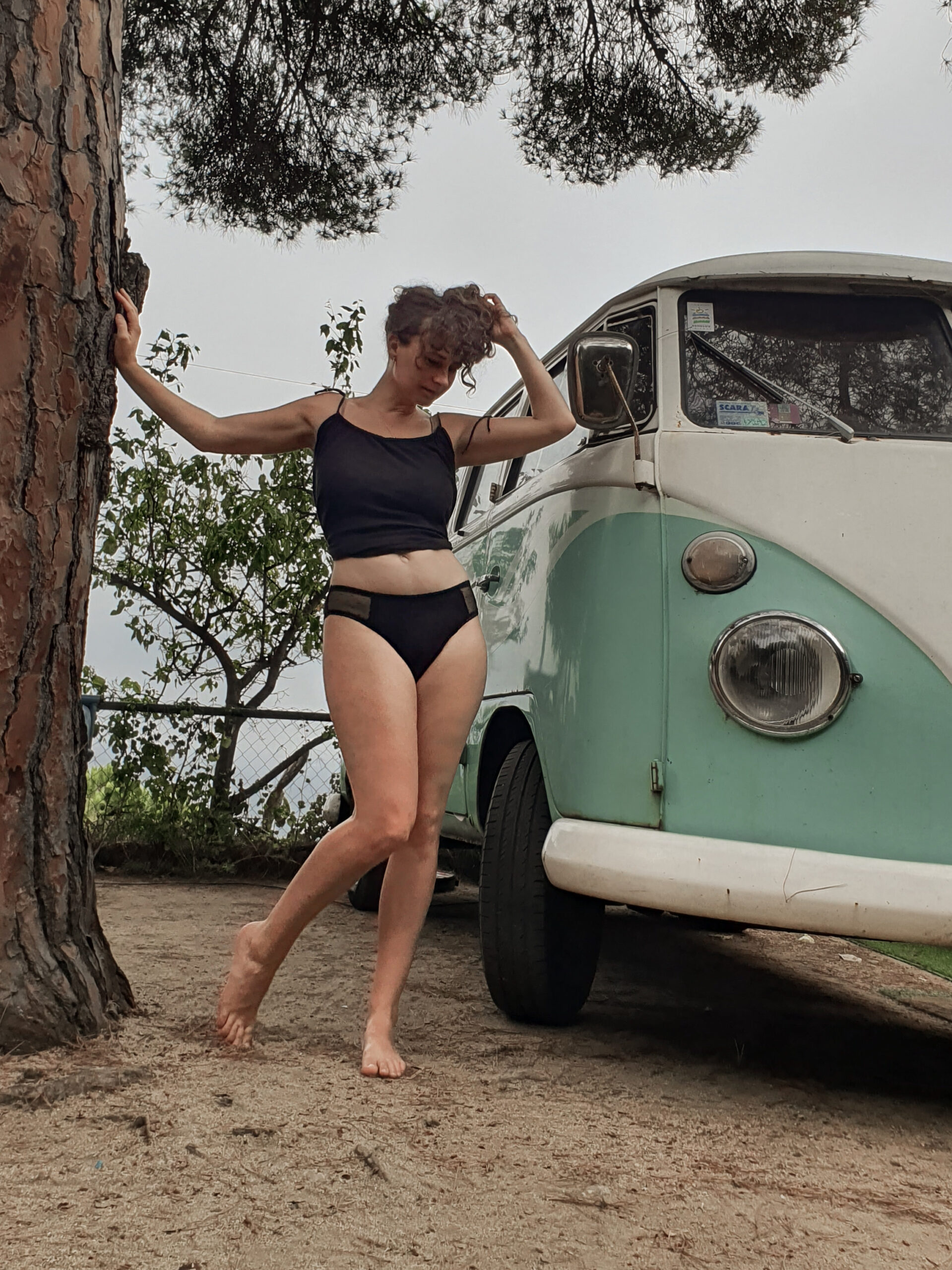
Heavy flow modellen:
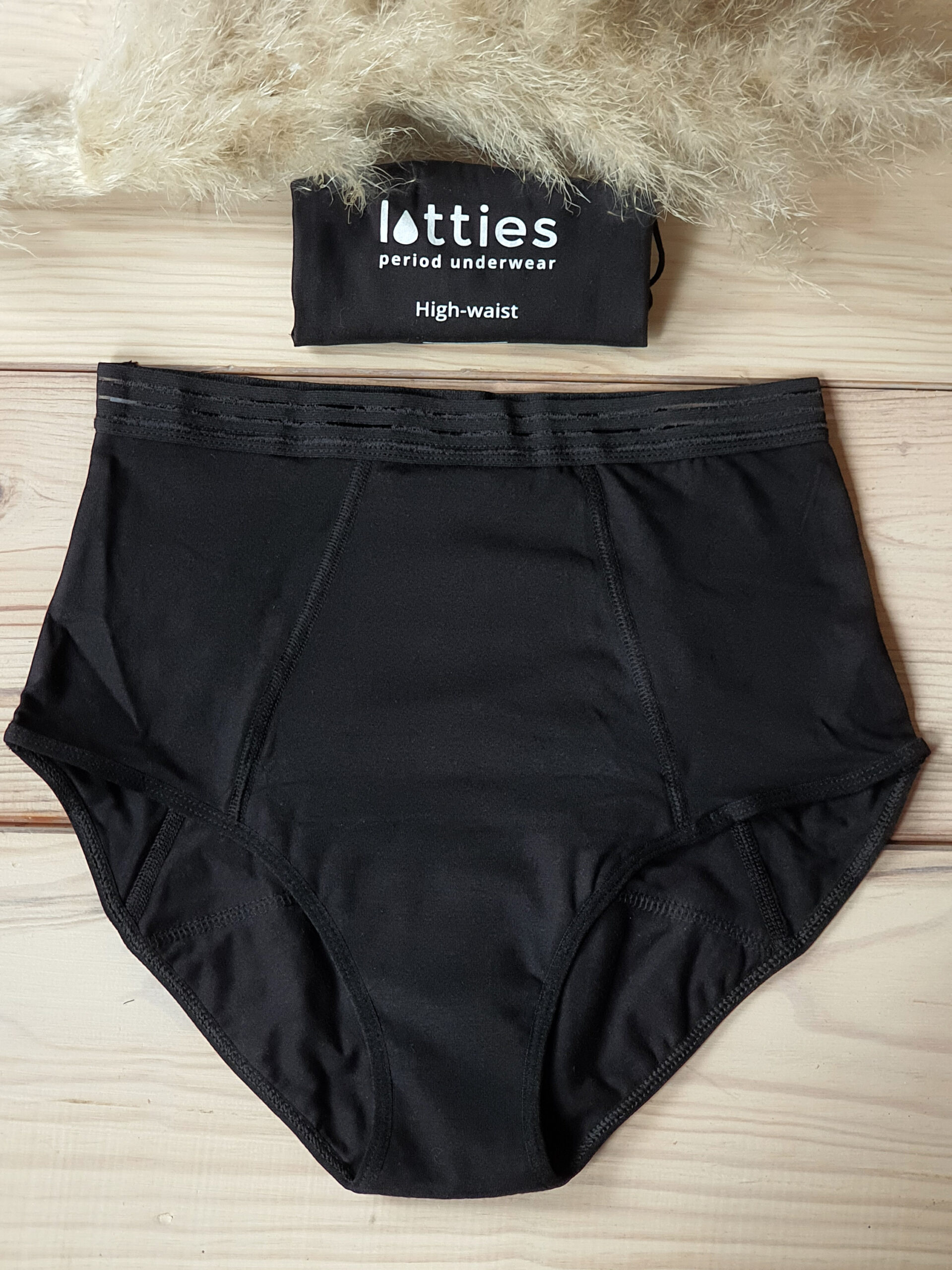
Model: Super High Waist
Merk: Lotties
Materiaal: Lenzing Modal
Absorptie: Absorbeert +3 tampons/maandverbandjes
Review: De stof van deze hoge Menstruatieonderbroek voelt als super zacht katoen of bamboo stof. In ieder geval zeer natuurlijk en niet syntetisch. Het model komt lekker hoog, em ook het absorbsievlak van dit model komt lekker hoog zodat dit model ook perfect is bij een hevig vloeien en voor zekerheid in de nacht. De stevige talle elastiek bovenin houd alles goed op zijn plek. Dit comfortabele model vind ik ideaal voor de eerste dagen van mijn menstruatie.
Prijs: €28,95
Korting code: wildandboho20
Deze code geeft 20% korting 🙂
Tot 31 dec 2022
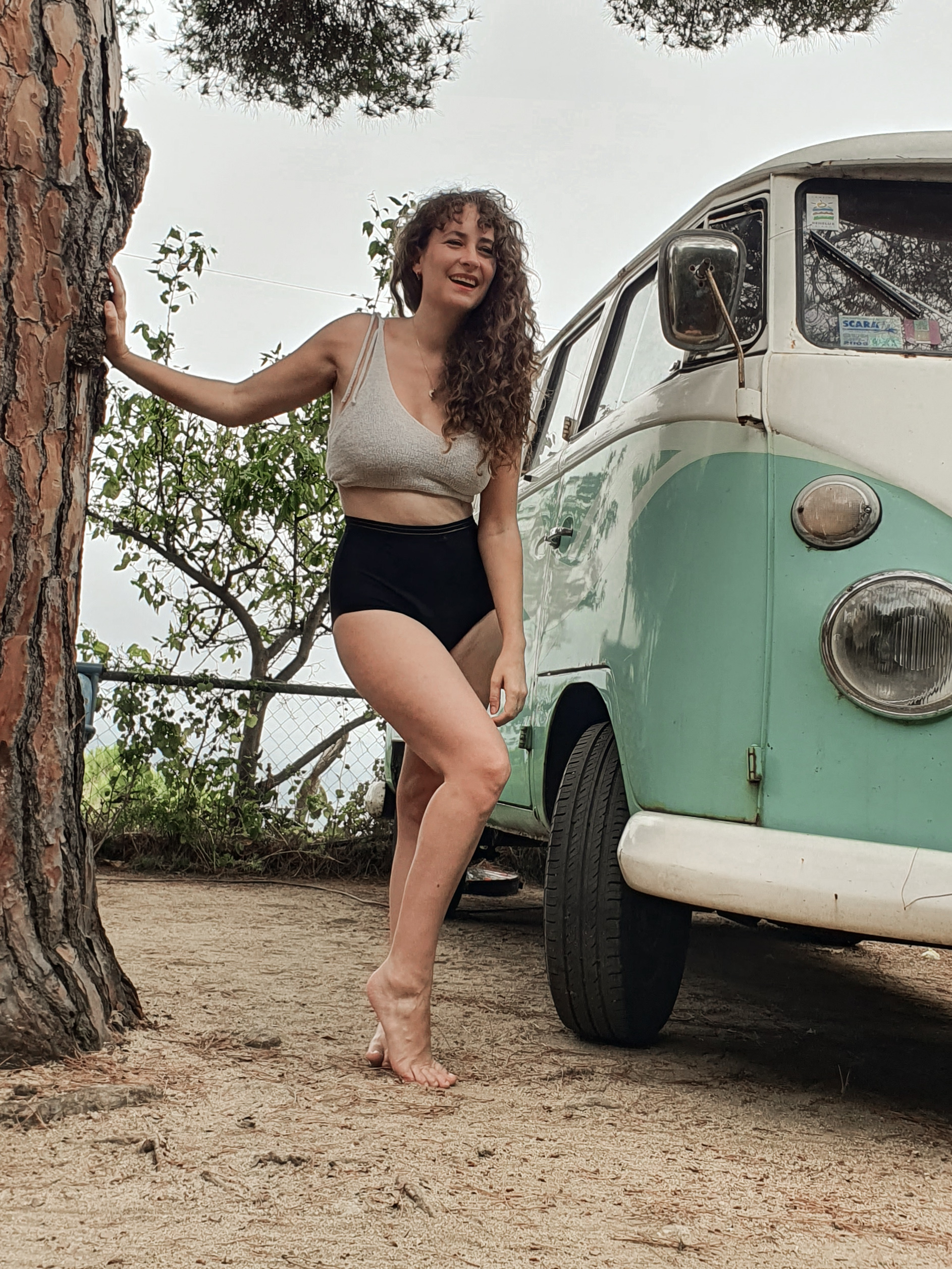
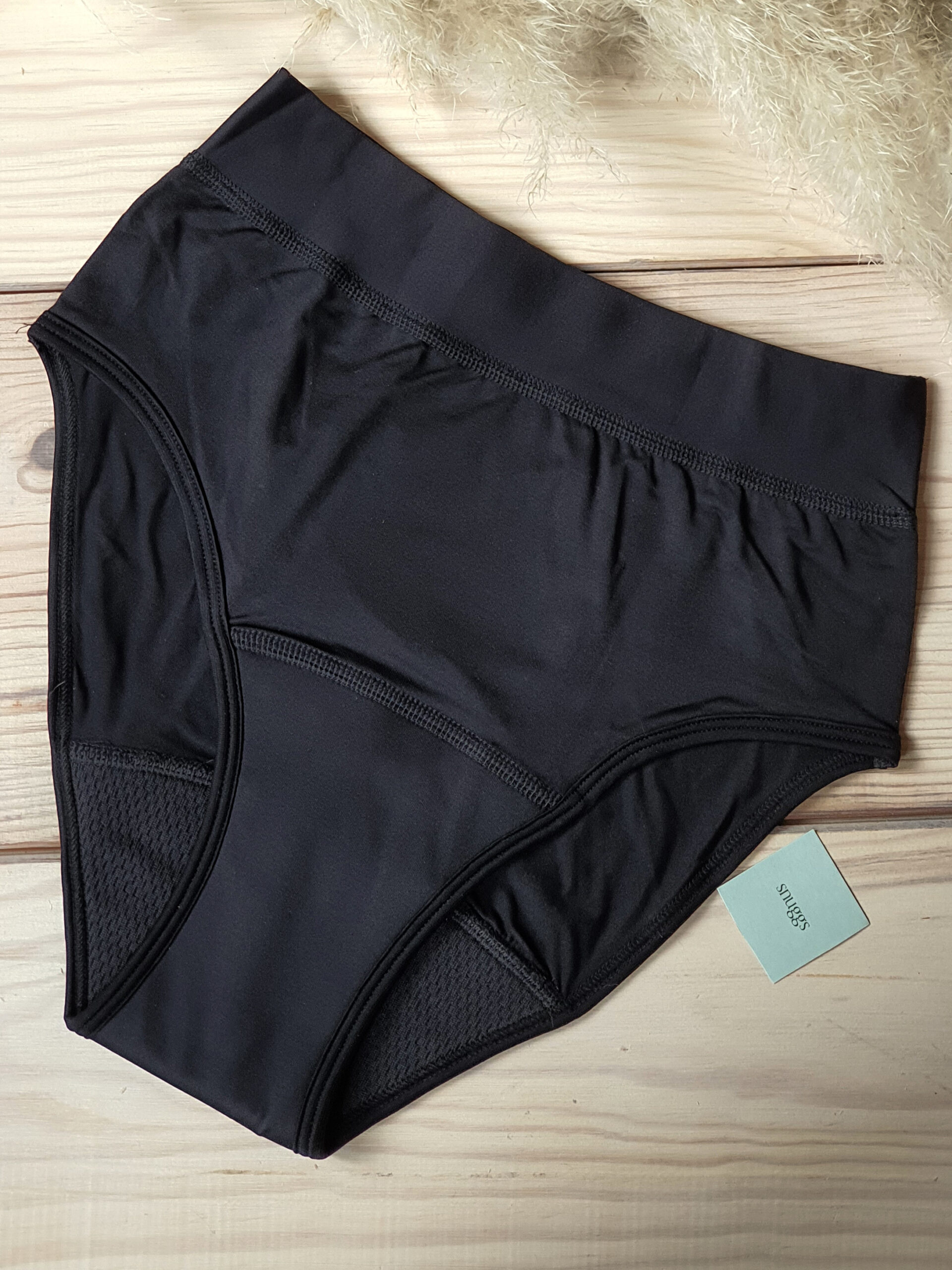
Model: Hugger
Merk: Snuggs
Materiaal: The body of the underwear: 93% nylon, 7% elastane, Functional layer: 100% polyester, Absorbent layer: 100% cotton, Impermeable membrane: 95% cotton 5% PUL
Absorptie:  Absorbeert 4 tampons/maandverbandjes
Review: Voor de eerste meest heftige dag(en) en nacht(en) van je menstruatie vond ik dit model echt heerlijk. Niet meer wakker worden met gevlekte lakens, deze Menstruatie onderboek geeft een ultra veilig gevoel! De absorbsie is zelfs gelijk aan 4 maandverbandjes of tampons en dat is te merken. De bovenrand voelt zacht en breed en de syntetische stof vormt zich naar je lijf zonder te knellen. ook fijn voor overdag als je hevig vloeit. Niet meer elke stoel checken waar je op hebt gezeten of in elke reflectie je kleding controleren op doorlekken. Deze Menstruatie onderbroek kan jou vloed gemakkelijk aan!
Prijs: €42,-
Kortingcode 15%: WILDANDBOHO
Geldig tot: 19 september 2022
Link: Snuggs.nl
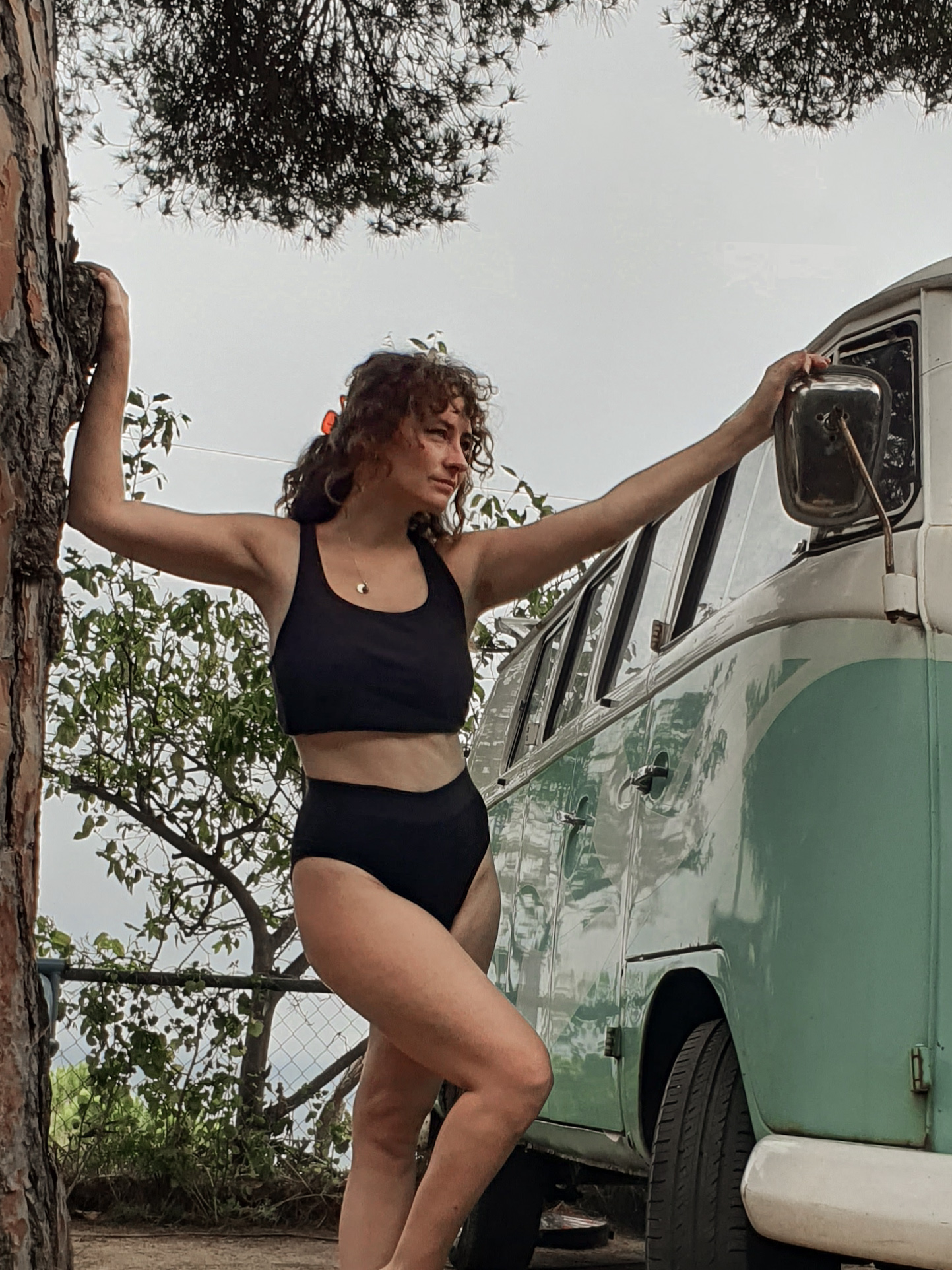
Wat denk je ervan!?
Ik denk dat je nu zeker een beter idee hebt van welke onderbroek het beste bij jou en de flow past. Ik wil je vooral aanmoedigen om er eentje te gaan testen. Als je een maandverband gebruiker bent denk ik dat er een wereld voor je open zal gaan.
Mocht ik meer modellen testen in de toekomst zal ik deze hier aan deze vergelijkingsblog toevoeggen.
Laat me vooral weten wat jou ervaring is met de menstruatie slips zijn of stel je vraag hieronder in de comments.
Liefs,
Jolanda
Sidenote: Ik werk uitsluitend samen met duurzame brands die ik vertrouw. Voor dit blog ben ik niet gedoken in de transparantie van de duurzaamheid claims en het factchecken van de gehele productielijn van het ondergoed van deze brands. (Dat laat ik even over aan de echte journalisten) Ik ben wel van mening dat zelfs al zou de productie tóch niet 100% duurzaam zijn, het toch altijd nog beter is al elke maand al dat plastic met katoennen maandverband en tampons weggooien en te laten verbranden bij de afvalverwerking. Deze onderbroekken gaan daartegenover jaren lang mee gelukkig.
Met een hoop kleine stapjes de goede kant op hebben we gezamelijk een enorme positieve impact op de wereld waarin we leven.
Het hoeft niet perfect. Maar het moet wel beter…
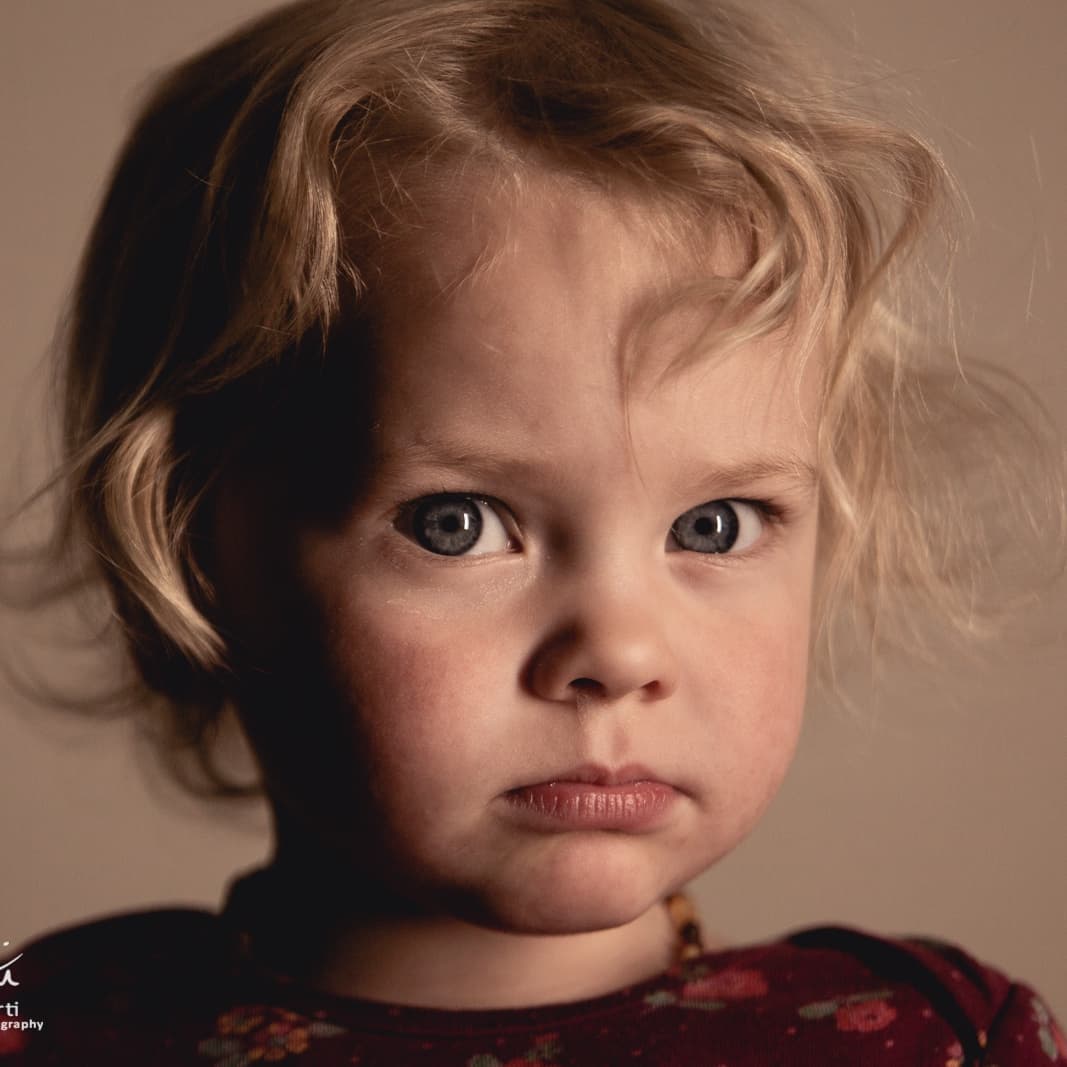 Expressies. Ik verzamel ze. Van micro tot mega expressie. Love it all. Bij kinderen flitsen er vaak per seconde wel 3 tot 4 expressies langs. Dromerig, de verte in starend. Breed uit schaterlachend, rebels vol plannetjes. Boos of verdrietig. Kinderen schakelen razendsnel en voelen vaal alle emoties tegelijkertijd door zich heen schieten.
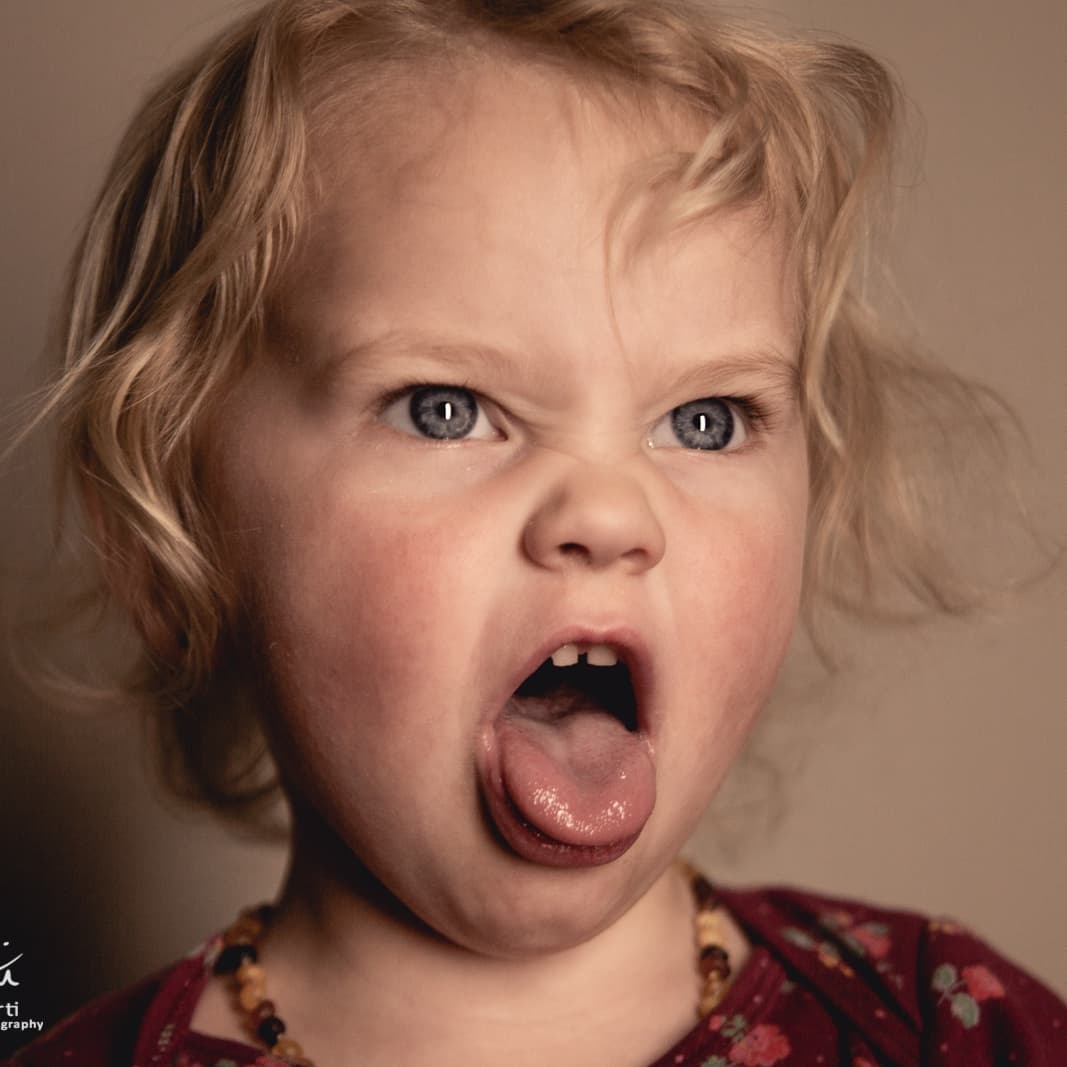
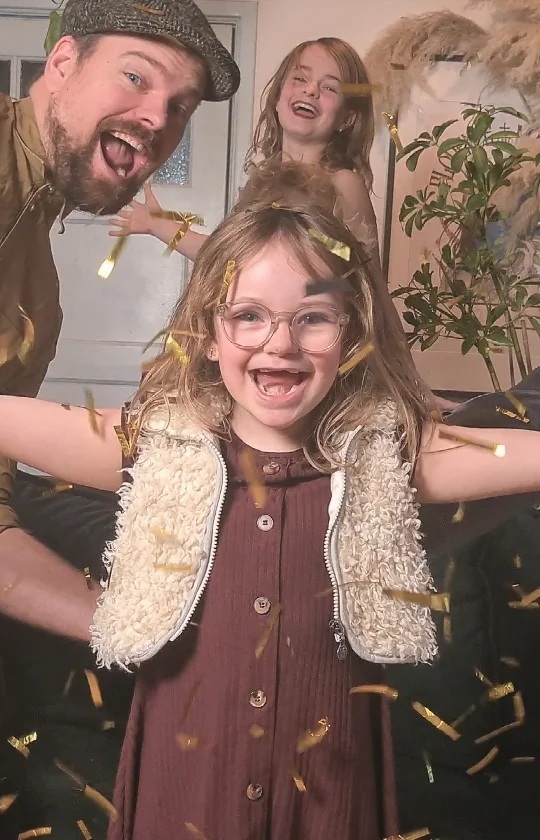 En traditie getrouw! Happy 2022 van ons!! 🥂🍾🥂🍾
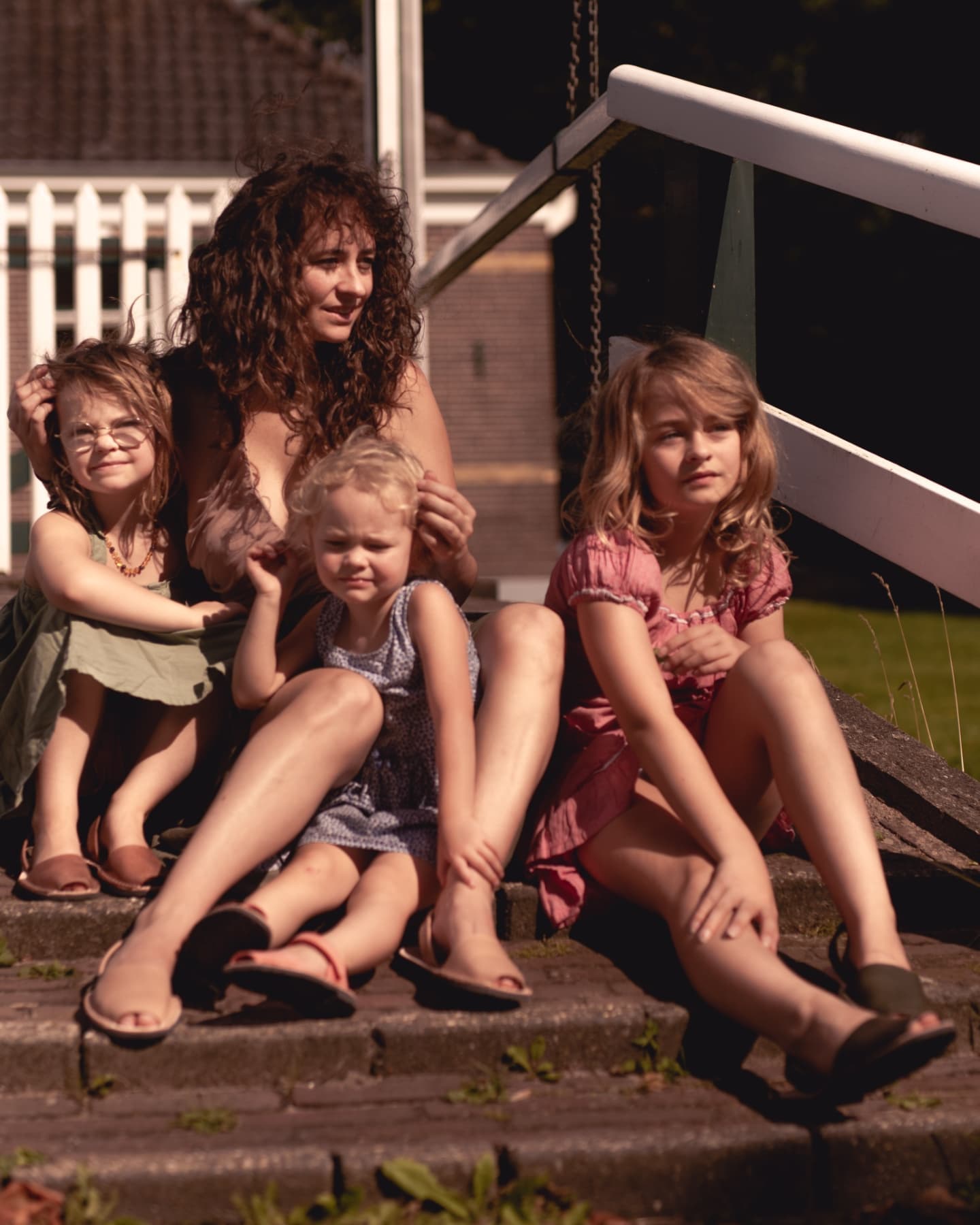 2021 was voor ons chaotisch. Een schakelpunt waarin we ons met een hoop groeipijnen verschillende knopen hebben doorgehakt. We moesten keuzes maken in een rare situatie. We hebben geweldige momenten meegemaakt, maar ook enorme tegenslagen geïncasseerd. Hoge pieken diepe dalen