nov 20, 2021
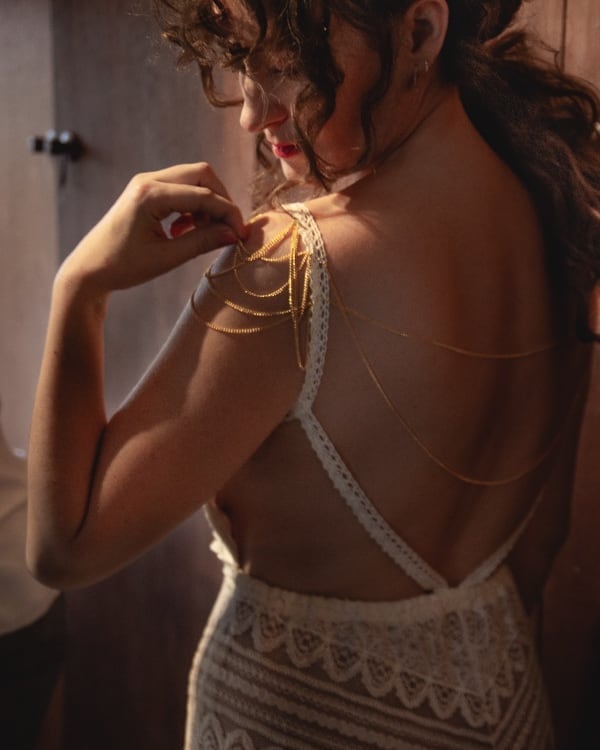
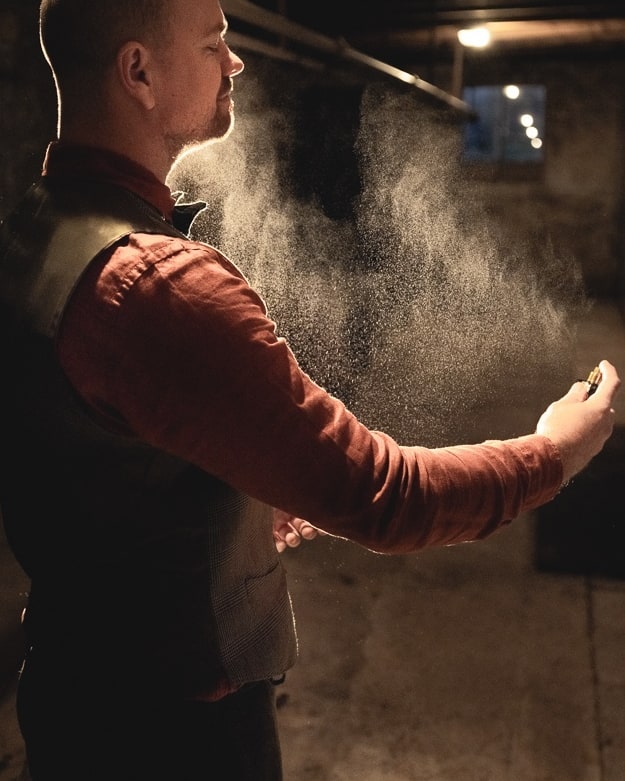
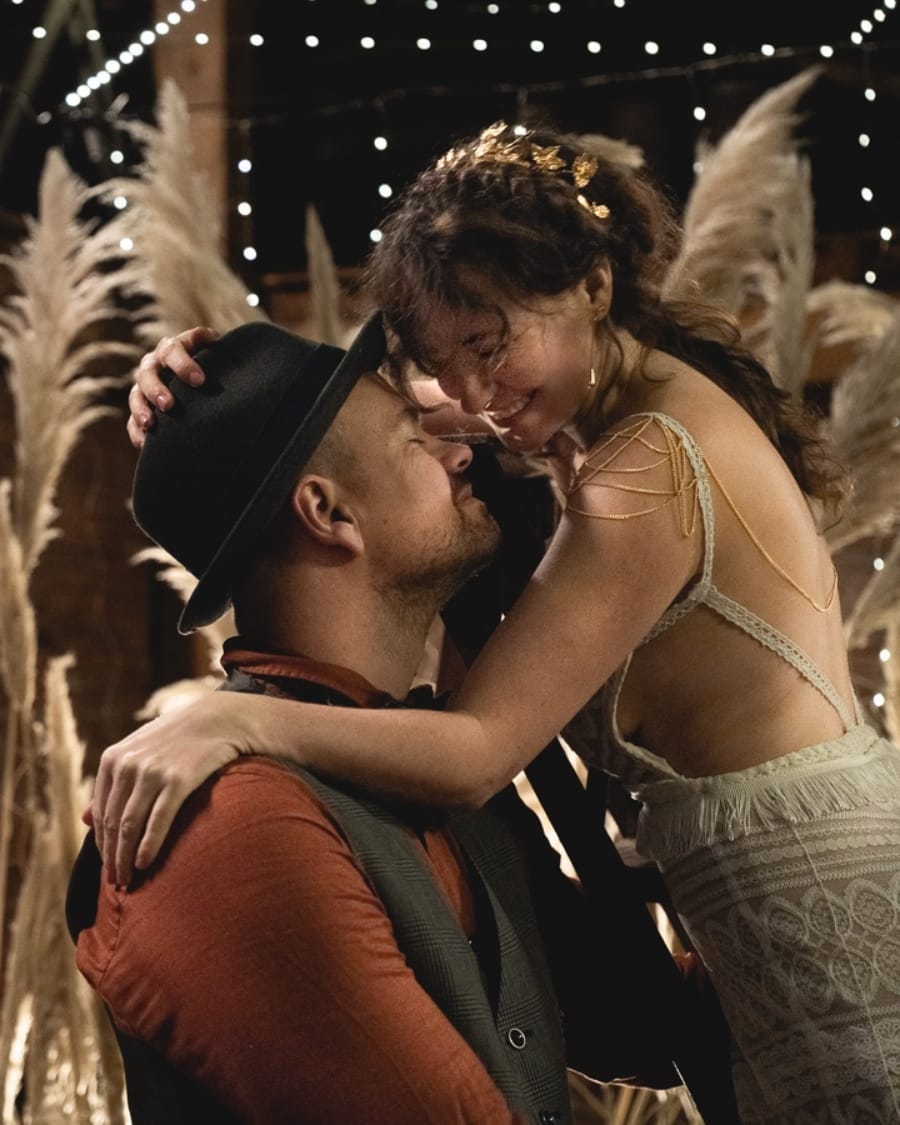
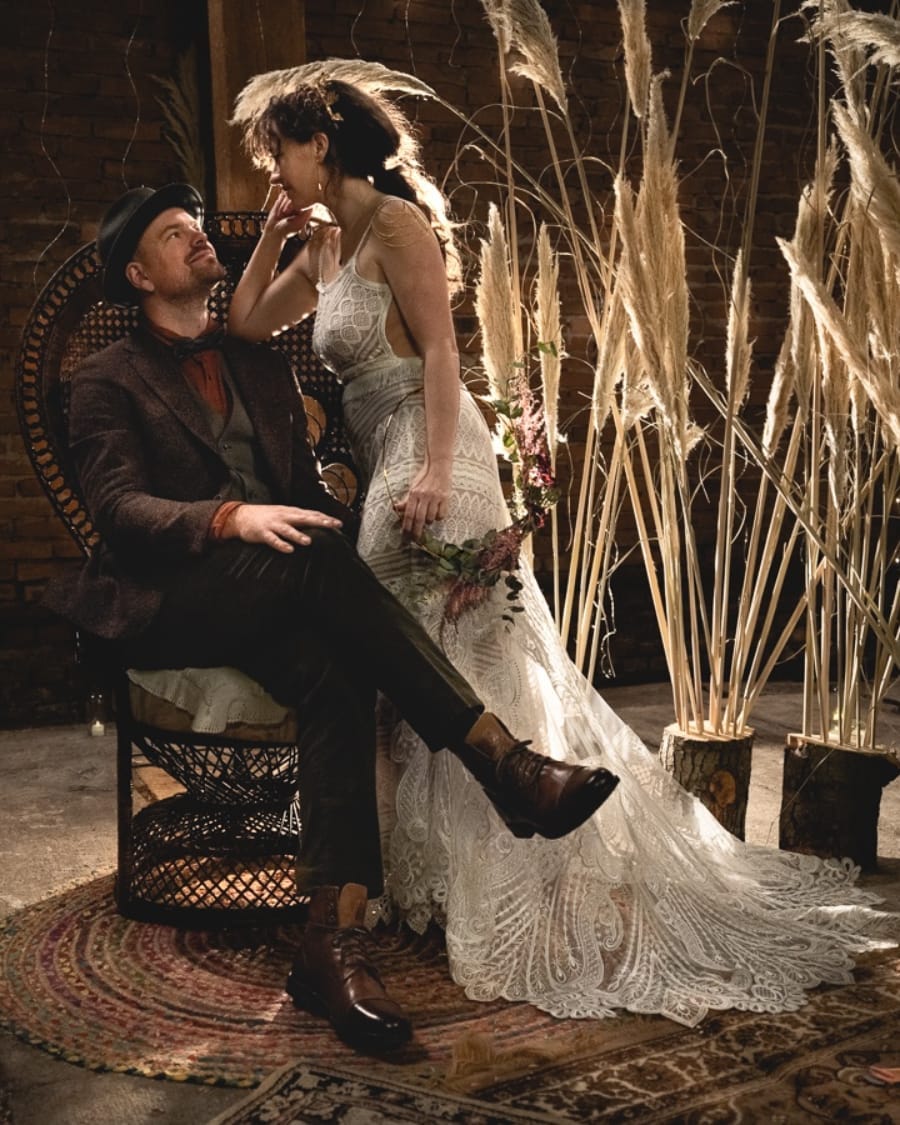
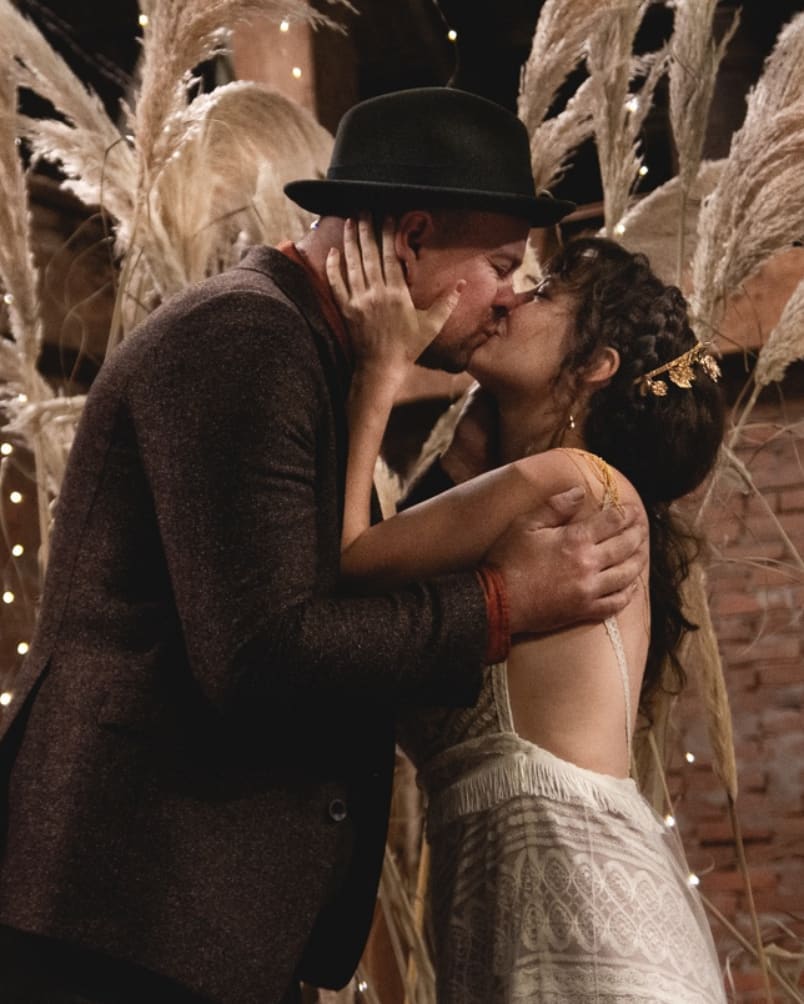 It happend! This is not a drill! We got married! 12•11•21 YAY!
Na 6 jaar plannen, uitstellen, nog eens plannen en weer uitstellen hebben we 2 maanden geleden besloten om te springen zonder lange aanloop.
Niet langer wachten en gewoon gaan!
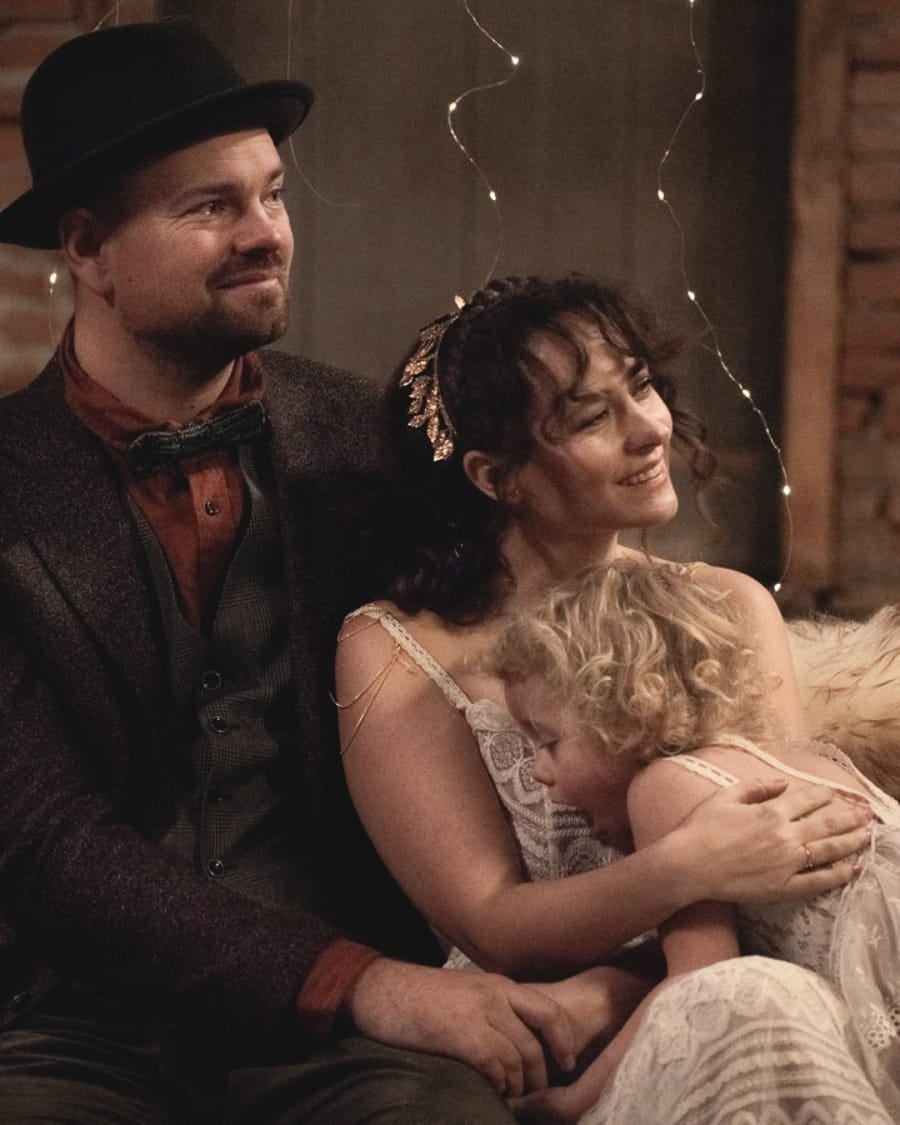
Precies op het kantelpunt dat we langer “samen” op deze aardbol rondlopen dan alleen. We zijn nu 18 jaar samen. We stromen over van liefde en het was zo mooi. Maar het feest is nog niet helemaal voorbij!
We vieren komend jaar onze 4 seasons wedding.
-Herfst – Ceremonie & diner
-Winter – Shoot
-Lente – Honeymoon
-Zomer – ️ Geloftes, Ringen en Feest!
We hadden 8 weken de tijd om alles te plannen en regelen voor de Ceremonie. Van outfits, uitnodigingen en diner tot gemeente, locatie en styling. Het waren heftige weken maar we made it.
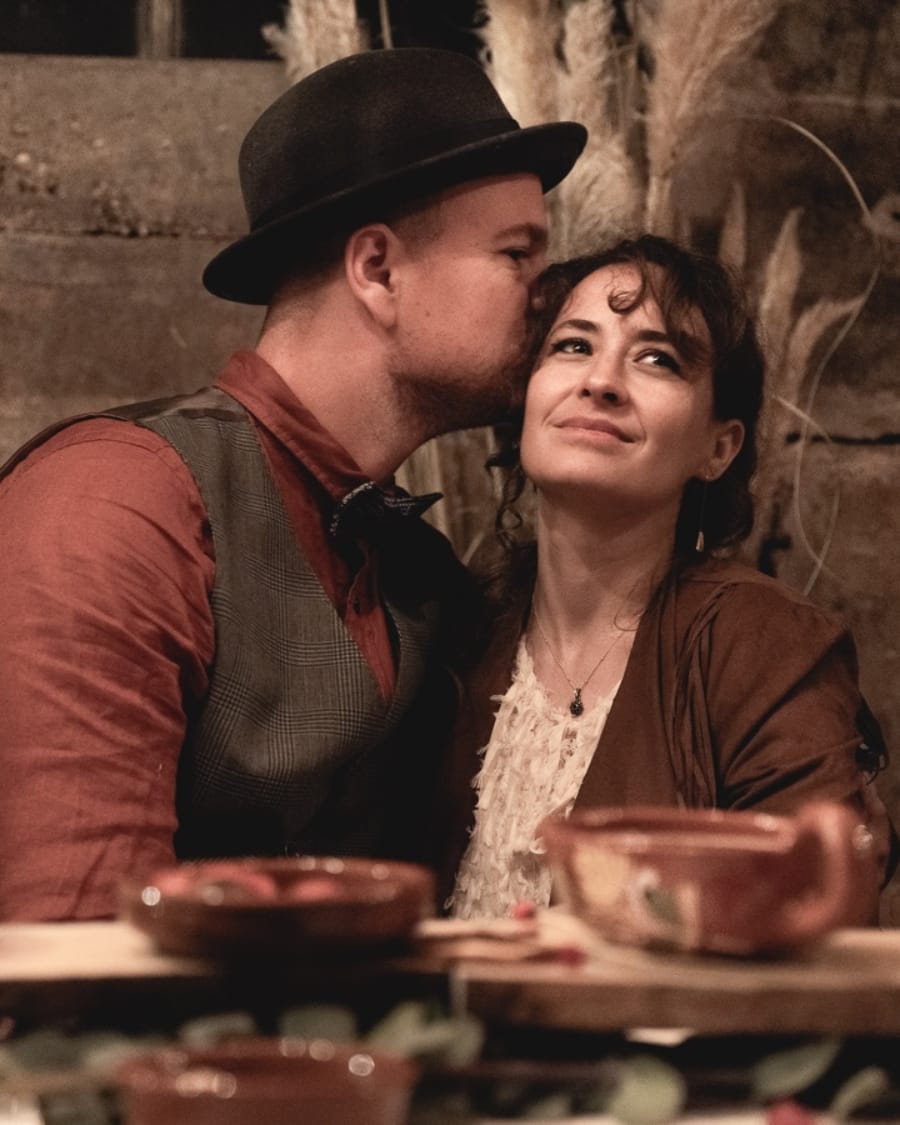
Vorige week vrijdag was het officiële ja-woord, en een diner met een kleine club mensen. Maar nog geen ringen, geloften of feest. Die komen er nog aan komend jaar!
Bewust ben ik offline geweest voor de voorbereiding van onze bruiloft. Foccus naar binnen in plaats van naar buiten. We wilden onze huwelijksceremonie intiem, puur, liefdevol en sprookjesachtig houden. Geen afleidingen, budget vriendelijk en voor dit onderdeel geen samenwerkingen of verplichtingen. Gewoon wij met een klein groepje mensen waar we van houden gemixt met een vleugje magie en verbeelding.
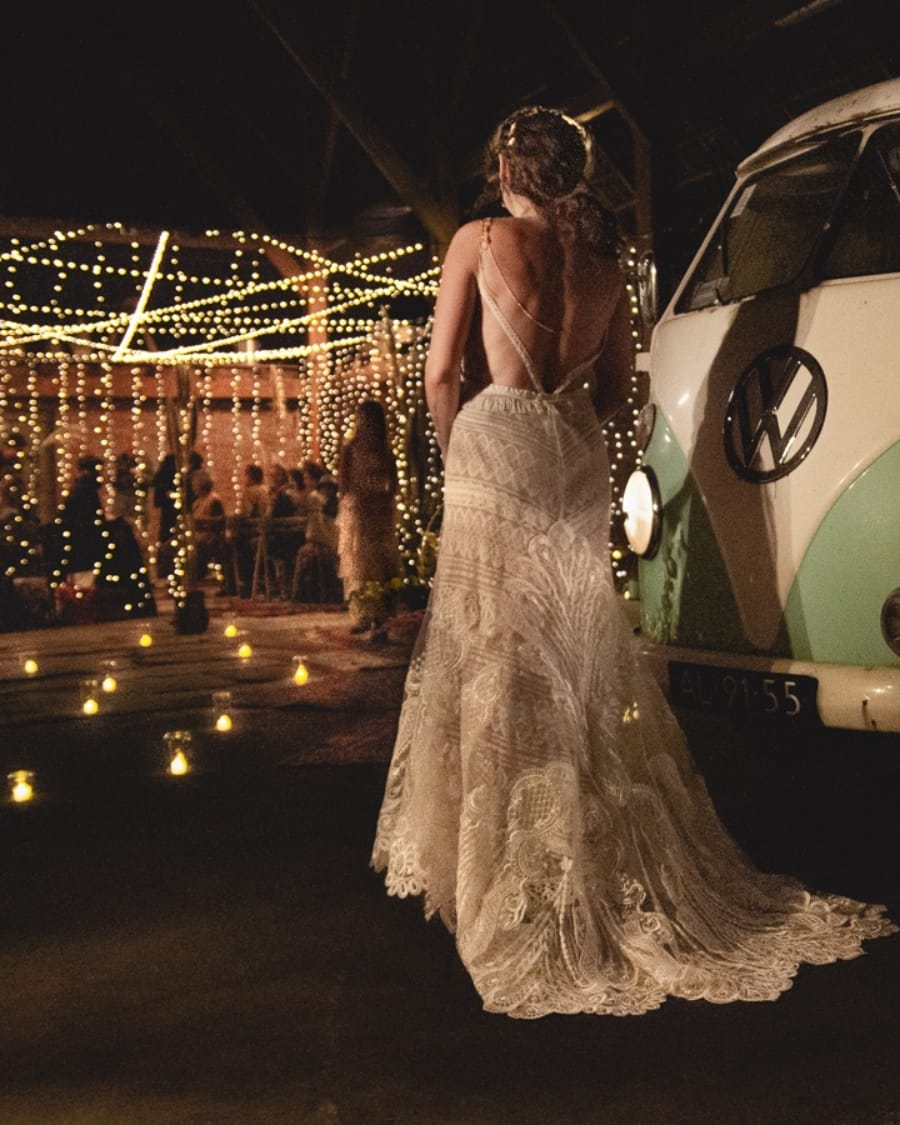
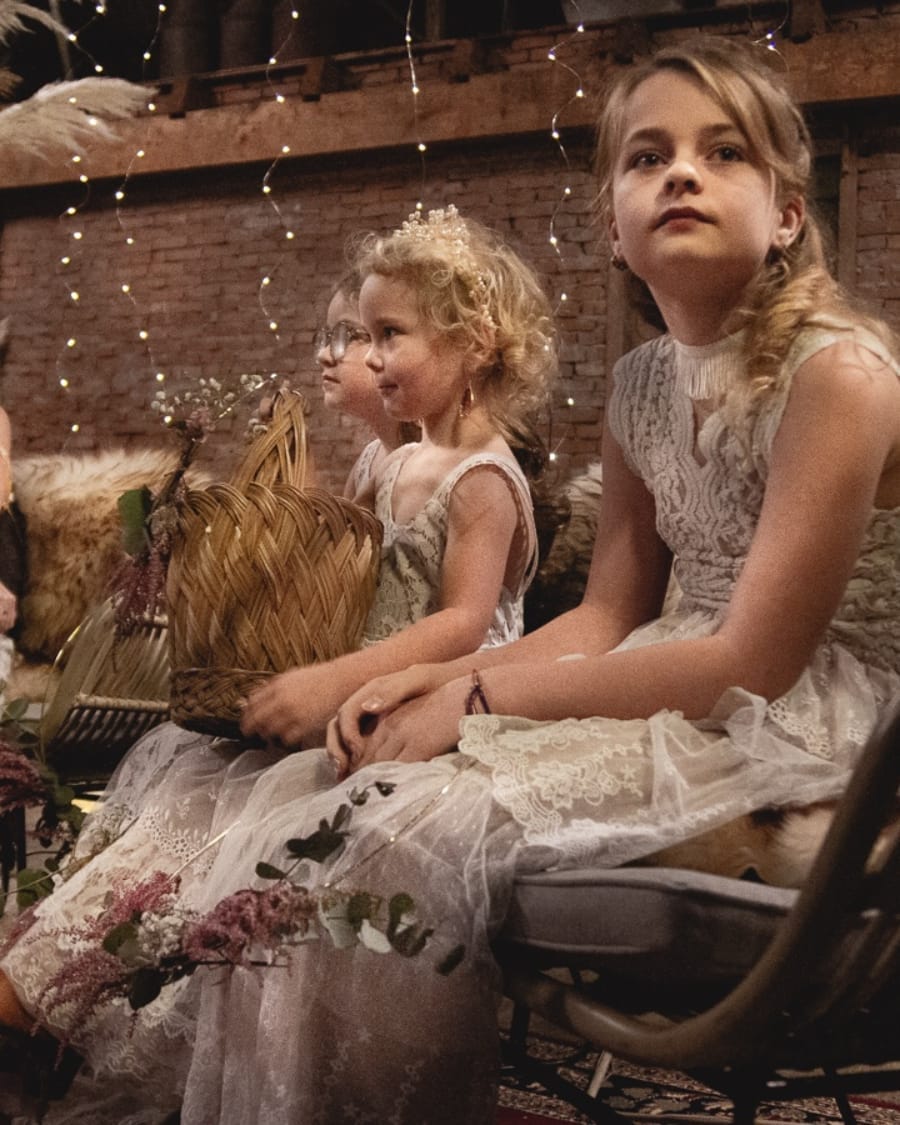
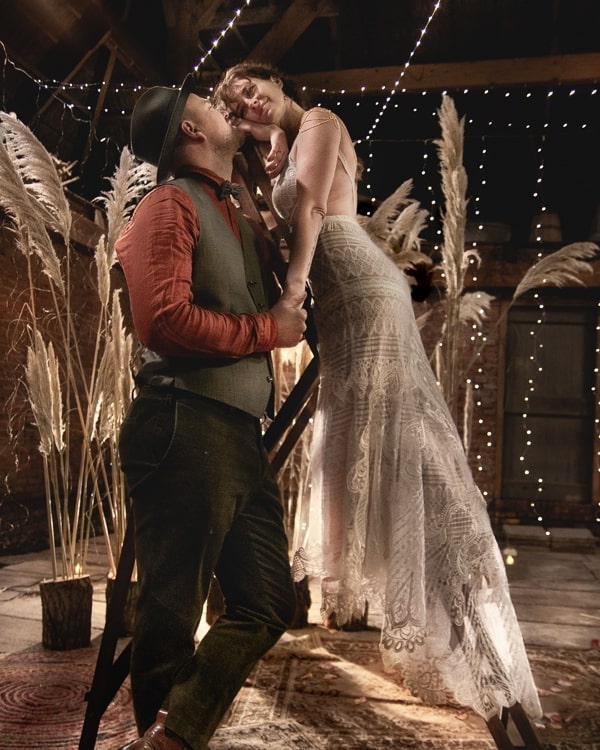
Onze herfst-ceremonie vond plaats tussen een zee van lichtjes, graspluimen, de liefste mensen, tapijtjes en ons gezin vierden we wat we samen met z’n 5jes hebben. We vierden en bevestigen wat ís. Dat we dat elke dag met ons gezin koesteren en al deze liefde geen seconde voor lief nemen. We wilden het vieren en bekronen. Het was prachtig en een beetje frisjes, maar gelukkig konden we ons warmen aan de liefde en de dans-moves tijdens onze 15 minute danceparty. (En er waren dekentjes en heaters haha die hielpen ook wel mee)
Inmiddels hebben we de dag kunnen laten bezinken. De beelden van onze top fotografen & zijn binnen en ik ga aan de slag om een mooi overzichtje te maken op het blog ergens komende tijd.
Anyhow, I’m back! Hoe is het met jullie in deze rare tijden?
Fotografie: Jolanda Marti fotografie
[igp-video src=”” poster=”https://wildandboho.com/wp-content/uploads/2021/11/it-happend-this-is-not-a-drill-we-got-married-12•11•21-yay-na-6-jaar-plannen-uitstellen-nog-eens.jpg” size=”large”]
Meepraten over dit onderwerp kun je het beste doen op
Instagram: @wildandboho!
Laat een reactie achter onder deze post of onder de instagram post van deze blogpost.
Deze blogpost kun je hieronder terugvinden op mijn Instagram page en klik vooral op de “volg” button om op de hoogte te blijven van al mijn nieuwe blogposts!
[igp-embed url=”https://www.instagram.com/p/CWgtcAjL30F/embed/” width=”612″ height=”710″]
Deel deze blogpost
[supsystic-social-sharing id=’1′]
You might also like to read:
[related-posts-thumbnails]
sep 7, 2021
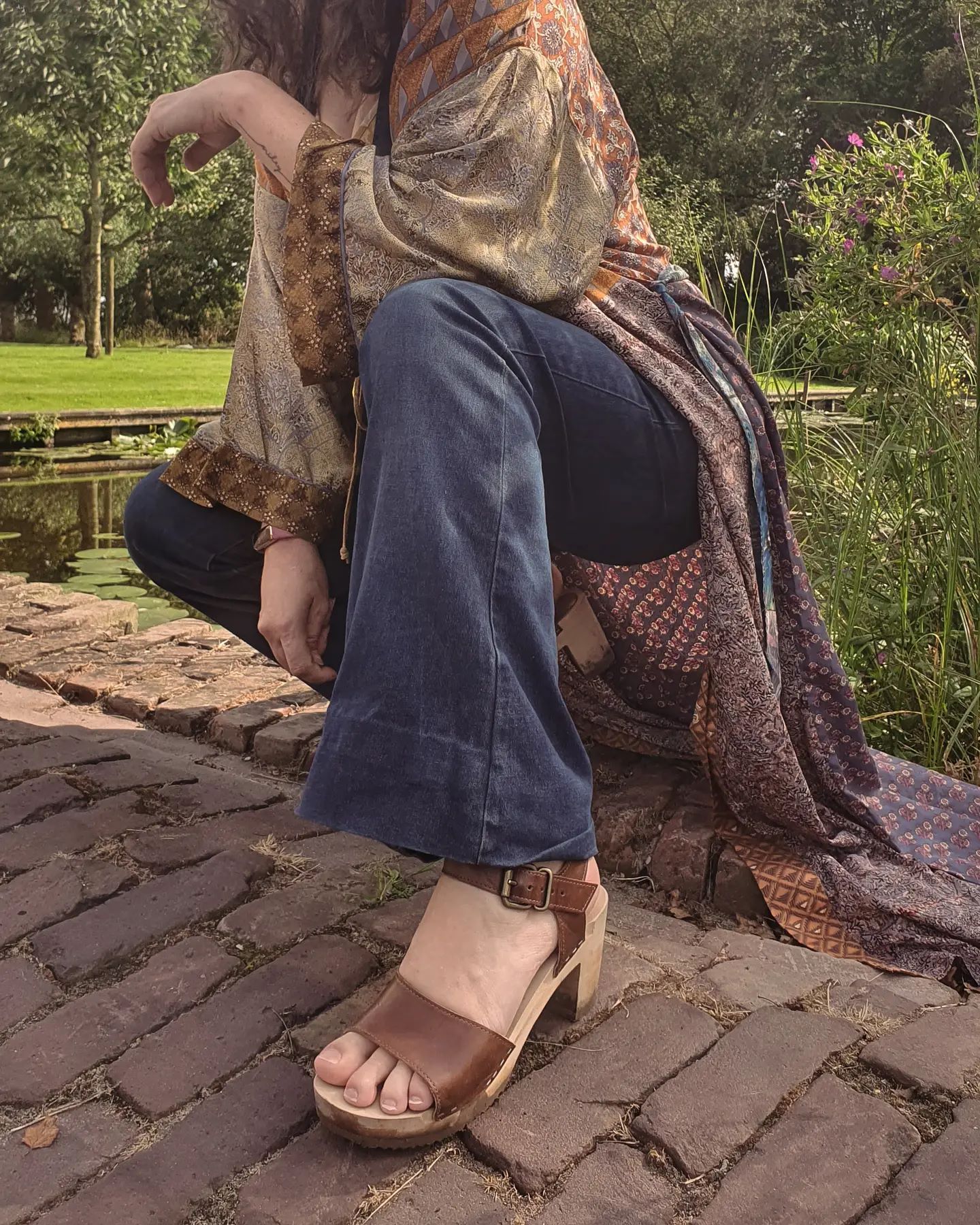
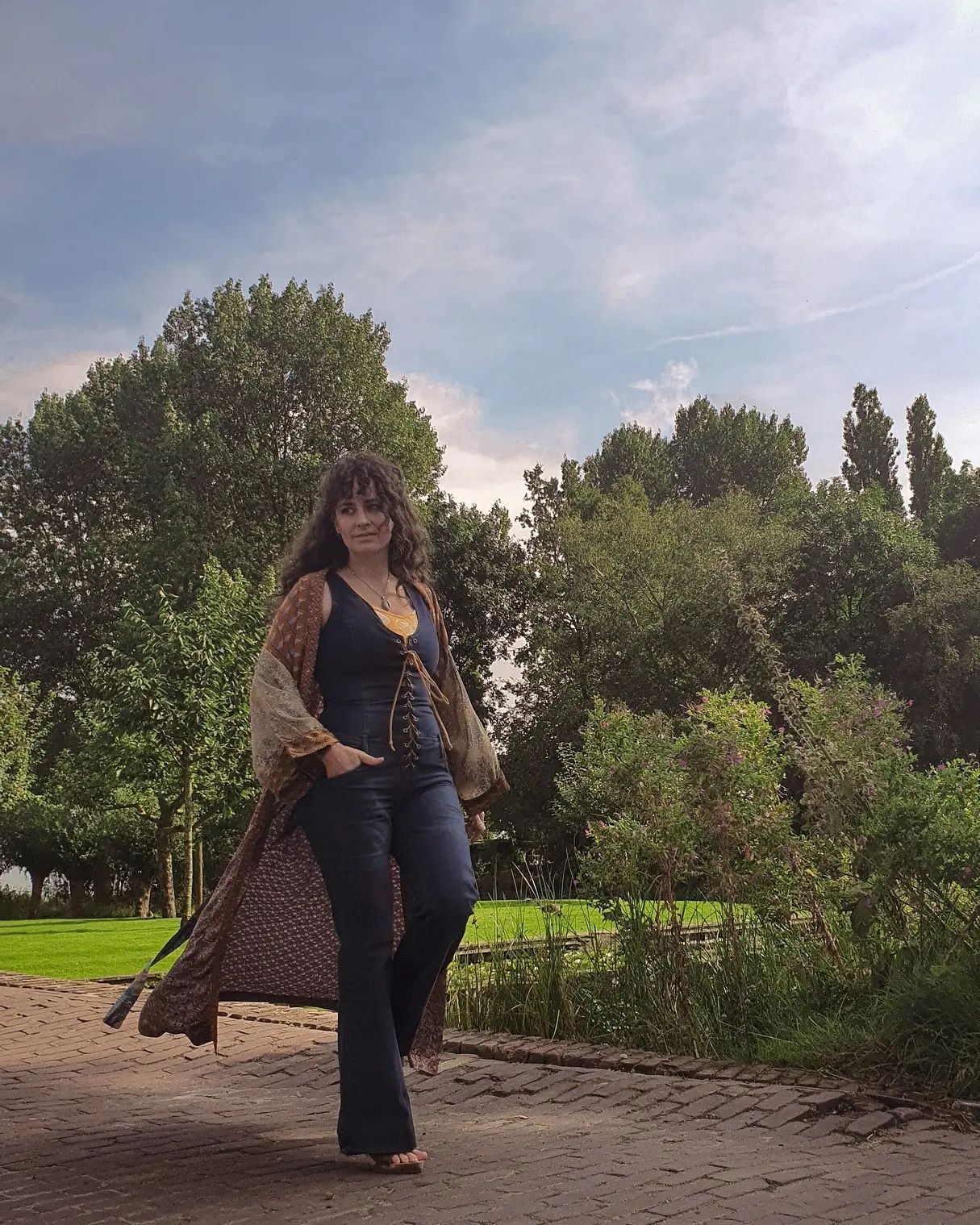
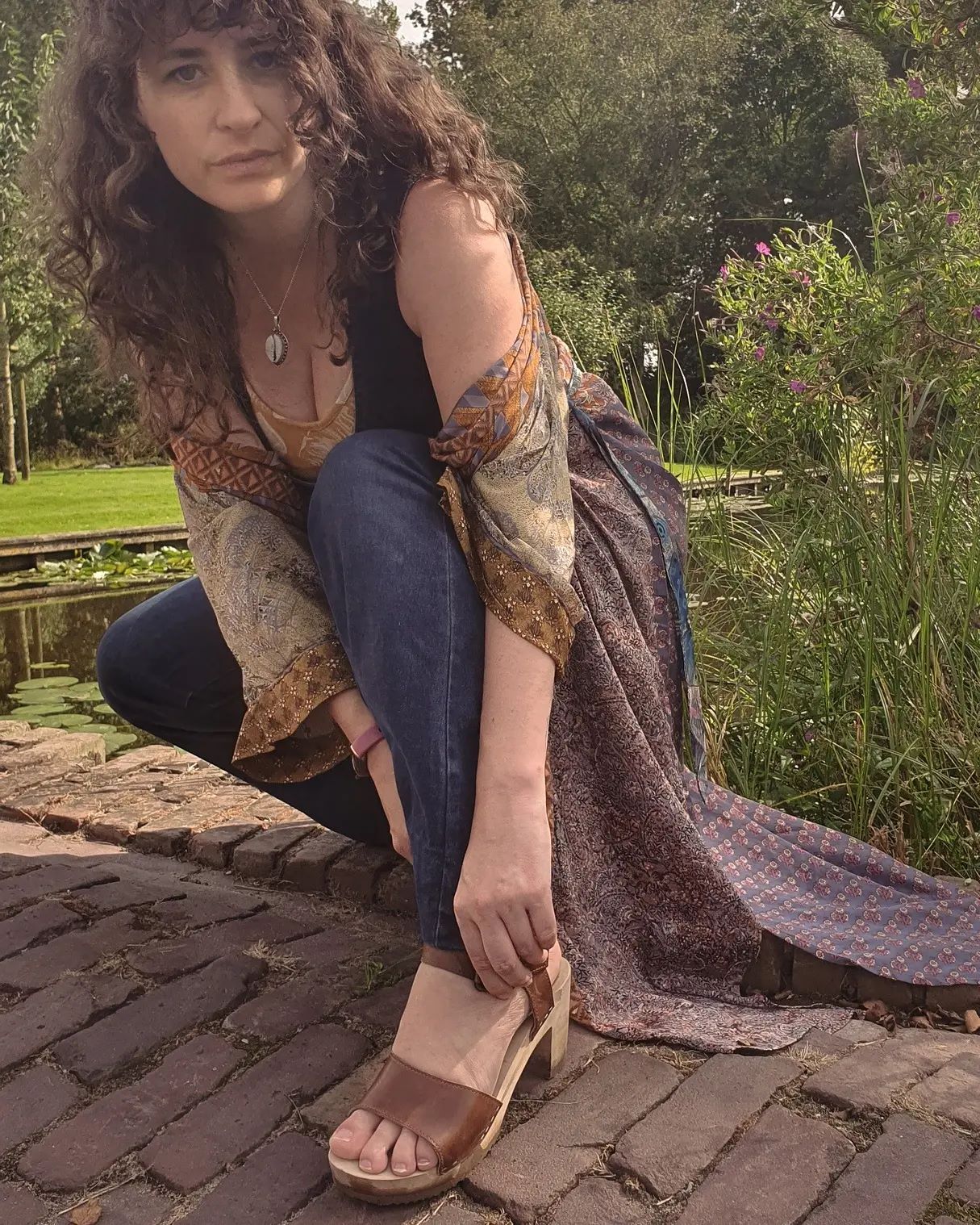
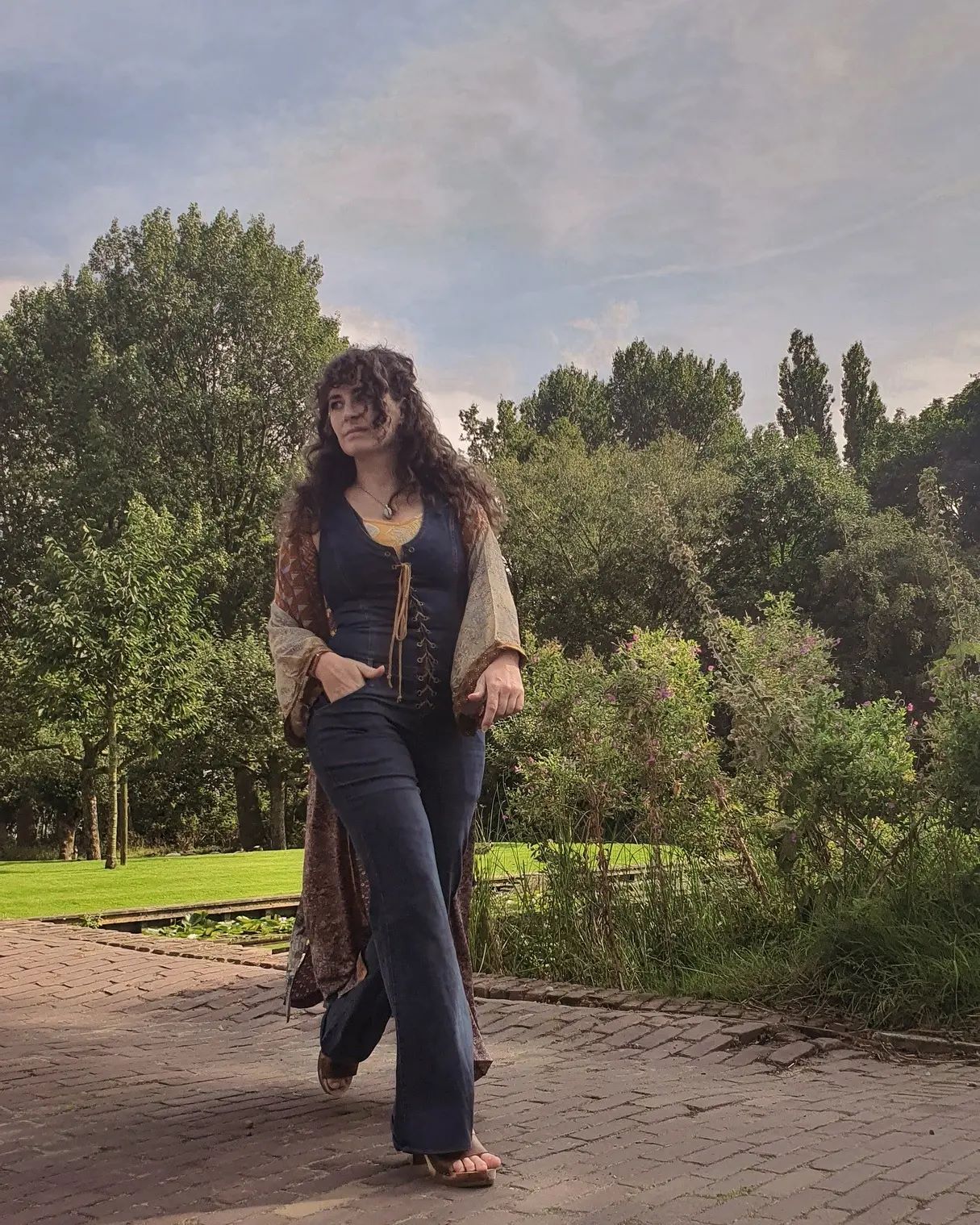
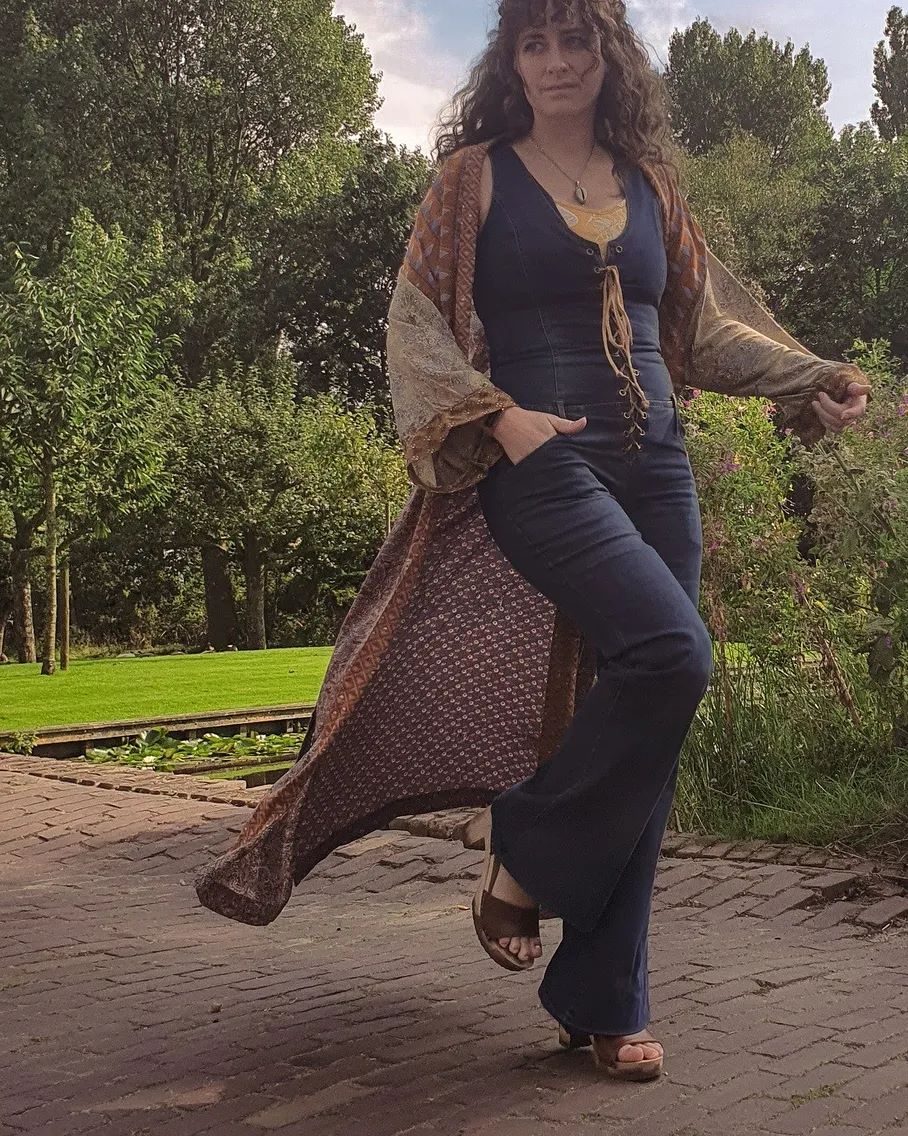
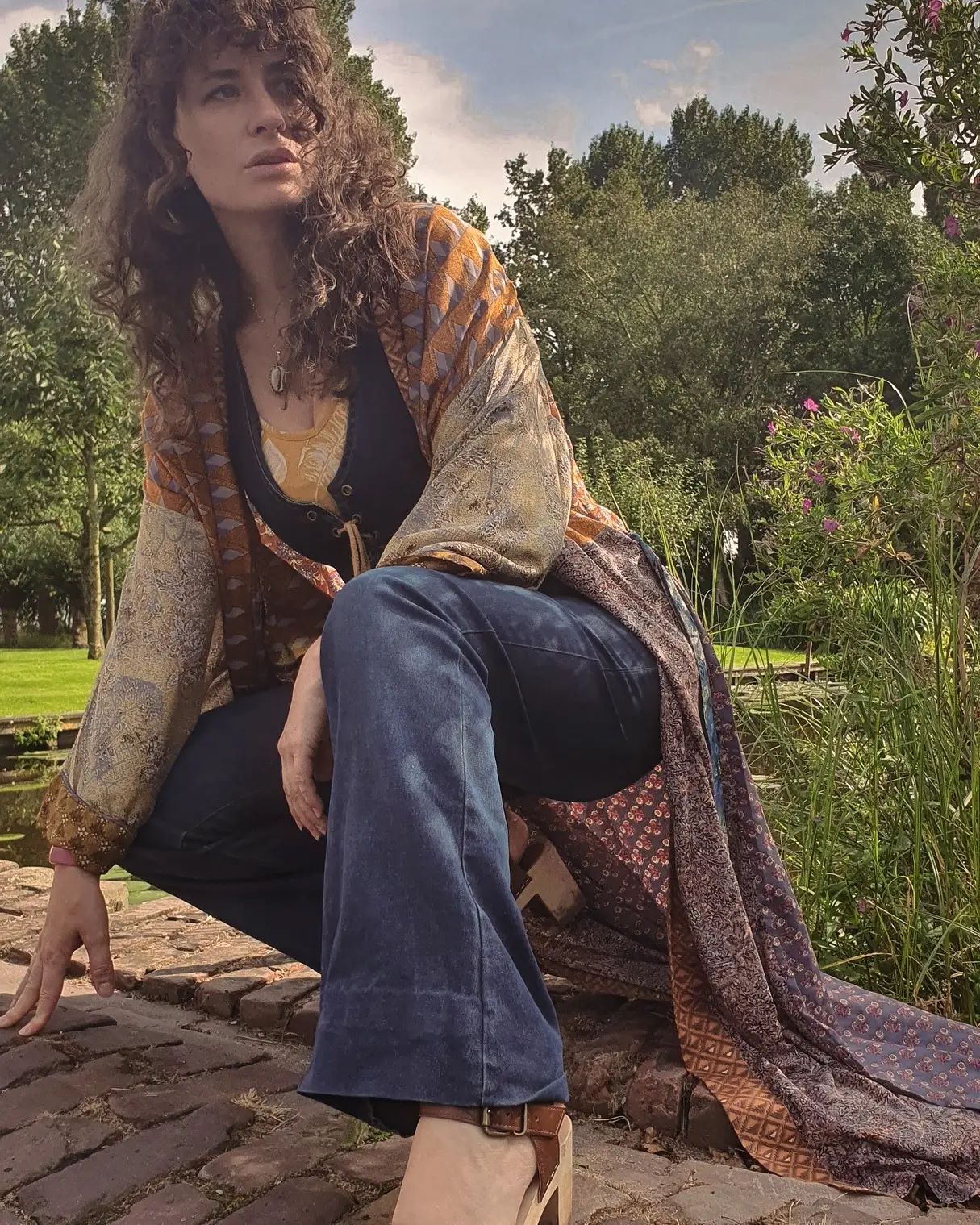 Ik werd super vrolijk van deze sustainable outfit! : Twee kledingstukken die ik deze zomer welke week wel meerdere keren draag, plus een kledingstuk die al ruim 10 jaar in de kast ligt te wachten tot het weer eens aan kon trekken. En ik had besloten dat vandaag die dag was.
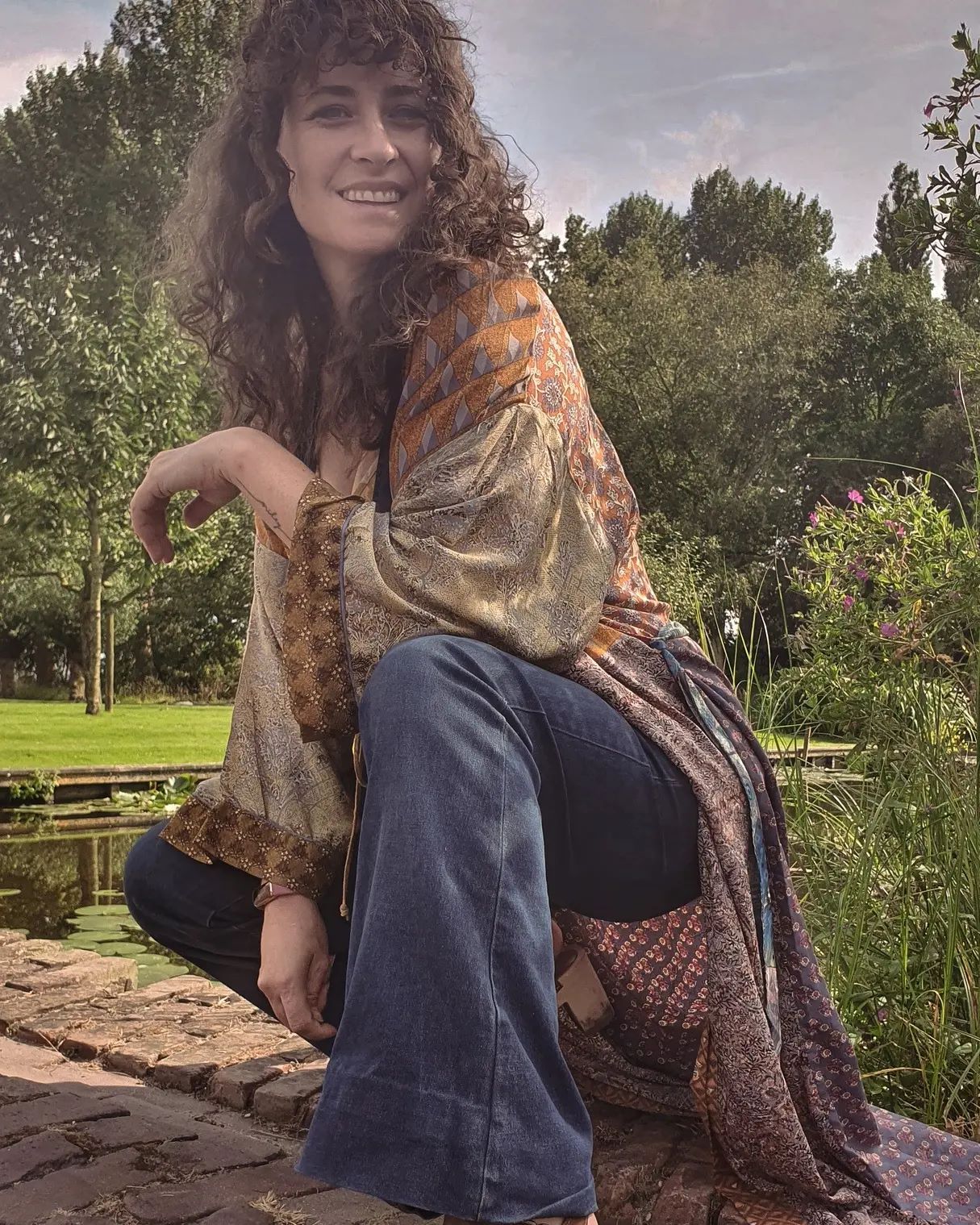
Mode is een gek dingetje. Wacht maar lang genoeg dan word het vanzelf opnieuw mode. En gelukkig had ik’m niet voor niets bewaard. Wijde pijpen zijn terug. Mode 2021 is geïnspireerd door de jaren 90, met daarin sporen van de jaren 70, met daarin sporen van de jaren 20. En ga zo maar door.
Deze jumpsuit heb ik 18 jaar geleden aangeschaft en behoorlijk stretchy dus die ging nog aan tot mijn verbazing. Wie wat bewaard heeft wat he!?
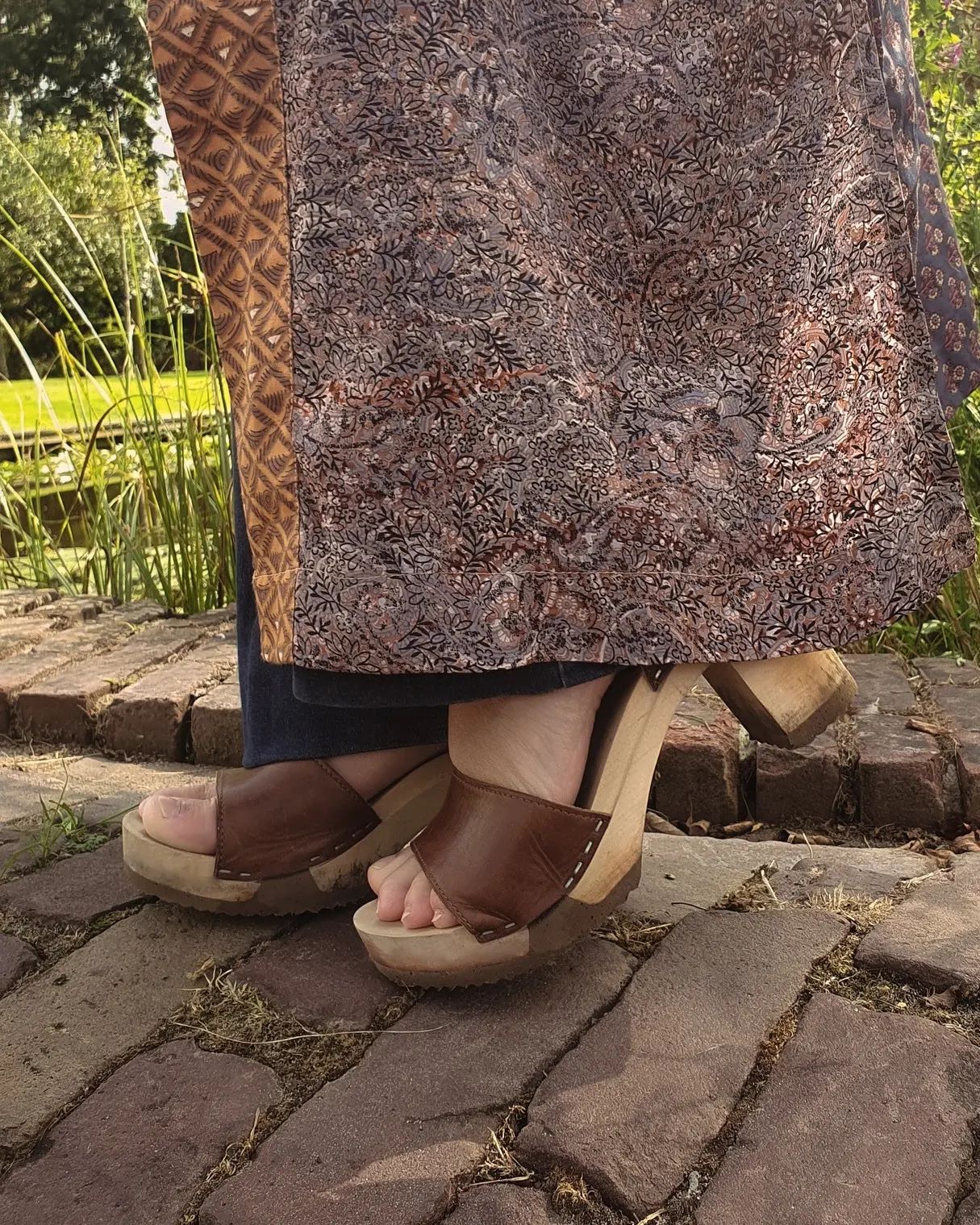
Deze heb ik serieus heel veel op gelopen deze zomer. En dat kun je zien aan de zool. Niet heel schoon meer, maar dat is dus het ultieme bewijs dat ze echt heerlijk lopen.
En mijn favo vest is natuurlijk van van maar voor wie mij langer volgt wist dat waarschijnlijk al wel inmiddels.
P.s. voor de liefhebbers: De zomercolectie van is nu in de sale met 15% korting met de code: clewoo15
Heb jij nog kleding van meer dan 10 jaar geleden in de kast liggen wachtend op een comeback!? Of ben ik de enige gek die zoiets doet!?
Fotografie: Jolanda Marti fotografie
[igp-video src=”” poster=”https://wildandboho.com/wp-content/uploads/2021/09/ik-werd-super-vrolijk-van-deze-sustainable-outfit-twee-kledingstukken-die-ik-deze-zomer-welke-week-w.jpg” size=”large”]
Meepraten over dit onderwerp kun je het beste doen op
Instagram: @wildandboho!
Laat een reactie achter onder deze post of onder de instagram post van deze blogpost.
Deze blogpost kun je hieronder terugvinden op mijn Instagram page en klik vooral op de “volg” button om op de hoogte te blijven van al mijn nieuwe blogposts!
[igp-embed url=”https://www.instagram.com/p/CThwrNcDmJU/embed/” width=”612″ height=”710″]
Deel deze blogpost
[supsystic-social-sharing id=’1′]
You might also like to read:
[related-posts-thumbnails]
sep 4, 2021
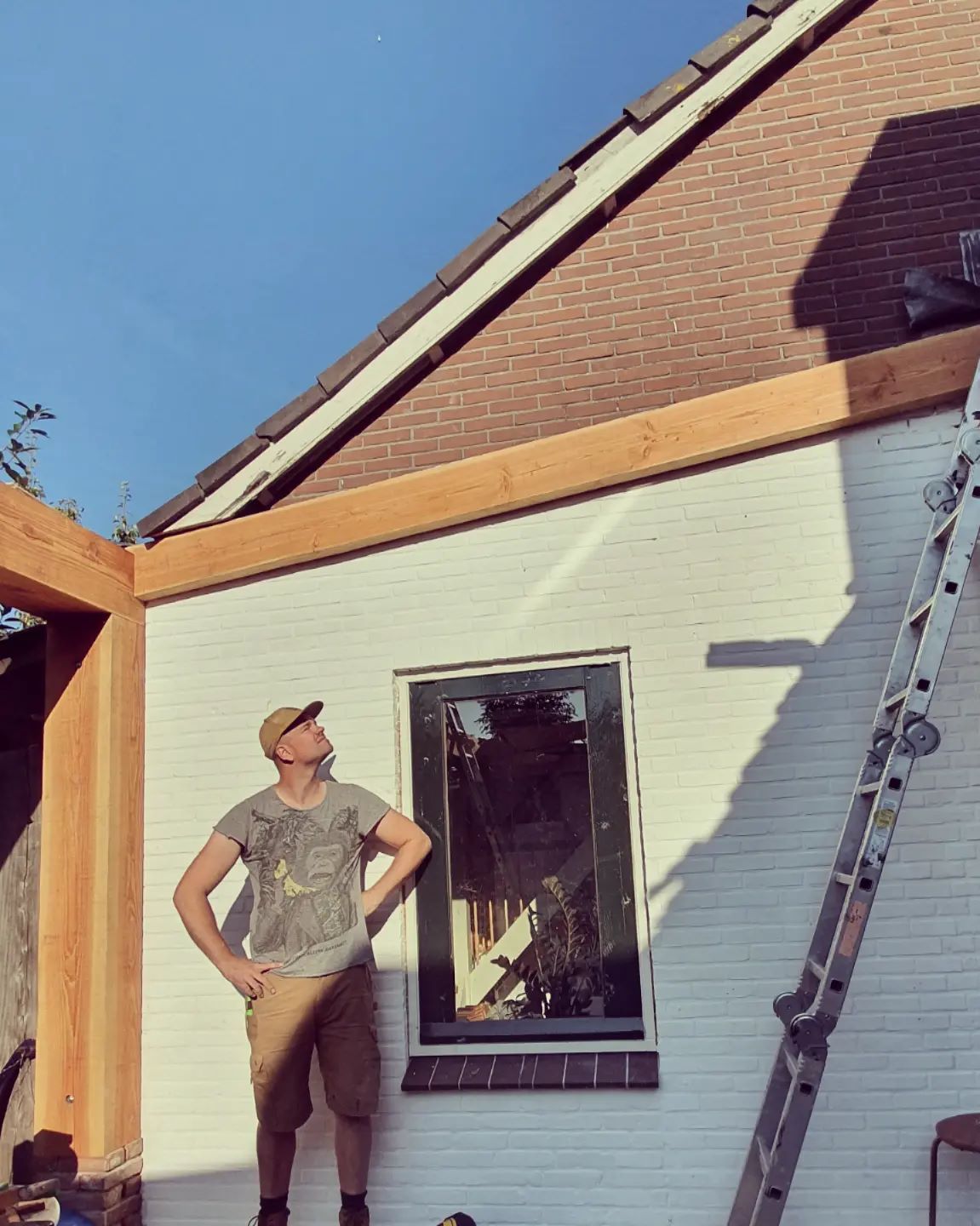
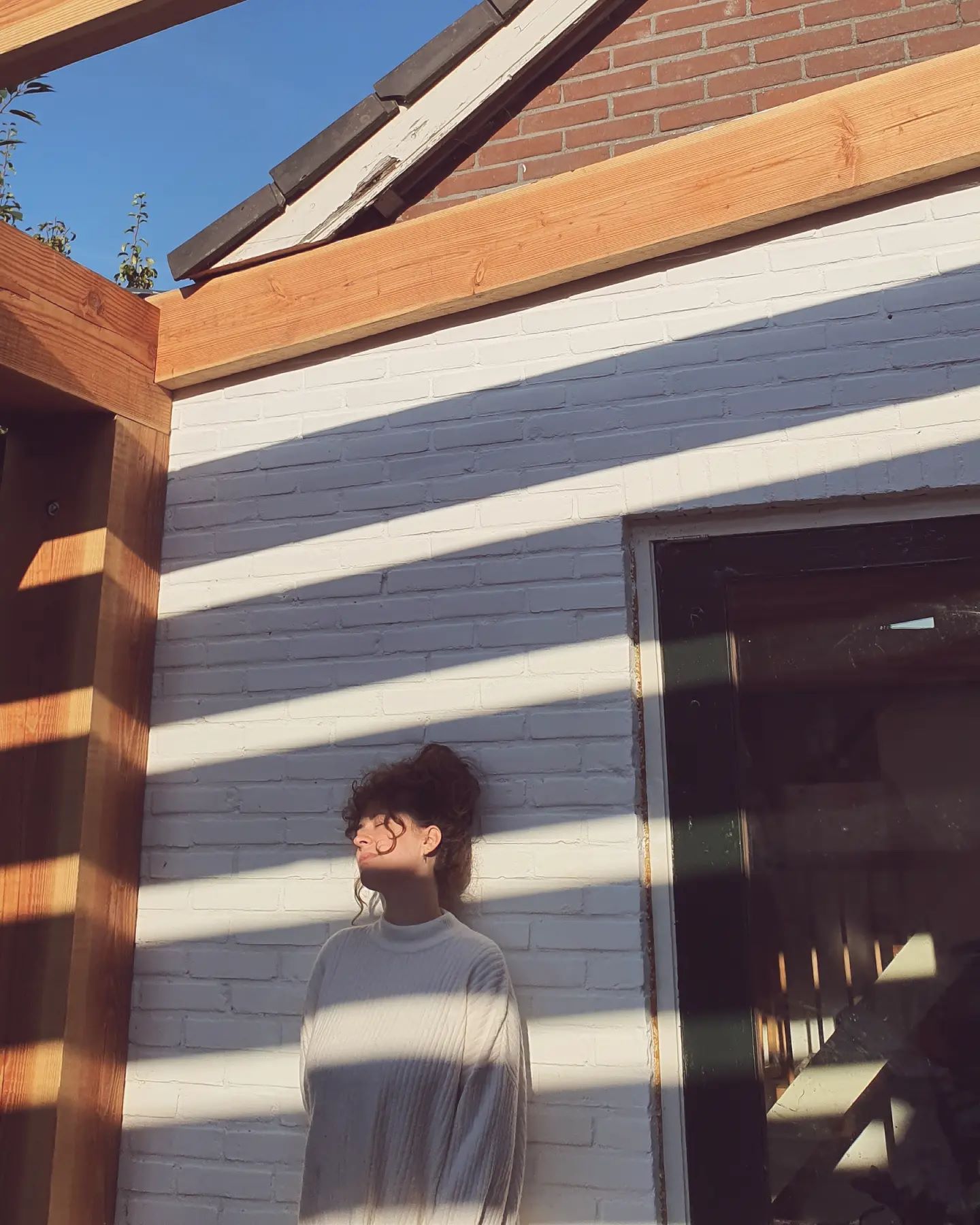 Deze plek is nu nog “buiten” maar het idee dat op de plek waar ik hier sta tegen deze witte muur straks onze vintage sofa staat van maakt mijn hart een sprongetje.
Na weken lang regen en een hele teleurstellende zomer hebben we eindelijk wat zon.
8 jaar geleden waren we hier komen wonen. 3 jaar geleden hebben we het kunnen kopen. En 1,5 jaar geleden zijn we aan dit verbouw avontuur begonnen.
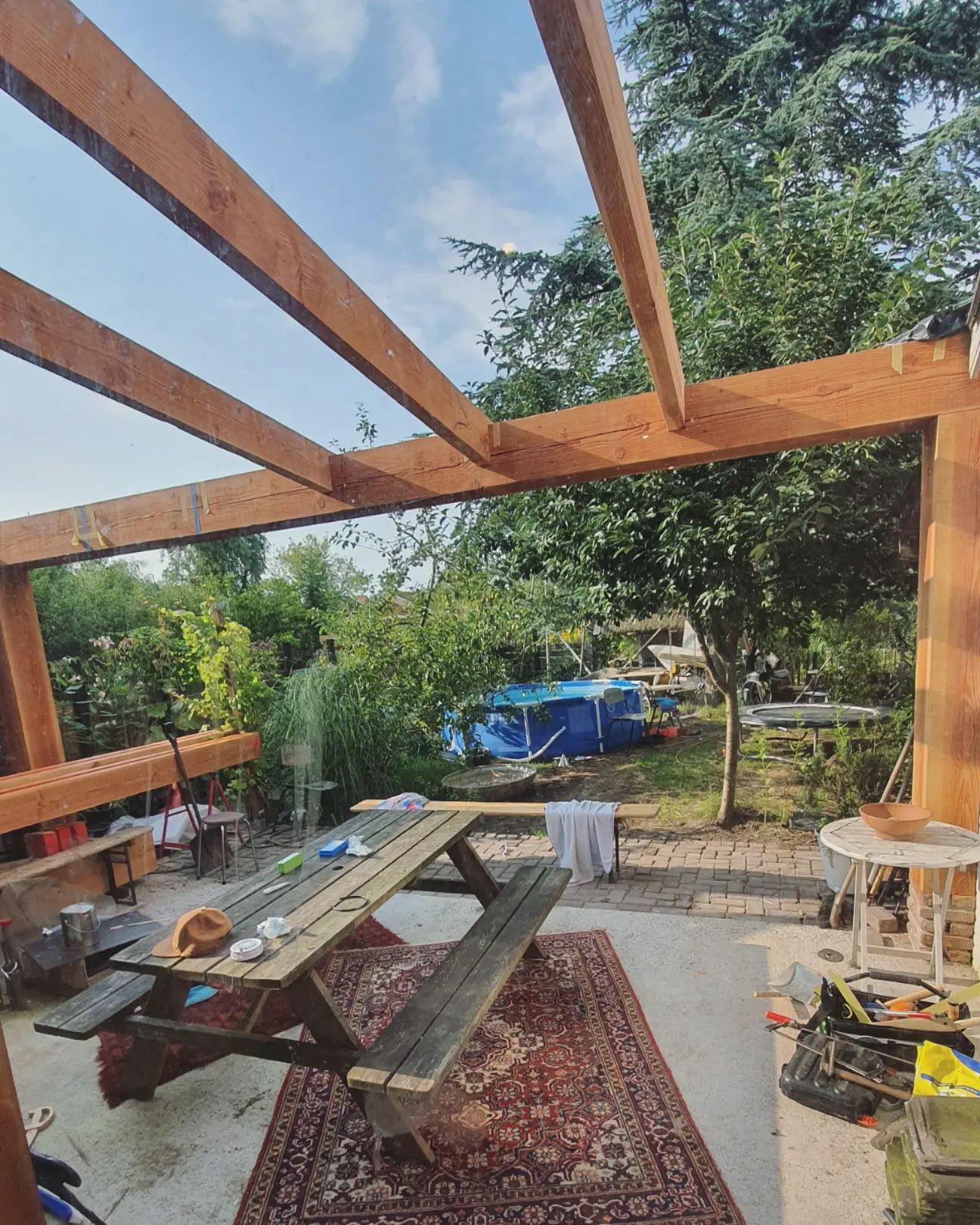
De muur heb ik vandaag alvast wit geverfd en de balken werden definitief op hun plek geplaatst. Meteen kregen we een duidelijk gevoel van hoe de ruimte ging voelen. De wand voelde “af” en straks met het glas op de balken zullen we dit schouwspel van lijnen over de muur vaker mogen aanschouwen.
Eindelijk zijn we bezig met het deel van de uitbouw die zichtbaar blijft. Geen leidingen, electra en beton storten meer. Eindelijk eindelijk eindelijk word langzaam duidelijk hoe onze plannen er in “het echtie” er uit komen te zien.
Eigelijk komt het heel erg overeen met alle schetsen en 3d impressies die we gemaakt hebben, maar om het met je eigen ogen werkelijkheid zien worden na ruim 1,5 jaar klussen geeft zo ongelooflijk veel voldoening.
Net op het moment dat je denkt dat je er niet meer tegen kan. Dat het weer met al die regen zo heftig tegen zit. Net op het moment dat je denkt: “komt er ooit een einde aan!?” Precies dan zien we het licht aan het einde van de tunnel naar ons lonken.
Oh. Yes!! Wat word het mooi.
Ik beloof mezelf plechtig: We gaan nog even knallen. En dan is het gewoon af.
En dan kunne we zeggen dat we dit zelf hebben gedaan. Hij en ik. Wij samen. En elke balk hout, elke spijker en elke druppel beton en verf hebben we bedolven met onze liefde en inspiratie voor dit huis. Ons thuis dat met ons gezin mee mag groeien.
Levering van de pui en het glaswerk voor het dak kan met alle bouwmateriaal schaarste wel even duren. Maar tot die tijd proberen we dit gevoel vast te houden. Vandaag gaf zoveel hoop. Zoveel inspiratie.
Ik ga nog even op het beton van de fundering en onder de balken liggen kijken naar de wolken die over drijven.
Adem in… adem uit… wij kunnen dit!
Laatste etappe! Let’s GO!
Fotografie: Jolanda Marti fotografie
[igp-video src=”” poster=”https://wildandboho.com/wp-content/uploads/2021/09/deze-plek-is-nu-nog-buiten-maar-het-idee-dat-op-de-plek-waar-ik-hier-sta-tegen-deze-witte-muur-strak.jpg” size=”large”]
[igp-video src=”https://wildandboho.com/wp-content/uploads/2021/09/deze-plek-is-nu-nog-buiten-maar-het-idee-dat-op-de-plek-waar-ik-hier-sta-tegen.mp4″ poster=”https://scontent-cph2-1.cdninstagram.com/v/t51.29350-15/241164363_2903640539895949_5215574651463007954_n.jpg?_nc_cat=104&ccb=1-5&_nc_sid=8ae9d6&_nc_ohc=_tMfHiKOrzoAX_QG3pZ&_nc_ht=scontent-cph2-1.cdninstagram.com&edm=ANQ71j8EAAAA&oh=e61f6e7124faebaa061de2f225a8efbe&oe=6137D61F” size=”large”]
Meepraten over dit onderwerp kun je het beste doen op
Instagram: @wildandboho!
Laat een reactie achter onder deze post of onder de instagram post van deze blogpost.
Deze blogpost kun je hieronder terugvinden op mijn Instagram page en klik vooral op de “volg” button om op de hoogte te blijven van al mijn nieuwe blogposts!
[igp-embed url=”https://www.instagram.com/p/CTadSX5jfHZ/embed/” width=”612″ height=”710″]
Deel deze blogpost
[supsystic-social-sharing id=’1′]
You might also like to read:
[related-posts-thumbnails]
aug 27, 2021
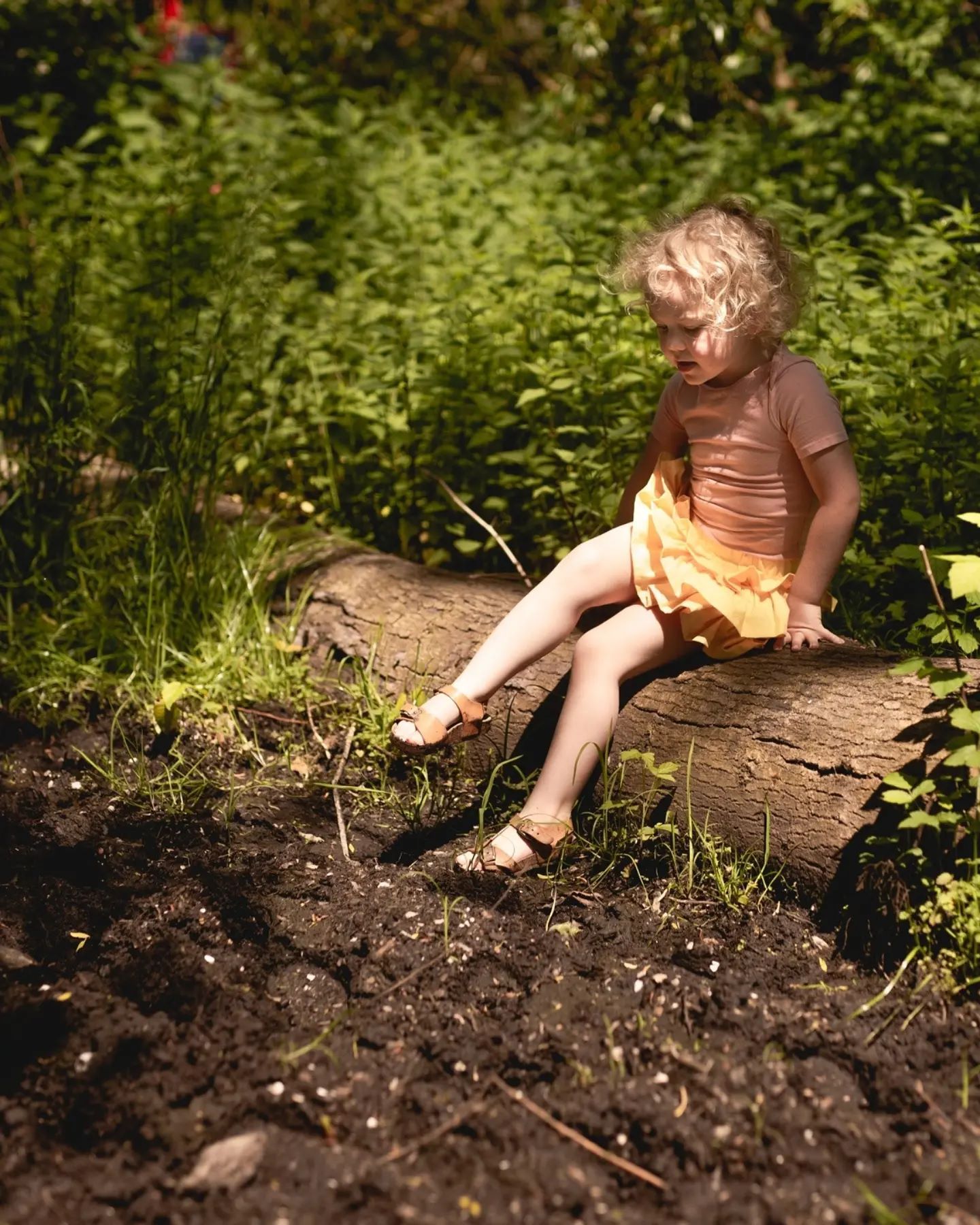
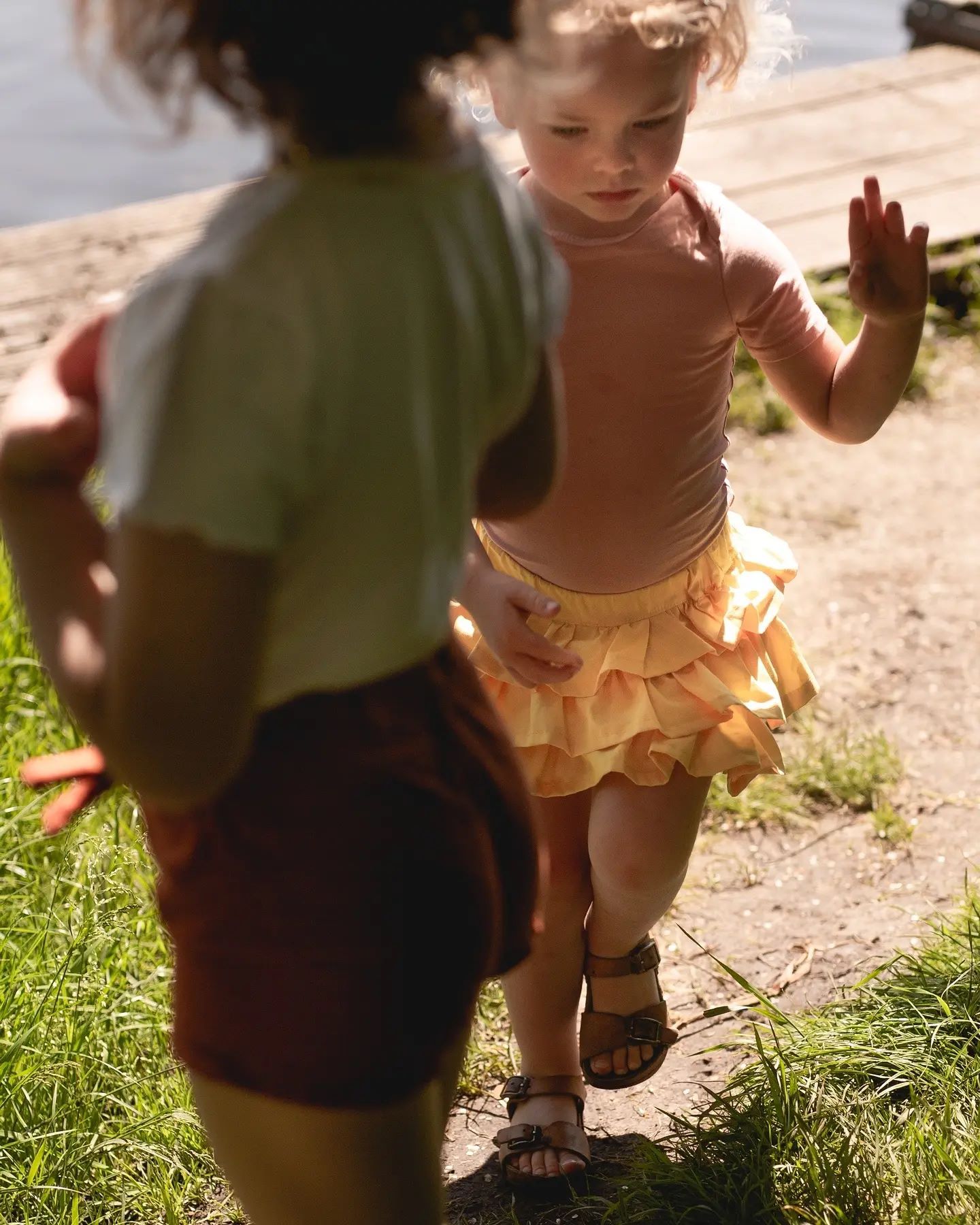
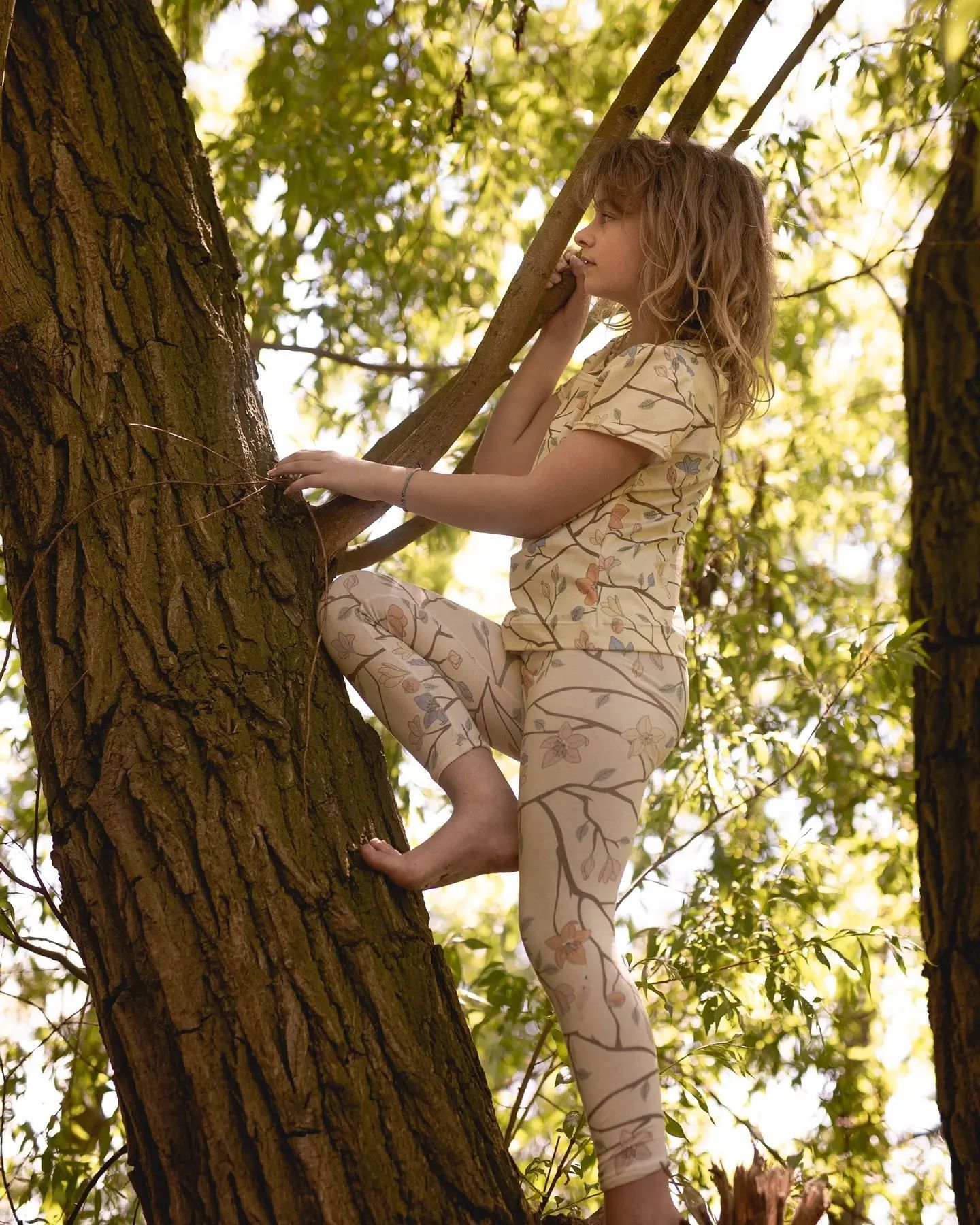 Nee. De zomer is nog lang niet voorbij. En ik weiger nu al in herfst modus te gaan. Ik ben er nog niet klaar voor. Dus we genieten van elk snipertje zon die ons gegund word. School is weer begonnen en we hebben de draad weer opgepakt.
De broodtrommels worden gemaakt. De afspraakjes worden geregeld en er word heen en weer gereden van en naar de clubjes en sportverenigingen.
Het word ook al eerder donker. Vestjes gaan aan omdat het toch best fris kan zijn en het einde van de zomer word toch steeds meer niet te ontkennen.
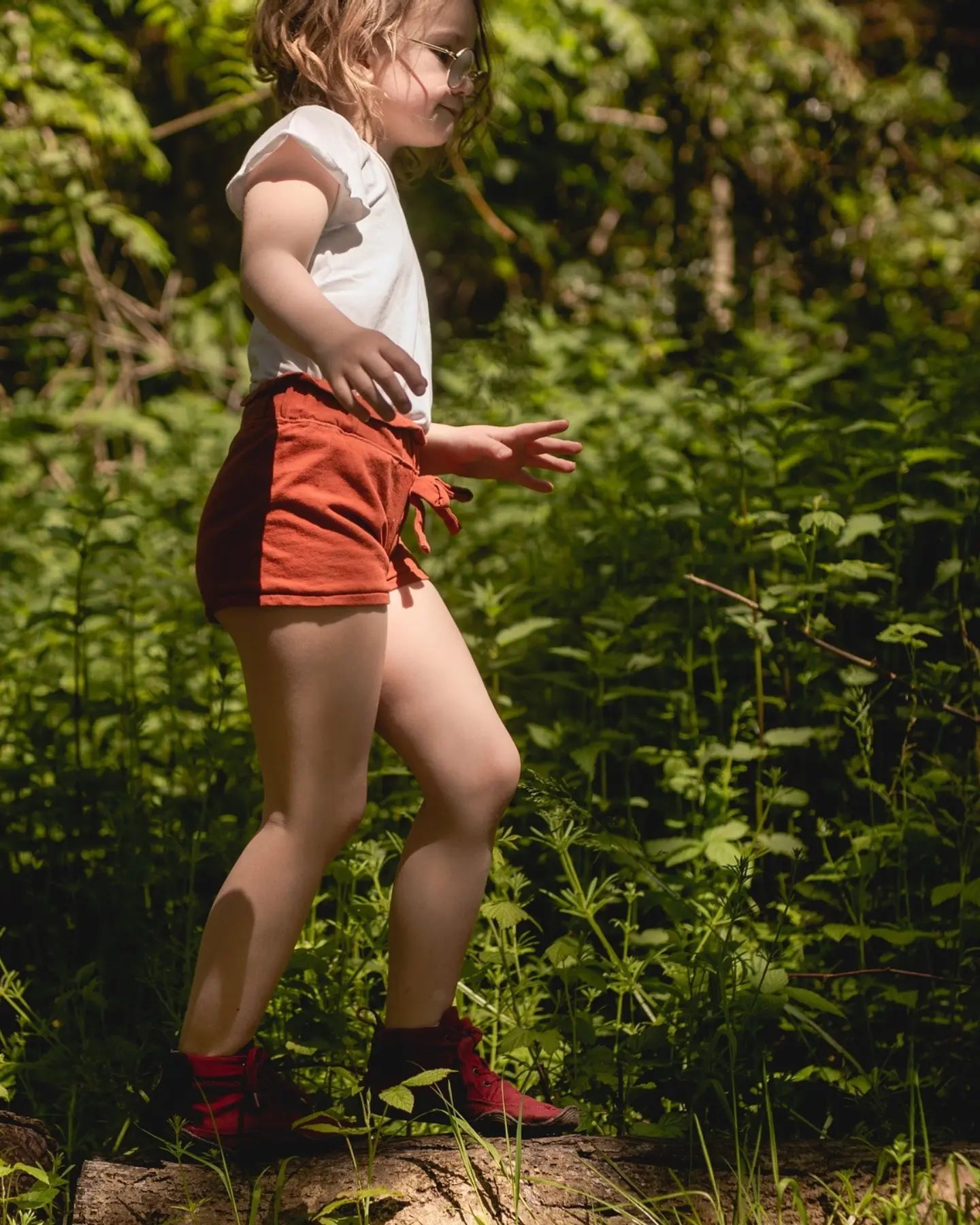
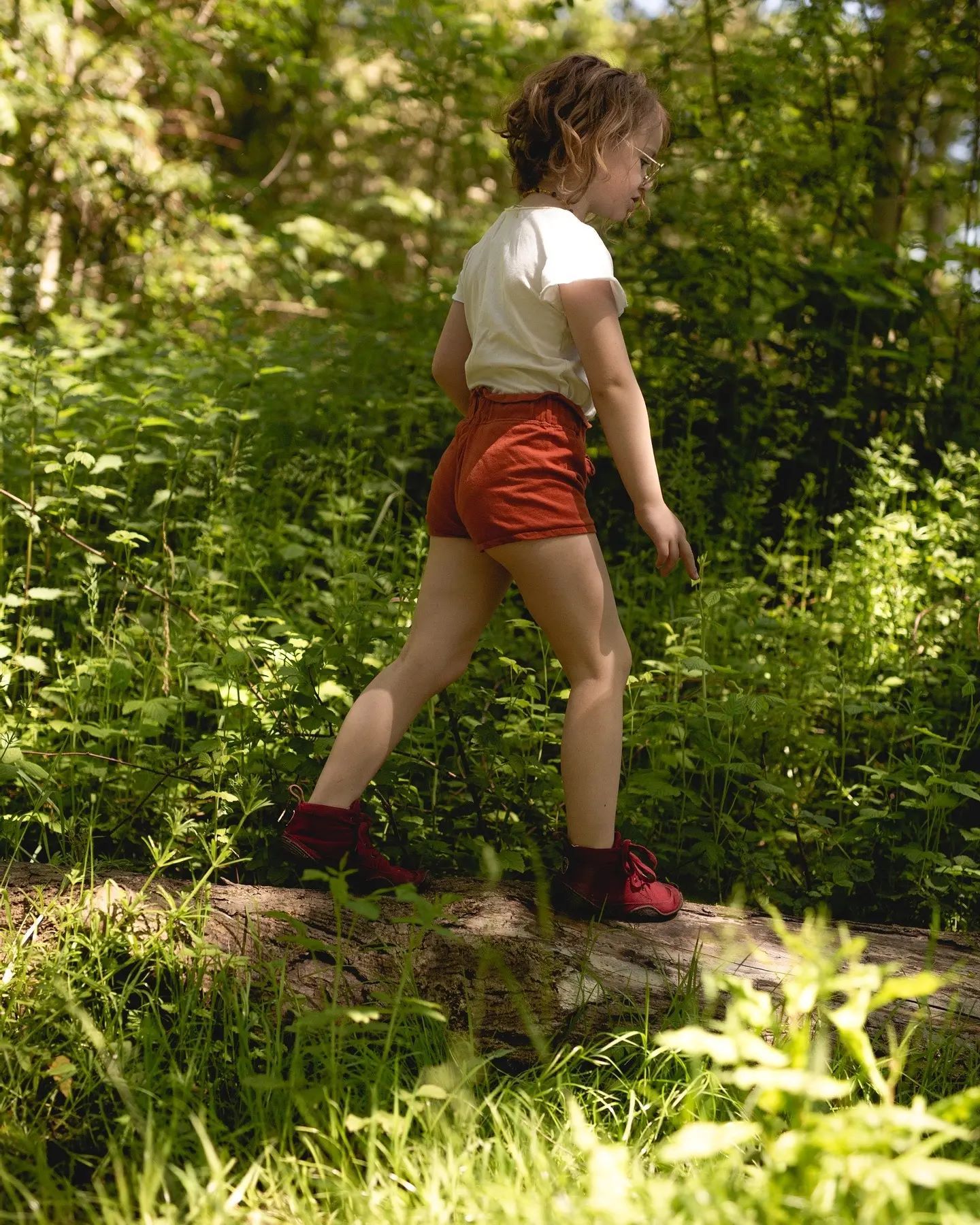
Maar laat me nog maar even… ik wil er niet aan. Ik wil het natuurgebied in om te suppen. De bossen om te wandelen. Ik wil de lage gouden zonne-uurtjes benutten met zwierige jurken en en prachtige mensen voor mijn lens. Ik wil dat het gewoon even droog blijft overdag.
En als dat niet zo is dan ga ik glashard in ontkenning en doe ik gewoon of het wel zo is. Ik ben nog niet klaar voor de herfst. Ik doe nog even een zonnedansje in de regen hier. Joe!
[igp-video src=”” poster=”https://wildandboho.com/wp-content/uploads/2021/08/nee.-de-zomer-is-nog-lang-niet-voorbij.-en-ik-weiger-nu-al-in-herfst-modus-te-gaan.-ik-ben-er-nog-ni.jpg” size=”large”]
Meepraten over dit onderwerp kun je het beste doen op
Instagram: @wildandboho!
Laat een reactie achter onder deze post of onder de instagram post van deze blogpost.
Deze blogpost kun je hieronder terugvinden op mijn Instagram page en klik vooral op de “volg” button om op de hoogte te blijven van al mijn nieuwe blogposts!
[igp-embed url=”https://www.instagram.com/p/CTFYc5jD_oh/embed/” width=”612″ height=”710″]
Deel deze blogpost
[supsystic-social-sharing id=’1′]
You might also like to read:
[related-posts-thumbnails]
aug 26, 2021
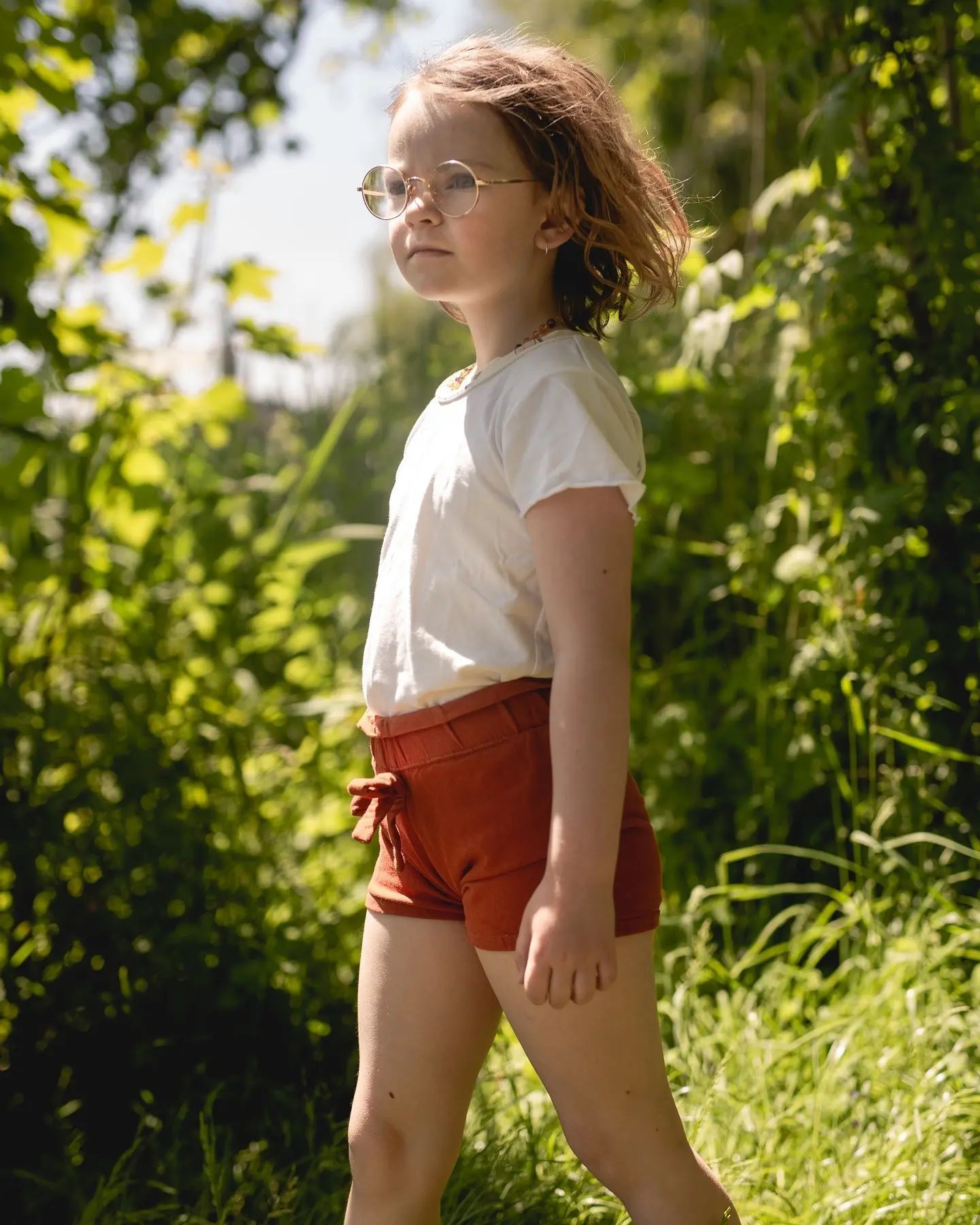
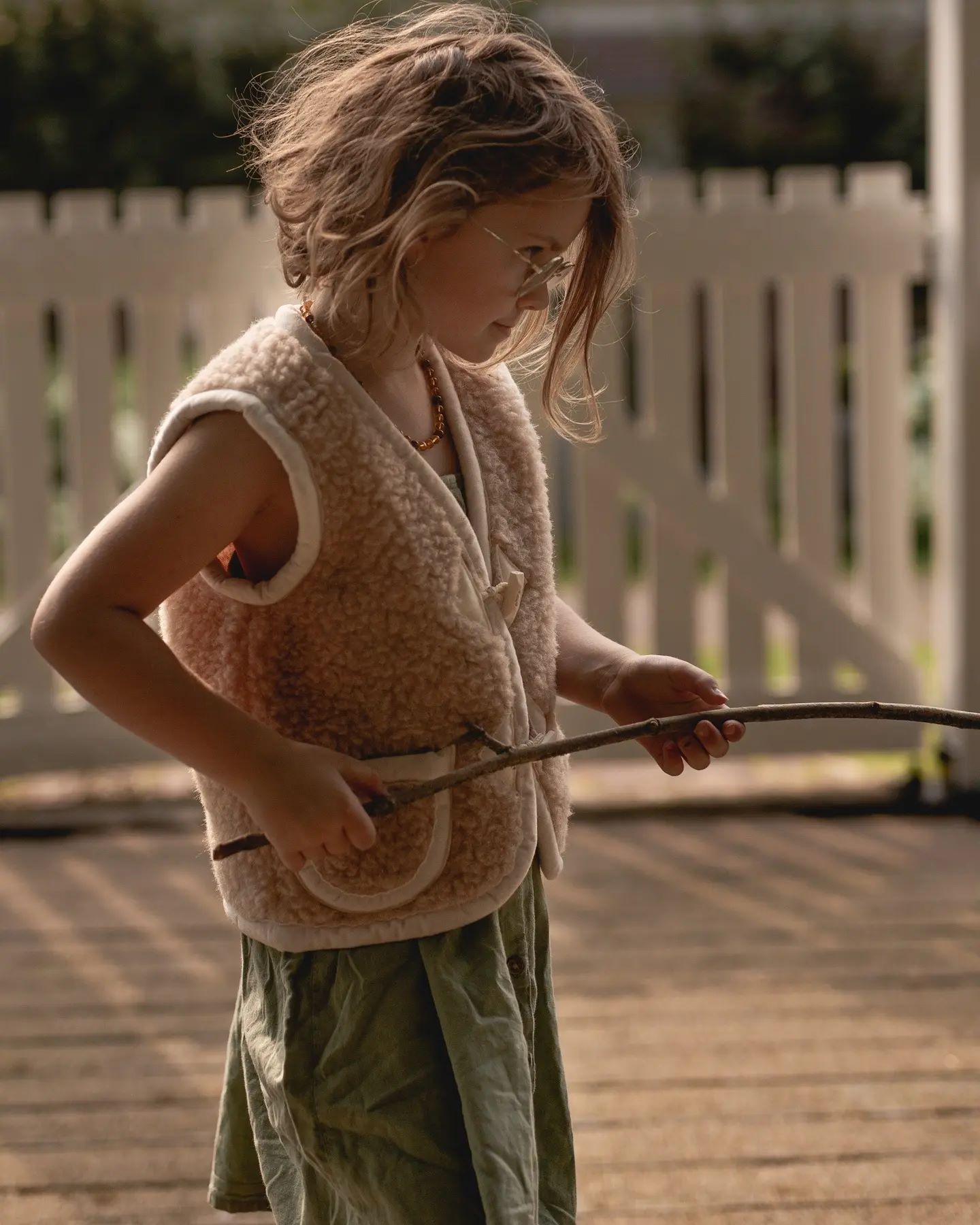
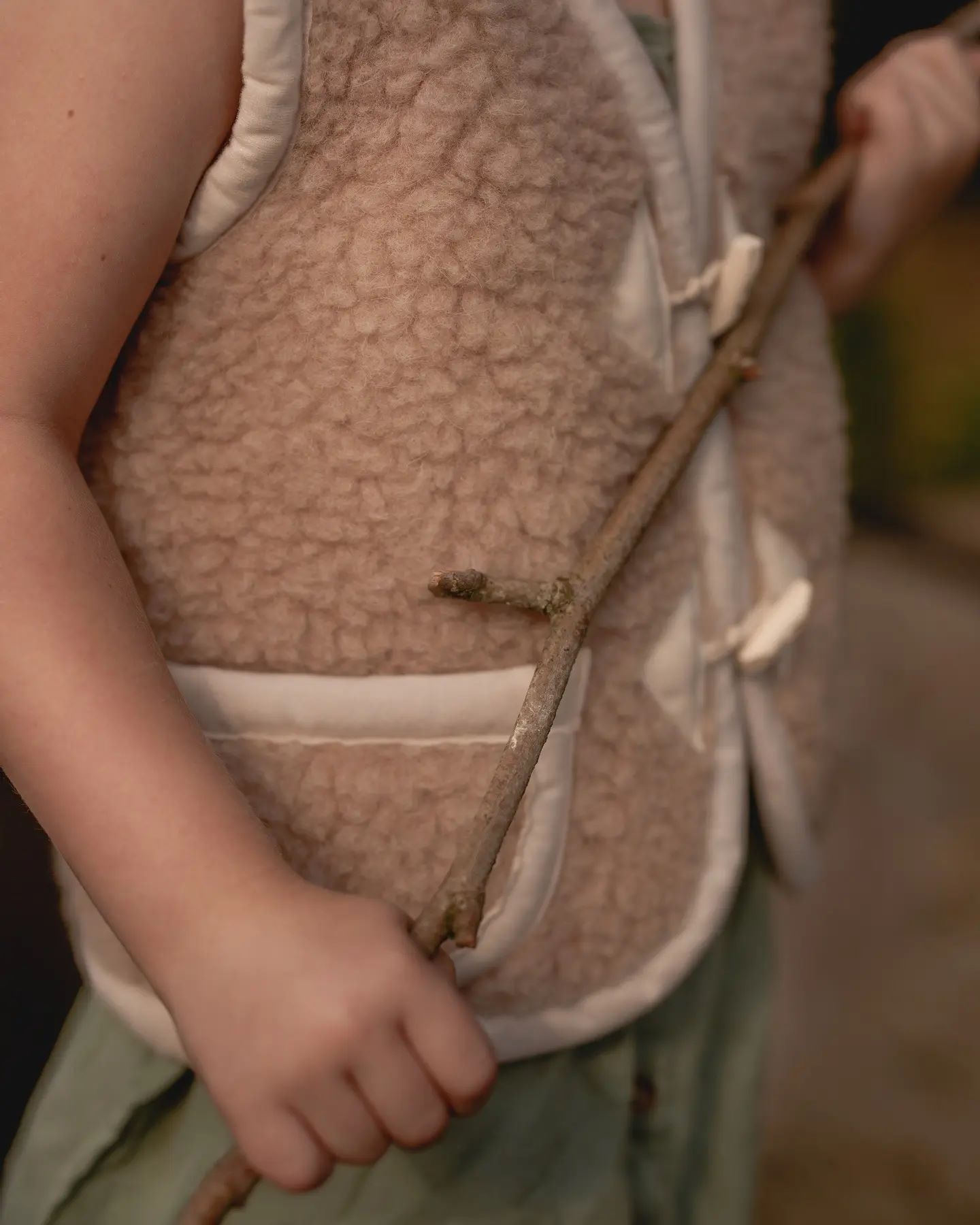
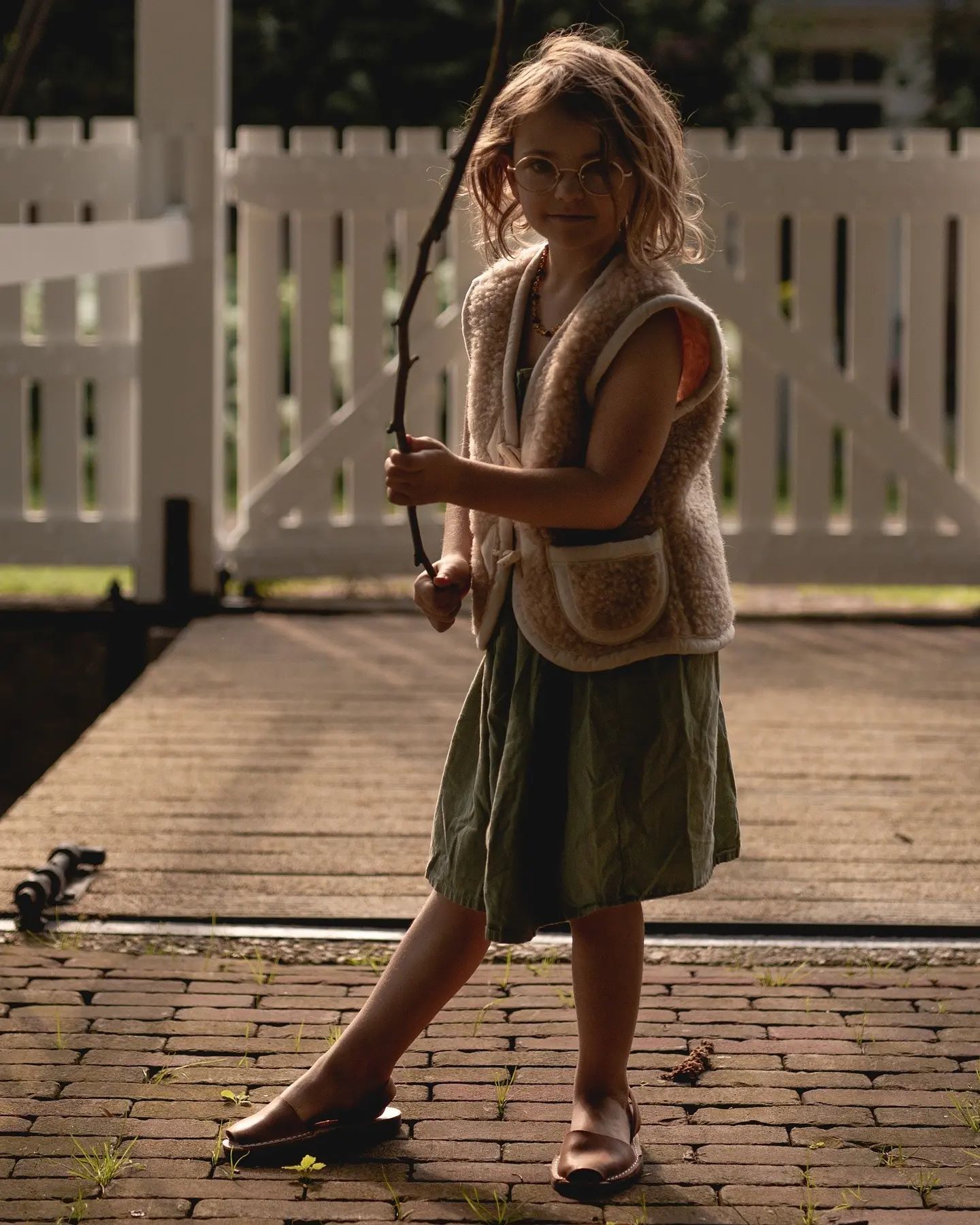
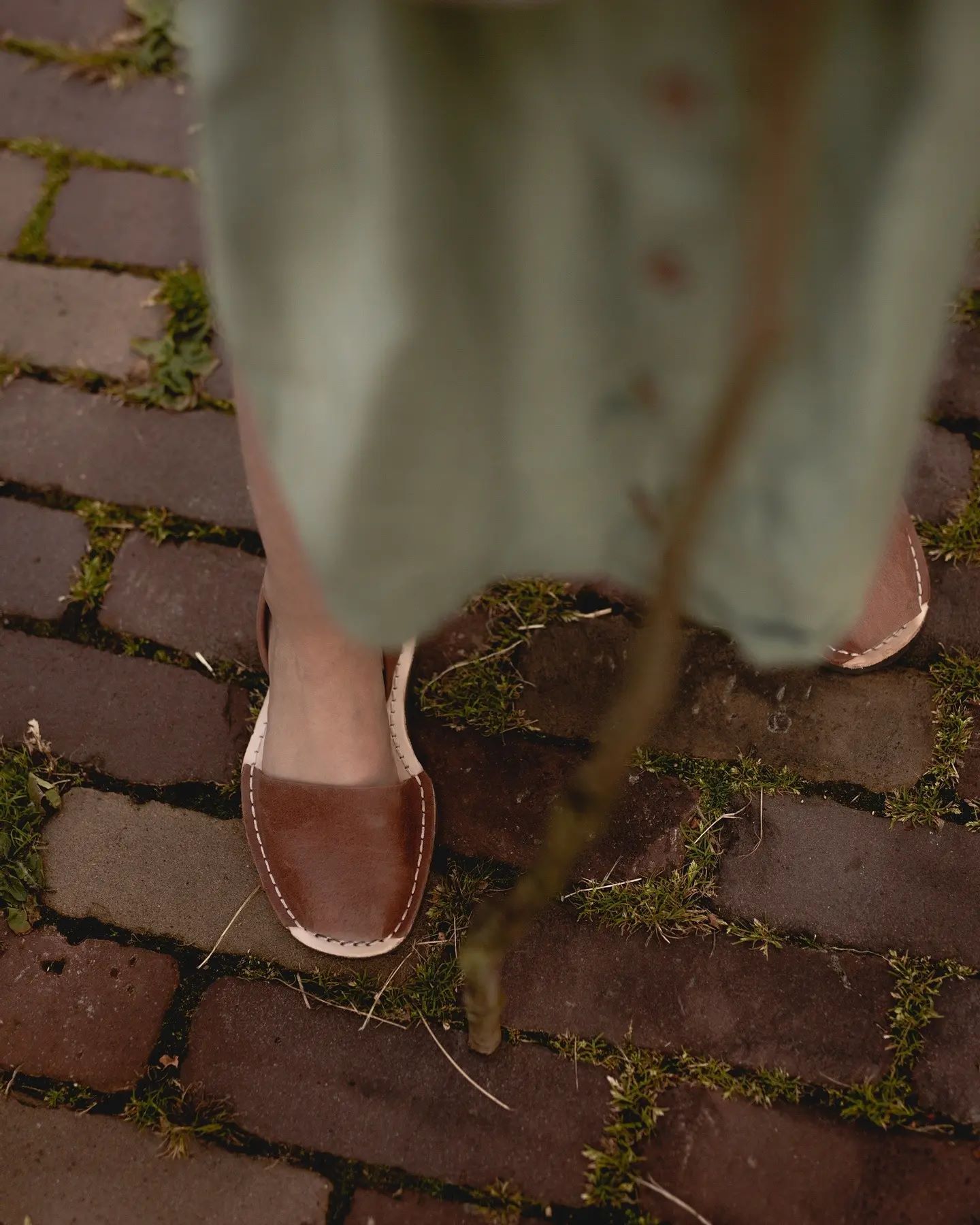
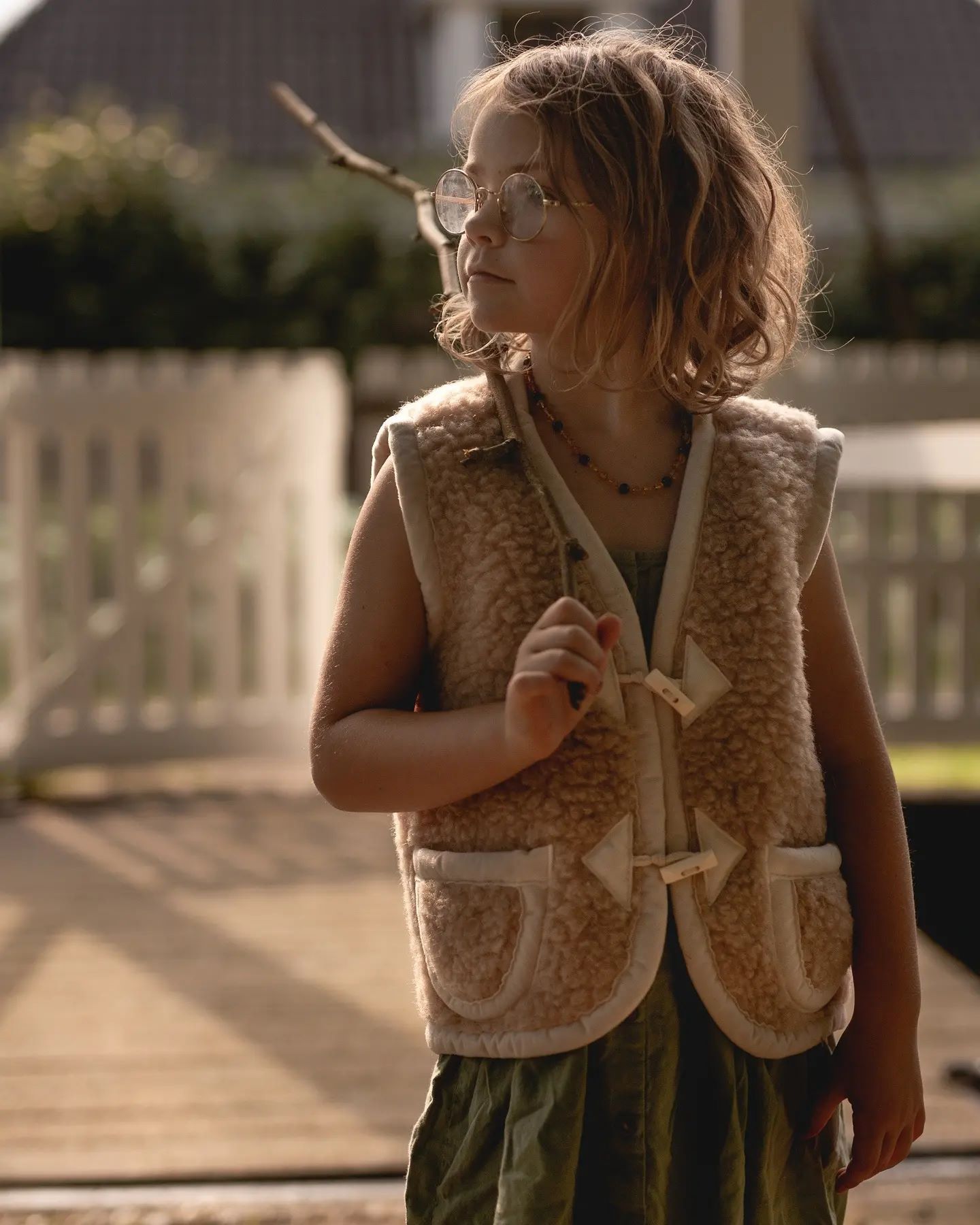
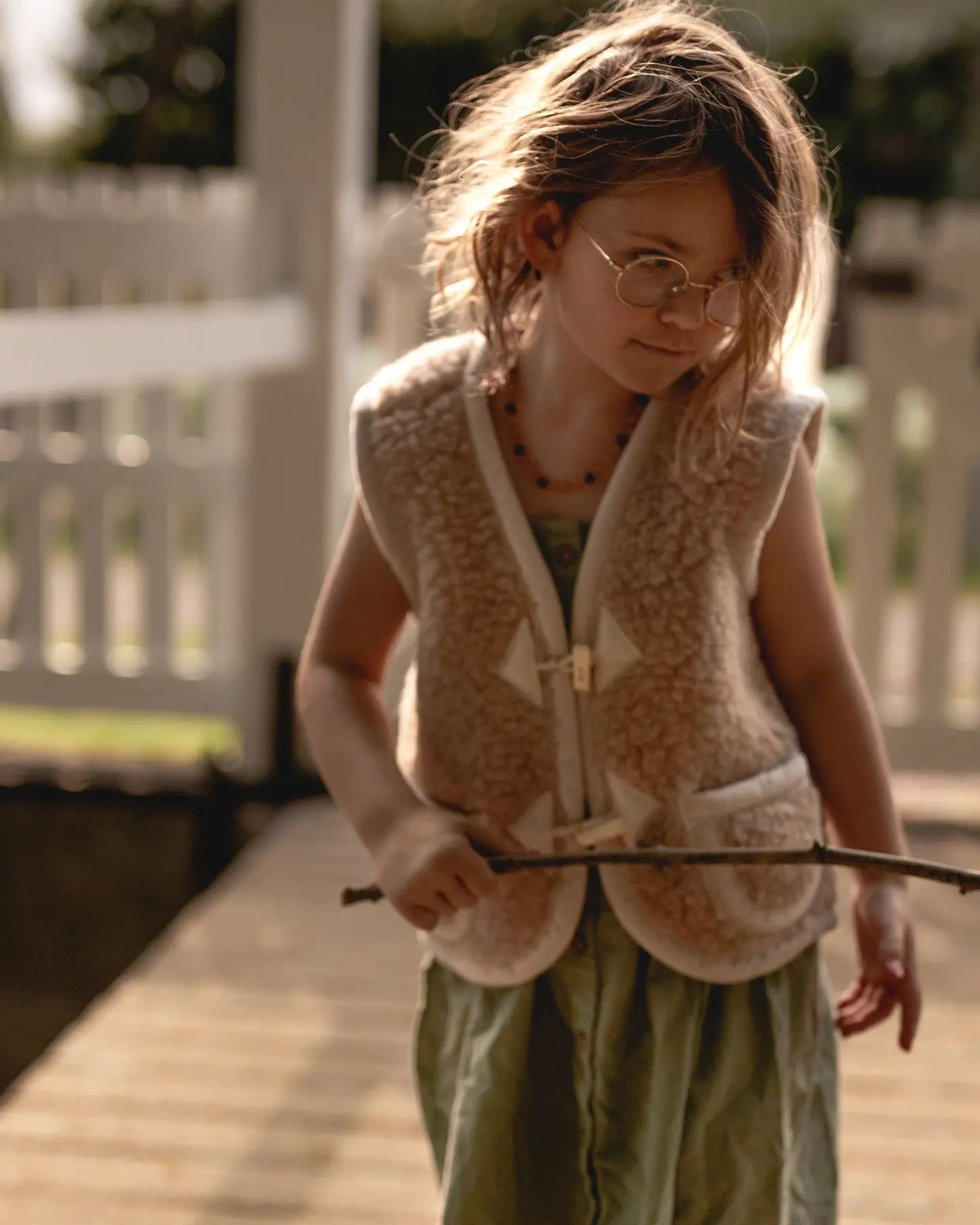 Dit is geen stok. Het is een toverstaf. En ze staat hier niet alleen op de foto. Ze staat oog in oog met haar vijand. Een verschrikkelijk mythisch monster die de wereld zal vernietigen wil het niet dat zij het monster zal stoppen kosten wat het kost.
Er klinkt een spreuk. Een lichtgevende straal die ze als een witte bliksemschicht op haar vijand af schiet. Hij word geraakt, staat stil en komt niet dichterbij. Balancerend op het randje van de brug staat hij als genageld, haar vernietigend aan te kijken. Hij wil nog wat hatelijks naar haar roepen maar met het puntje van haar toverstaf geeft ze hem het laatste zetje van de brug af “doei” en PLONS in het water! Hij is verslagen.
Trots en vol zelfvertrouwen staat ze daar op de brug.
Wat een show. Eerlijk gezegd wilde ik even een leuke foto maken op de brug van haar leuke outfit die ze zelf had uitgekozen. Maar dit was echt zoveel veel beter. Wat een show.
[igp-video src=”” poster=”https://wildandboho.com/wp-content/uploads/2021/08/dit-is-geen-stok.-het-is-een-toverstaf.-en-ze-staat-hier-niet-alleen-op-de-foto.-ze-staat-oog-in-oog.jpg” size=”large”]
Meepraten over dit onderwerp kun je het beste doen op
Instagram: @wildandboho!
Laat een reactie achter onder deze post of onder de instagram post van deze blogpost.
Deze blogpost kun je hieronder terugvinden op mijn Instagram page en klik vooral op de “volg” button om op de hoogte te blijven van al mijn nieuwe blogposts!
[igp-embed url=”https://www.instagram.com/p/CTCOIK3jHDH/embed/” width=”612″ height=”710″]
Deel deze blogpost
[supsystic-social-sharing id=’1′]
You might also like to read:
[related-posts-thumbnails]